

No products
broccoli seeds
-
Semi ortaggi
-
Summer vegetables seeds
- Garlic seeds
- Watermelon seeds
- Asparagus seeds
- Chili seeds
- Beet seeds
- Basil seeds
- Chard seeds
- Cabbage seeds
- Onion seeds
- Carrot seeds
- artichoke seeds
- Cucumber seeds
- Strawberry seeds
- Bean and green bean seeds
- Broad bean seeds
- Lettuce seeds
- Corn seed
- Eggplant seeds
- Melon seeds
- Okra seeds
- Tomato seeds
- Pea seeds
- Leek seeds
- Pepper seeds
- Radish seeds
- Arugula seeds
- Shallot seeds
- Celery seeds
- Spinach seeds
- Valerian seeds
- Pumpkin seeds
- Courgette seeds
-
Winter vegetables seeds
- broccoli seeds
- cauliflower seeds
- semi di cavolo
- fennel seeds
- Semi di lattuga
- chicory seeds
- Radicchio seeds
- Rocket seeds
- Chard and Beet Seeds
- Escarole Seeds
- Onion Seeds
- Basil Seeds
- Chard Seeds
- Artichoke Seeds
- Carrot Seeds
- Cucumber Seeds
- Bean Seeds
- Endive Seeds
- Leek Seeds
- Parsley Seeds
- Celery Seeds
- Spinach Seeds
- Valerian Seeds
-
Summer vegetables seeds
- Peperoncino secco
- Peperoncino in polvere
- Semi piante aromatiche
- Prati e tappeti erbosi
- Semi fiori ornamentali
- Fertilizzanti
- Fertilizzante solido
- Spezie
- eBook
- Bulbi
- Starter kit / Micro orto
- Idea regalo / Bomboniere
- Patate e tuberi da semina
- Buoni regalo digitali
- TEST posizioni
 View larger

Roman Broccoli Cornelio Seeds
New product
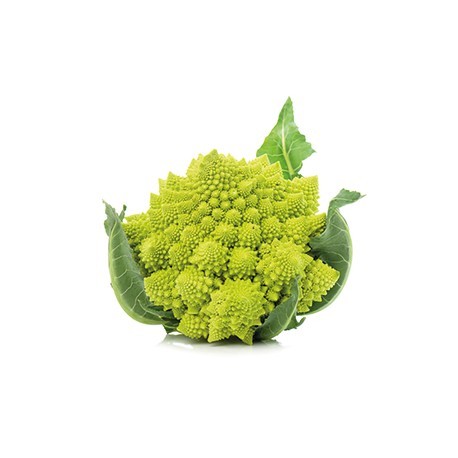
Roman broccoli Cornelio, a plant with an unmistakable pyramidal shape and seeds of very high quality, boasts bright green pigmentation and large leaves at the base. This variety is very early and adapts to any soil and low temperatures.
100 Items
More info
- Roman broccoli Cornelio seeds
- The Roman broccoli Cornelio plant
- How to sow Roman broccoli Cornelio
- How to grow Roman broccoli Cornelio
- Tips for growing Roman broccoli Cornelio
- Diseases and pests of Roman broccoli Cornelio
- Properties of Roman broccoli Cornelio
- Nutritional values of Roman broccoli Cornelio (per 100 g)
Roman broccoli Cornelio seeds
As mentioned, Cornelio broccoli stands out for its unmistakable pyramidal shape and for seeds of very high quality, ensuring regular and even germination. Roman broccoli, also called romanesco, is the typical Lazio variety of the large Brassica oleracea family, the same one as cabbage and savoy cabbage. What is eaten from this plant is its characteristic fractal-shaped inflorescence, harvested while still slightly immature, one of the most striking and recognizable vegetables in the Italian garden.
The Roman broccoli Cornelio plant
Its botanical name is Brassica oleracea var. italica, belonging to the Cruciferae family (Brassicaceae). As mentioned, the Cornelio variety stands out above all for its earliness: it is indeed one of the fastest among Roman broccoli varieties, adapting well to any type of soil and tolerating even lower temperatures without issue.
The plant has large, bright green leaves at its base, which protect and support the development of the central inflorescence, which retains the classic spiral pyramidal shape typical of romanesco.
How to sow Roman broccoli Cornelio
Thanks to its earliness, Cornelio can be sown slightly later than other varieties, generally between July and August, burying the seeds about half a centimeter deep in soft, well-drained soil. Transplanting into open ground happens once the seedlings have developed 4-5 true leaves, keeping a spacing of about 50-60 centimeters between plants.
How to grow Roman broccoli Cornelio
This variety adapts well to different soil types, although it prefers a fertile, organically rich, well-drained substrate. Watering should be regular, avoiding waterlogging. Thanks to its hardiness and good cold tolerance, Cornelio is particularly well suited to late-autumn or winter crops in colder climates.
Harvest should take place while the inflorescence is still compact and tightly closed, before the individual flower buds become visible. Thanks to this variety's fast development, the time between sowing and harvest is generally shorter than with other Roman broccoli cultivars.
Tips for growing Roman broccoli Cornelio
Given its good tolerance to low temperatures, Cornelio is an ideal choice for those who want to extend the garden season into the colder months. It is still advisable to protect freshly transplanted seedlings with garden fleece during the first few weeks, to help them establish well.
Diseases and pests of Roman broccoli Cornelio
Like all Cruciferae, Cornelio can also be attacked by cabbage white caterpillars and cutworms, green larvae that can be controlled with Bacillus thuringiensis treatments. Whitefly and aphids are other common pests: natural garlic or nettle macerates, applied regularly to the foliage, are effective at keeping the latter away.
Properties of Roman broccoli Cornelio
Cornelio Roman broccoli retains all the beneficial properties typical of this vegetable: a high content of vitamin C, fiber and antioxidant compounds, with a good supply of calcium and potassium. Its low calorie content combined with a notable satiating effect makes it ideal for a balanced diet, in addition to being extremely versatile in the kitchen, whether boiled, sauteed or oven-gratinated.
Nutritional values of Roman broccoli Cornelio (per 100 g)
- Calories: 28 kcal
- Protein: 2.9 g
- Fat: 0.4 g
- Carbohydrates: 3.5 g
- Fiber: 2.5 g
- Vitamin C: 65 mg
- Potassium: 340 mg