

No products
broccoli seeds
-
Semi ortaggi
-
Summer vegetables seeds
- Garlic seeds
- Watermelon seeds
- Asparagus seeds
- Chili seeds
- Beet seeds
- Basil seeds
- Chard seeds
- Cabbage seeds
- Onion seeds
- Carrot seeds
- artichoke seeds
- Cucumber seeds
- Strawberry seeds
- Bean and green bean seeds
- Broad bean seeds
- Lettuce seeds
- Corn seed
- Eggplant seeds
- Melon seeds
- Okra seeds
- Tomato seeds
- Pea seeds
- Leek seeds
- Pepper seeds
- Radish seeds
- Arugula seeds
- Shallot seeds
- Celery seeds
- Spinach seeds
- Valerian seeds
- Pumpkin seeds
- Courgette seeds
-
Winter vegetables seeds
- broccoli seeds
- cauliflower seeds
- semi di cavolo
- fennel seeds
- Semi di lattuga
- chicory seeds
- Radicchio seeds
- Rocket seeds
- Chard and Beet Seeds
- Escarole Seeds
- Onion Seeds
- Basil Seeds
- Chard Seeds
- Artichoke Seeds
- Carrot Seeds
- Cucumber Seeds
- Bean Seeds
- Endive Seeds
- Leek Seeds
- Parsley Seeds
- Celery Seeds
- Spinach Seeds
- Valerian Seeds
-
Summer vegetables seeds
- Peperoncino secco
- Peperoncino in polvere
- Semi piante aromatiche
- Prati e tappeti erbosi
- Semi fiori ornamentali
- Fertilizzanti
- Fertilizzante solido
- Spezie
- eBook
- Bulbi
- Starter kit / Micro orto
- Idea regalo / Bomboniere
- Patate e tuberi da semina
- Buoni regalo digitali
- TEST posizioni
 View larger
Roman Broccoli Gitano Seeds
New product
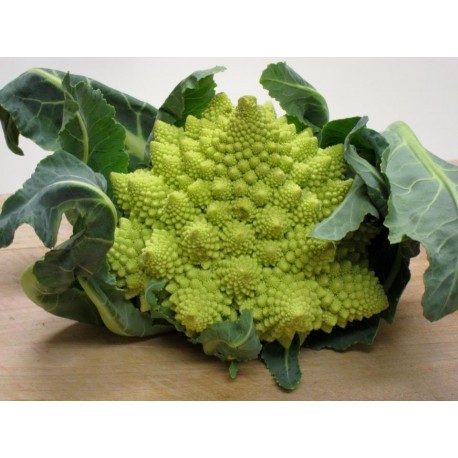
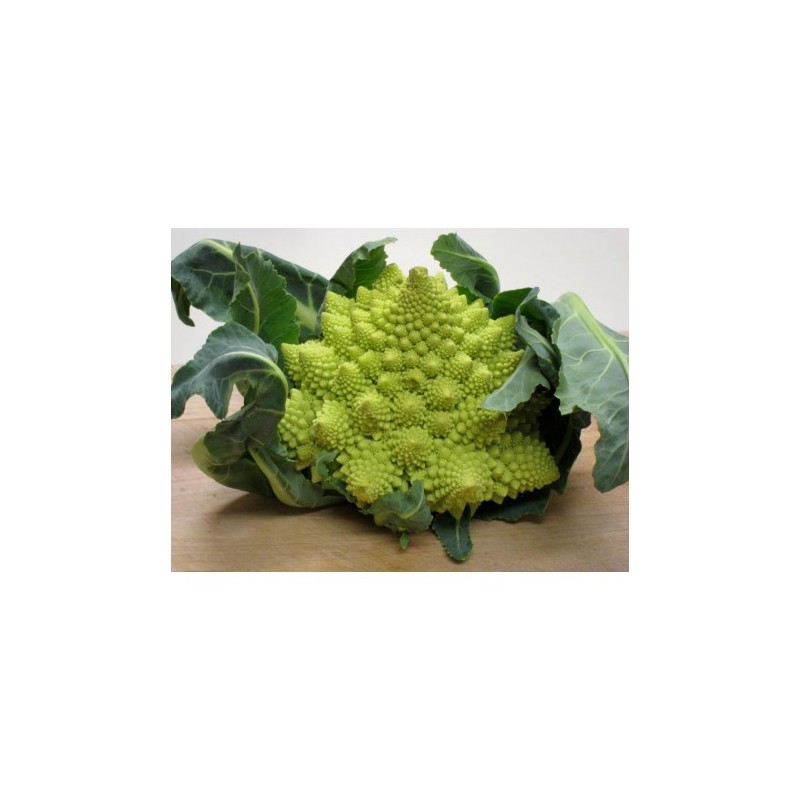
The Roman broccoli Gitano plant is productive and produces large heads, able to weigh up to 1 kg. Unlike other varieties, this one does not give off a bad smell when cooked.
100 Items
More info
- Roman broccoli Gitano
- The Roman broccoli Gitano plant
- How to sow Roman broccoli Gitano
- How to grow Roman broccoli Gitano
- Tips for growing Roman broccoli Gitano
- Diseases and pests of Roman broccoli Gitano
- Properties of Roman broccoli Gitano
- Nutritional values of Roman broccoli Gitano (per 100 g)
Roman broccoli Gitano
Roman broccoli Gitano is a moderately vigorous plant capable of producing large heads, which can weigh up to 1 kilogram each. Roman broccoli, also called romanesco, is the typical variety of the Lazio countryside within the large Brassica oleracea family, the same one as cabbage and savoy cabbage. What is eaten from this plant is its characteristic pyramid-shaped inflorescence, harvested while still slightly immature, one of the most striking vegetables in the Italian garden.
The Roman broccoli Gitano plant
Its botanical name is Brassica oleracea var. italica, belonging to the Cruciferae family (Brassicaceae). The Gitano variety produces deep green heads, rich in spirals arranged according to the characteristic geometric sequence of romanesco, and is also known for good resistance to powdery mildew and fair cold tolerance. Unlike other varieties, this broccoli has a much appreciated trait: during cooking it does not give off the pungent smell typical of other Cruciferae.
Maturation takes about 100-110 days from field transplanting, a medium-late cycle that places Gitano among the more balanced varieties in terms of harvest timing.
How to sow Roman broccoli Gitano
Sowing generally happens in seed trays, burying the seeds about half a centimeter deep in soft, well-drained soil. Transplanting into open ground takes place once the seedlings have developed 4-5 true leaves, keeping a spacing of at least 50-60 centimeters between plants, given the vigour and generous size this variety can reach.
How to grow Roman broccoli Gitano
Gitano broccoli prefers fertile, loose, well-drained soil in a sunny position. Watering should be regular and consistent, avoiding waterlogging. Fertilizing with well-rotted manure or homemade compost, applied before planting and not too deeply (given the plant's shallow root system), supports the optimal development of the large heads typical of this variety.
Harvest is done by removing the whole head with a sharp knife while the inflorescence is still compact: once the main head is cut, romanesco broccoli no longer produces new side shoots, so it is worth planning harvest timing carefully.
Tips for growing Roman broccoli Gitano
Given the considerable size the heads can reach, it is important to ensure enough space between plants right from transplanting. Gitano broccoli also grows well in pots, as long as the container is large enough to support the plant's vigorous development.
Diseases and pests of Roman broccoli Gitano
This variety boasts good resistance to powdery mildew, a notable advantage compared to other Roman broccoli cultivars. It remains, however, susceptible to attacks by cabbage white caterpillars and cutworms, controllable with Bacillus thuringiensis treatments, and to whitefly and aphids, kept in check with natural garlic or nettle macerates applied to the foliage.
Properties of Roman broccoli Gitano
Gitano Roman broccoli retains all the beneficial properties typical of this vegetable: rich in vitamin C, fiber and antioxidant compounds, with a good supply of calcium and potassium. Its low calorie content makes it ideal for a balanced diet, and its trait of not releasing unpleasant smells during cooking makes it particularly appreciated even by those who don't usually enjoy the strong flavour of other Cruciferae.
Nutritional values of Roman broccoli Gitano (per 100 g)
- Calories: 28 kcal
- Protein: 2.9 g
- Fat: 0.4 g
- Carbohydrates: 3.5 g
- Fiber: 2.5 g
- Vitamin C: 65 mg
- Potassium: 340 mg