

No products
broccoli seeds
-
Semi ortaggi
-
Summer vegetables seeds
- Garlic seeds
- Watermelon seeds
- Asparagus seeds
- Chili seeds
- Beet seeds
- Basil seeds
- Chard seeds
- Cabbage seeds
- Onion seeds
- Carrot seeds
- artichoke seeds
- Cucumber seeds
- Strawberry seeds
- Bean and green bean seeds
- Broad bean seeds
- Lettuce seeds
- Corn seed
- Eggplant seeds
- Melon seeds
- Okra seeds
- Tomato seeds
- Pea seeds
- Leek seeds
- Pepper seeds
- Radish seeds
- Arugula seeds
- Shallot seeds
- Celery seeds
- Spinach seeds
- Valerian seeds
- Pumpkin seeds
- Courgette seeds
-
Winter vegetables seeds
- broccoli seeds
- cauliflower seeds
- semi di cavolo
- fennel seeds
- Semi di lattuga
- chicory seeds
- Radicchio seeds
- Rocket seeds
- Chard and Beet Seeds
- Escarole Seeds
- Onion Seeds
- Basil Seeds
- Chard Seeds
- Artichoke Seeds
- Carrot Seeds
- Cucumber Seeds
- Bean Seeds
- Endive Seeds
- Leek Seeds
- Parsley Seeds
- Celery Seeds
- Spinach Seeds
- Valerian Seeds
-
Summer vegetables seeds
- Peperoncino secco
- Peperoncino in polvere
- Semi piante aromatiche
- Prati e tappeti erbosi
- Semi fiori ornamentali
- Fertilizzanti
- Fertilizzante solido
- Spezie
- eBook
- Bulbi
- Starter kit / Micro orto
- Idea regalo / Bomboniere
- Patate e tuberi da semina
- Buoni regalo digitali
- TEST posizioni
 View larger

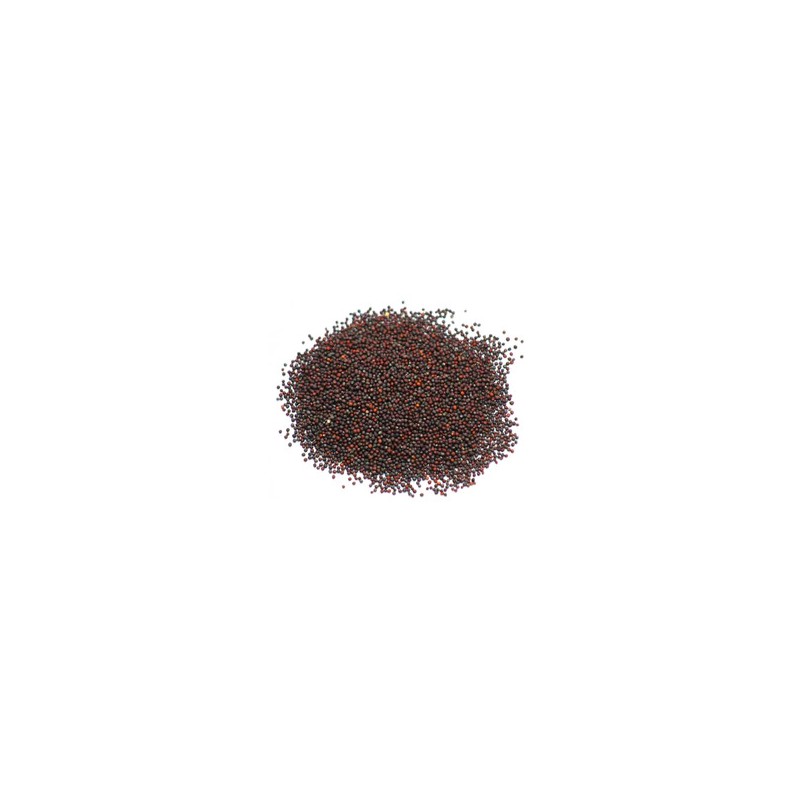
Roman Broccoli San Giuseppe Colosseo Seeds
New product
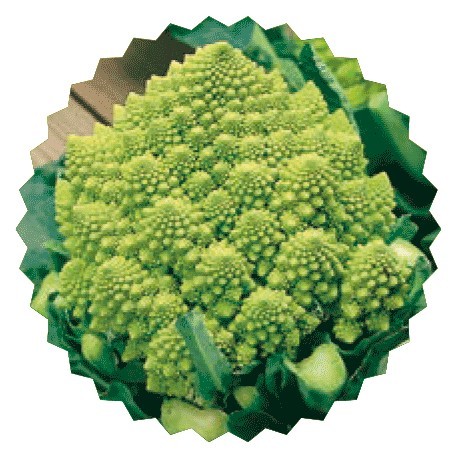
A high-quality, low-vigour winter variety, planted from September and harvested in spring. Dark green, pyramid-shaped heads protected by large leaves.
100 Items
More info
- Roman broccoli San Giuseppe Colosseo
- The Roman broccoli San Giuseppe Colosseo plant
- How to sow Roman broccoli San Giuseppe Colosseo
- How to grow Roman broccoli San Giuseppe Colosseo
- Tips for growing Roman broccoli San Giuseppe Colosseo
- Diseases and pests of Roman broccoli San Giuseppe Colosseo
- Properties of Roman broccoli San Giuseppe Colosseo
- Nutritional values of Roman broccoli San Giuseppe Colosseo (per 100 g)
Roman broccoli San Giuseppe Colosseo
Roman broccoli San Giuseppe Colosseo is a high-quality, low-vigour variety, intended for winter cultivation. It is planted in the cold months, preferably starting in September, and harvested in spring. The broccoli has the classic pyramid shape, with dark green colouring and large leaves that protect the inflorescence until harvest.
The Roman broccoli San Giuseppe Colosseo Plant
Its botanical name is Brassica oleracea var. italica, belonging to the Cruciferae family (Brassicaceae), a variety originating in the Lazio countryside like the whole "San Giuseppe" broccoli group. Colosseo stands out for its plant's reduced vigour and for the high quality of its head, which develops compact and well protected by the wide, covering leaves.
Its growing cycle is designed for the cold season: transplanted in autumn, it matures slowly through winter to be harvested in spring, once the inflorescence has fully developed.
How to Sow Roman broccoli San Giuseppe Colosseo
Sowing takes place in seed trays in late summer, burying the seeds about half a centimeter deep in soft, well-drained soil. Transplanting into open ground starts in September, once the seedlings have developed a few true leaves, with a spacing of at least 50 centimeters between plants.
How to Grow Roman broccoli San Giuseppe Colosseo
Colosseo broccoli prefers fertile, loose, well-drained soil in a sunny position. Being a low-vigour variety, it benefits from well-prepared soil and balanced fertilizing before transplanting, to support growth through the coldest months.
Watering should stay regular but moderate during winter, avoiding waterlogging. Harvest takes place in spring, cutting off the whole head once the inflorescence is compact and tightly closed.
Tips for Growing Roman broccoli San Giuseppe Colosseo
The large, covering leaves naturally protect the head during winter, but in areas with particularly hard frost an additional floating row cover is still useful. Being low-vigour, this variety benefits from soil free of weed competition.
Diseases and Pests of Roman broccoli San Giuseppe Colosseo
Like other Roman broccoli varieties, it can be subject to attacks by cabbage white caterpillars and cutworms, controllable with Bacillus thuringiensis treatments, and to whitefly and aphids, kept in check with natural garlic or nettle macerates. The winter cycle naturally reduces pressure from many pests typical of the warm season.
Properties of Roman broccoli San Giuseppe Colosseo
Roman broccoli San Giuseppe Colosseo retains all the beneficial properties typical of this vegetable: rich in vitamin C, fiber and antioxidant compounds, with a good supply of calcium and potassium. Its low calorie content makes it ideal for a balanced diet, particularly suited to winter soups and stews.
Nutritional Values of Roman broccoli San Giuseppe Colosseo (per 100 g)
- Calories: 28 kcal
- Protein: 2.9 g
- Fat: 0.4 g
- Carbohydrates: 3.5 g
- Fiber: 2.5 g
- Vitamin C: 65 mg
- Potassium: 340 mg