

No products
broccoli seeds
-
Semi ortaggi
-
Summer vegetables seeds
- Garlic seeds
- Watermelon seeds
- Asparagus seeds
- Chili seeds
- Beet seeds
- Basil seeds
- Chard seeds
- Cabbage seeds
- Onion seeds
- Carrot seeds
- artichoke seeds
- Cucumber seeds
- Strawberry seeds
- Bean and green bean seeds
- Broad bean seeds
- Lettuce seeds
- Corn seed
- Eggplant seeds
- Melon seeds
- Okra seeds
- Tomato seeds
- Pea seeds
- Leek seeds
- Pepper seeds
- Radish seeds
- Arugula seeds
- Shallot seeds
- Celery seeds
- Spinach seeds
- Valerian seeds
- Pumpkin seeds
- Courgette seeds
-
Winter vegetables seeds
- broccoli seeds
- cauliflower seeds
- semi di cavolo
- fennel seeds
- Semi di lattuga
- chicory seeds
- Radicchio seeds
- Rocket seeds
- Chard and Beet Seeds
- Escarole Seeds
- Onion Seeds
- Basil Seeds
- Chard Seeds
- Artichoke Seeds
- Carrot Seeds
- Cucumber Seeds
- Bean Seeds
- Endive Seeds
- Leek Seeds
- Parsley Seeds
- Celery Seeds
- Spinach Seeds
- Valerian Seeds
-
Summer vegetables seeds
- Peperoncino secco
- Peperoncino in polvere
- Semi piante aromatiche
- Prati e tappeti erbosi
- Semi fiori ornamentali
- Fertilizzanti
- Fertilizzante solido
- Spezie
- eBook
- Bulbi
- Starter kit / Micro orto
- Idea regalo / Bomboniere
- Patate e tuberi da semina
- Buoni regalo digitali
- TEST posizioni
 View larger
Centoventina Turnip Tops Seeds
New product
A late variety, one of the most productive, requiring about 120 days from sowing to harvest. Large leaves and rounded heads, especially suited to Southern Italy.
100 Items
More info
- Centoventina Turnip Tops
- The Centoventina Turnip Tops Plant
- How to Sow Centoventina Turnip Tops
- How to Grow Centoventina Turnip Tops
- Tips for Growing Centoventina Turnip Tops
- Diseases and Pests of centoventina turnip tops
- Properties of centoventina turnip tops
- Nutritional Values of centoventina turnip tops (per 100 g)
Centoventina Turnip Tops
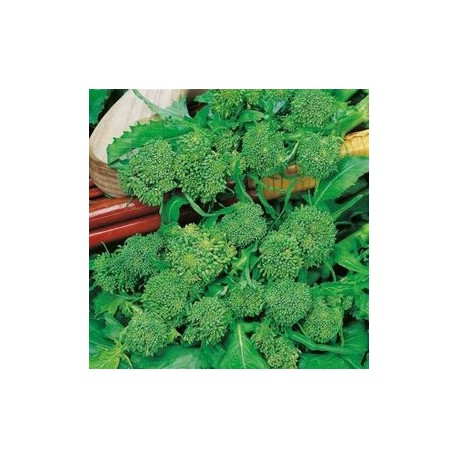
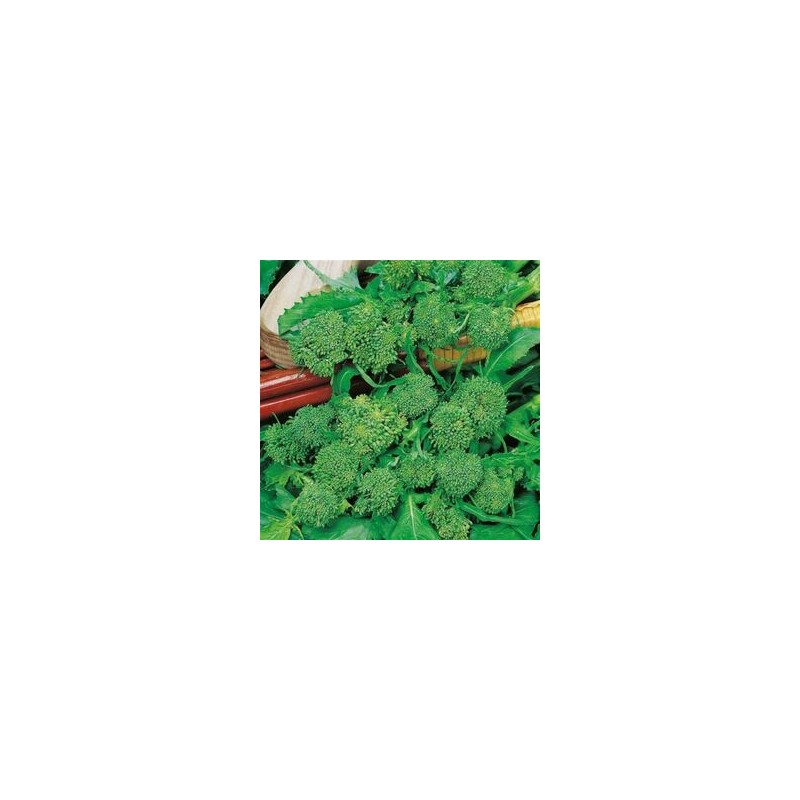
Centoventina Turnip Tops is a late variety and one of the most productive, requiring about 120 days from sowing to harvest. It has large leaves and rounded heads, and is especially suited to Southern Italy.
The Centoventina Turnip Tops Plant
Its botanical name is Brassica rapa subsp. sylvestris, belonging to the Cruciferae family (Brassicaceae). Being the longest-cycle variety among turnip tops, centoventina requires more extensive preparation, to be planned carefully before the arrival of the first hard frosts.
Plants are cut 5-10 centimeters from the ground: this allows the plant to send out numerous side shoots from the base of the stem, extending productivity over time.
How to Sow Centoventina Turnip Tops
Sowing is done directly in open ground from September through the end of October, in rows about 30 centimeters apart. Sowing in early September typically results in harvest in early January, about 120 days later.
How to Grow Centoventina Turnip Tops
Centoventina turnip tops prefer well-drained soil with a near-neutral pH, in a sunny position. Being a variety especially suited to Southern Italy, in northern regions the risk of early frosts can compromise completion of the long growing cycle.
Watering should stay regular during the early growth stages, then decrease with the arrival of autumn rains. Harvest when the flower heads are still closed, cutting the plants a few centimeters from the ground.
Tips for Growing Centoventina Turnip Tops
Given the long growing cycle, it is essential to plan sowing well ahead of winter, to prevent the plant from suffering cold before completing its development. After the first cutting, maintaining supportive feeding encourages the emission of subsequent side shoots.
Diseases and Pests of centoventina turnip tops
Like other Brassicaceae, it can be subject to attacks by cabbage white caterpillars and aphids, controllable with Bacillus thuringiensis treatments and natural garlic or nettle macerates. It is important to avoid waterlogging, which favours root rot and fungal diseases such as downy mildew.
Properties of centoventina turnip tops
Centoventina turnip tops are rich in vitamin C, fiber, calcium and minerals, with a low calorie content that makes them ideal for a balanced diet. The heads and tender stem with leaves are a traditional ingredient in Southern Italian cuisine.
Nutritional Values of centoventina turnip tops (per 100 g)
- Calories: 22 kcal
- Protein: 3.2 g
- Fat: 0.3 g
- Carbohydrates: 1.5 g
- Fiber: 3.1 g
- Vitamin C: 62 mg
- Calcium: 108 mg