

No products
broccoli seeds
-
Semi ortaggi
-
Summer vegetables seeds
- Garlic seeds
- Watermelon seeds
- Asparagus seeds
- Chili seeds
- Beet seeds
- Basil seeds
- Chard seeds
- Cabbage seeds
- Onion seeds
- Carrot seeds
- artichoke seeds
- Cucumber seeds
- Strawberry seeds
- Bean and green bean seeds
- Broad bean seeds
- Lettuce seeds
- Corn seed
- Eggplant seeds
- Melon seeds
- Okra seeds
- Tomato seeds
- Pea seeds
- Leek seeds
- Pepper seeds
- Radish seeds
- Arugula seeds
- Shallot seeds
- Celery seeds
- Spinach seeds
- Valerian seeds
- Pumpkin seeds
- Courgette seeds
-
Winter vegetables seeds
- broccoli seeds
- cauliflower seeds
- semi di cavolo
- fennel seeds
- Semi di lattuga
- chicory seeds
- Radicchio seeds
- Rocket seeds
- Chard and Beet Seeds
- Escarole Seeds
- Onion Seeds
- Basil Seeds
- Chard Seeds
- Artichoke Seeds
- Carrot Seeds
- Cucumber Seeds
- Bean Seeds
- Endive Seeds
- Leek Seeds
- Parsley Seeds
- Celery Seeds
- Spinach Seeds
- Valerian Seeds
-
Summer vegetables seeds
- Peperoncino secco
- Peperoncino in polvere
- Semi piante aromatiche
- Prati e tappeti erbosi
- Semi fiori ornamentali
- Fertilizzanti
- Fertilizzante solido
- Spezie
- eBook
- Bulbi
- Starter kit / Micro orto
- Idea regalo / Bomboniere
- Patate e tuberi da semina
- Buoni regalo digitali
- TEST posizioni
 View larger
Leccese Turnip Tops
New product
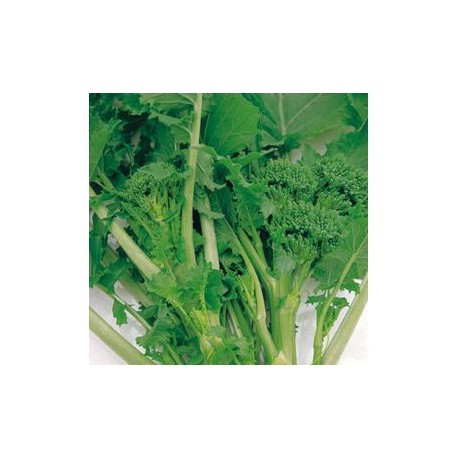
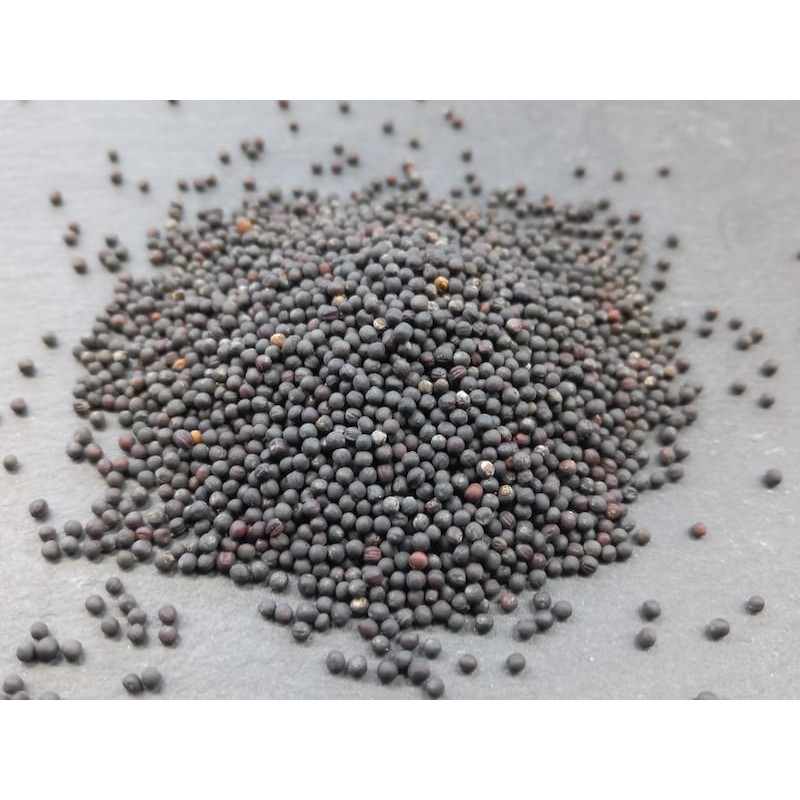
[Brassica rapa subsp. sylvestris] Leccese turnip tops seeds, a traditional Puglia ecotype with a broad, leafy rosette and abundant side shoots after cutting.
99 Items
More info
- Leccese Turnip Tops
- The leccese turnip tops plant
- How to Sow Leccese Turnip Tops
- How to Grow Leccese Turnip Tops
- Tips for Growing Leccese Turnip Tops
- Diseases and Pests of Leccese Turnip Tops
- Properties of Leccese Turnip Tops
- Nutritional Values of Leccese Turnip Tops
Leccese Turnip Tops
Leccese Turnip Tops is a traditional ecotype from the Salento area in Puglia, belonging to Brassica rapa subsp. sylvestris, recognised as one of Italy's traditional agri-food products. It stands out among Puglia's varieties for its low, broad rosette, with abundant leaves surrounding a generous central inflorescence. Once cut, the plant produces numerous side shoots, allowing for repeated staggered harvests.
The leccese turnip tops plant
Leccese Turnip Tops belongs to the Brassicaceae family, the same as cabbage and broccoli. The stem is short and bears a rosette of light to deep green leaves with notable polymorphism. Roots are shallow and fibrous, especially in transplanted plants. In the Salento tradition it is typically boiled and served with a drizzle of olive oil, while the smaller side shoots are stewed or paired with pasta.
How to Sow Leccese Turnip Tops
Sowing usually takes place between July and September, broadcast or in rows 40-50 cm apart with 10-30 cm between plants. For home growing it can also be started in peat pots and transplanted. Seeds germinate best around 25°C, easily achieved in late summer. This is a medium-cycle variety (around 60 days from sowing to flowering), suited to slightly later sowings compared to late varieties.
How to Grow Leccese Turnip Tops
Leccese Turnip Tops thrives in deep, cool, well-drained soil with a pH between 6.5 and 7.5 and low salinity. Nutrient needs are moderate to low, but adequate sulphur is important, as Brassicas require it in significant quantities: a deficiency shows as small, yellowing leaves. The crop rotates well after wheat, broad beans, peas, carrots or potatoes, and its dense leaf cover naturally limits weed growth.
Tips for Growing Leccese Turnip Tops
The inflorescence should be harvested while the flowers are still closed, ensuring the best flavour and tenderness. Watering should be carefully balanced: excess water or nitrogen fertilisation can intensify the plant's natural bitterness. In colder northern climates, where the plant tolerates frost poorly, sowing should be timed to bring harvest forward before the first frosts.
Diseases and Pests of Leccese Turnip Tops
Like other Brassicas, leccese turnip tops can be affected by aphids, flea beetles and cabbage moths, as well as fungal issues such as downy mildew in overly humid conditions. Good crop rotation, well-drained soil and adequate plant spacing significantly reduce these risks.
Properties of Leccese Turnip Tops
Leccese Turnip Tops is rich in polyphenols and natural antioxidants typical of Brassicas, along with vitamin C, folate and minerals such as calcium and iron. Its naturally sweet flavour, which only turns bitter under water stress or excess fertilisation, makes it a versatile ingredient in traditional Salento cuisine.
Nutritional Values of Leccese Turnip Tops
| Value per 100g | Amount |
|---|---|
| Energy | 22 kcal |
| Protein | 3.2 g |
| Carbohydrates | 1.8 g |
| Fibre | 2.9 g |
| Vitamin C | 62 mg |