

No products
Chard Seeds
-
Semi ortaggi
-
Summer vegetables seeds
- Garlic seeds
- Watermelon seeds
- Asparagus seeds
- Chili seeds
- Beet seeds
- Basil seeds
- Chard seeds
- Cabbage seeds
- Onion seeds
- Carrot seeds
- artichoke seeds
- Cucumber seeds
- Strawberry seeds
- Bean and green bean seeds
- Broad bean seeds
- Lettuce seeds
- Corn seed
- Eggplant seeds
- Melon seeds
- Okra seeds
- Tomato seeds
- Pea seeds
- Leek seeds
- Pepper seeds
- Radish seeds
- Arugula seeds
- Shallot seeds
- Celery seeds
- Spinach seeds
- Valerian seeds
- Pumpkin seeds
- Courgette seeds
-
Winter vegetables seeds
- broccoli seeds
- cauliflower seeds
- semi di cavolo
- fennel seeds
- Semi di lattuga
- chicory seeds
- Radicchio seeds
- Rocket seeds
- Chard and Beet Seeds
- Escarole Seeds
- Onion Seeds
- Basil Seeds
- Chard Seeds
- Artichoke Seeds
- Carrot Seeds
- Cucumber Seeds
- Bean Seeds
- Endive Seeds
- Leek Seeds
- Parsley Seeds
- Celery Seeds
- Spinach Seeds
- Valerian Seeds
-
Summer vegetables seeds
- Peperoncino secco
- Peperoncino in polvere
- Semi piante aromatiche
- Prati e tappeti erbosi
- Semi fiori ornamentali
- Fertilizzanti
- Fertilizzante solido
- Spezie
- eBook
- Bulbi
- Starter kit / Micro orto
- Idea regalo / Bomboniere
- Patate e tuberi da semina
- Buoni regalo digitali
- TEST posizioni
 View larger
Swiss Chard Seeds
New product
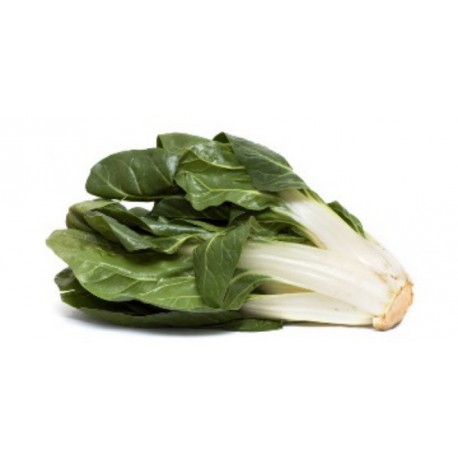
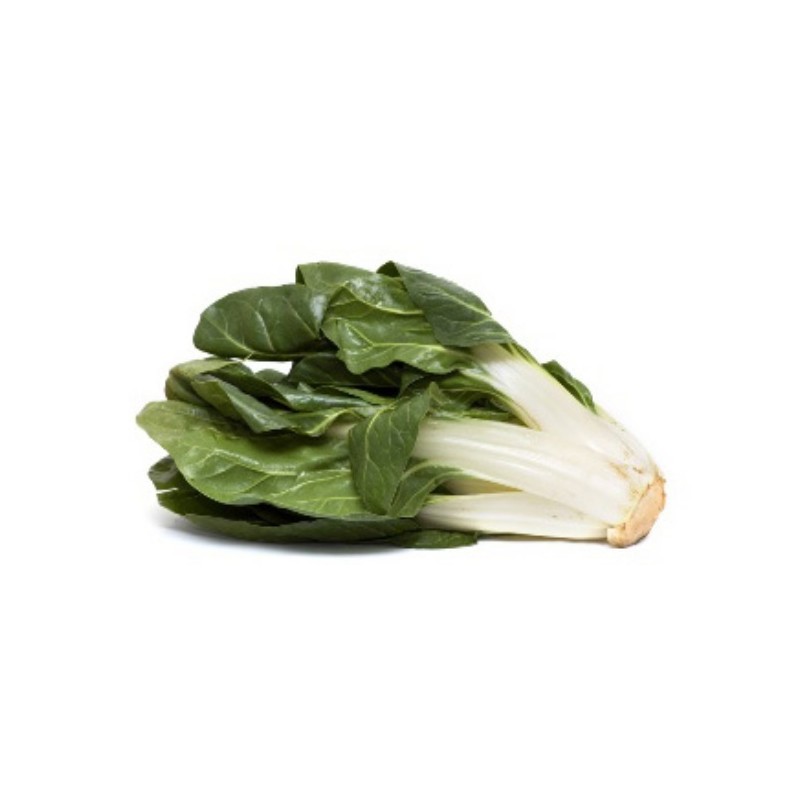
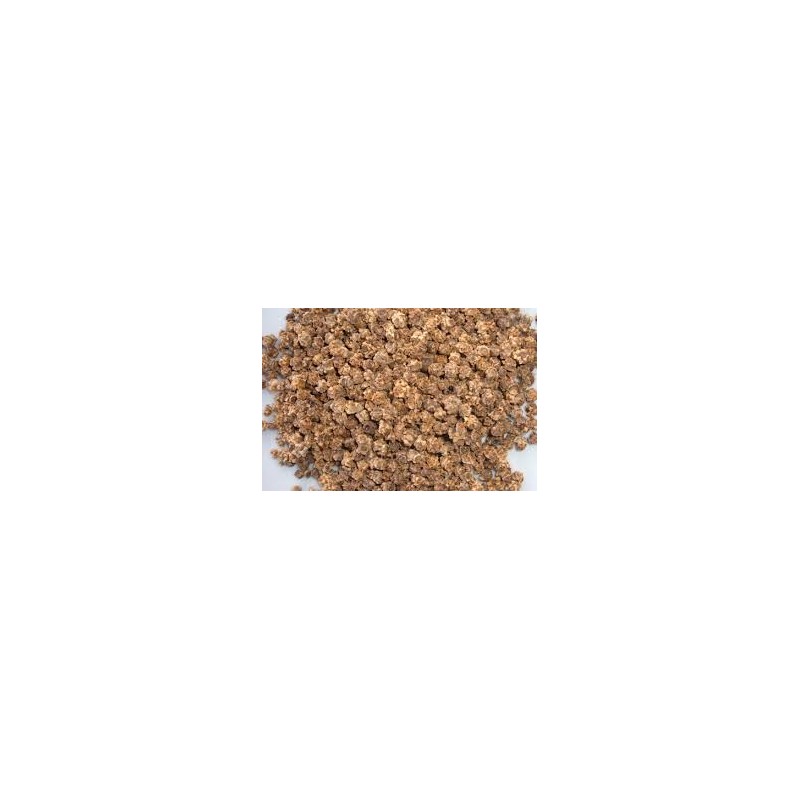
[Beta vulgaris var. cicla] Seeds of a chard variety with wide, fleshy white stalks and crisp green leaves, great for both stalks and leaves.
100 Items
More info
- Swiss Chard
- The Swiss Chard Plant
- How to Sow Swiss Chard
- How to Grow Swiss Chard
- Tips for Growing Swiss Chard
- Diseases and Pests of Swiss Chard
- Properties of Swiss Chard
- Nutritional Values of Swiss Chard (per 100 g)
Swiss Chard
swiss chard is a chard variety grown mainly for its wide, fleshy white stalks, paired with glossy, crunchy green leaves. It is a versatile vegetable, valued in the kitchen both for the stalks, cooked separately as a side dish, and for the leaves, used like common leafy greens.
The swiss chard Plant
Botanically it is a Beta vulgaris var. cicla, part of the Amaranthaceae family (formerly Chenopodiaceae), the same as sugar beet and garden beet in general. The plant forms a rosette of large upright leaves, supported by wide, flat, fleshy stalks of whitish-green color, quite different from the thin leaves of leaf chard.
It is a biennial species grown as an annual, hardy and adaptable, able to tolerate both summer heat and the first autumn frosts well.
How to Sow swiss chard
Sowing takes place from March to August, directly in the open field, placing 2-3 seeds per station at a distance of 35-40 cm along the row and the same between rows, at about 1.5-2 cm deep. Once the seedlings emerge and reach a manageable height, they should be thinned, leaving the most vigorous plant per station.
How to Grow swiss chard
It prefers medium-textured, deep, well-drained soil rich in organic matter, with a pH between 6.5 and 7.5. Watering should be regular and abundant, especially in the hottest months, because water shortage makes the stalks fibrous and less tender.
Harvest usually begins 60-70 days after sowing, cutting the most developed outer leaves while the heart of the plant keeps producing new ones, allowing staggered harvests for several months.
Tips for Growing swiss chard
It is good practice not to repeat the crop on the same plot for at least 2-3 years, alternating it with legumes, onions or cabbages. Light mulching helps keep the soil moist and control weeds between stations.
Diseases and Pests of swiss chard
The main threats are Cercospora leaf spot, which causes circular leaf blotches, downy mildew and aphids, which colonize the underside of the youngest leaves. Good drainage, watering directed at the soil and crop rotation significantly reduce the risk.
Properties of swiss chard
The stalks and leaves are low in calories but rich in water, fiber and minerals, particularly potassium and magnesium, along with fair amounts of vitamin A and vitamin K. It is a vegetable traditionally recommended in light diets for its refreshing, easily digestible qualities.
Nutritional Values of swiss chard (per 100 g)
- Calories: 19 kcal
- Protein: 1.8 g
- Fat: 0.2 g
- Carbohydrates: 3.7 g
- Fiber: 1.6 g
- Potassium: 379 mg
- Vitamin A: 306 mcg