

No products
Chard Seeds
-
Semi ortaggi
-
Summer vegetables seeds
- Garlic seeds
- Watermelon seeds
- Asparagus seeds
- Chili seeds
- Beet seeds
- Basil seeds
- Chard seeds
- Cabbage seeds
- Onion seeds
- Carrot seeds
- artichoke seeds
- Cucumber seeds
- Strawberry seeds
- Bean and green bean seeds
- Broad bean seeds
- Lettuce seeds
- Corn seed
- Eggplant seeds
- Melon seeds
- Okra seeds
- Tomato seeds
- Pea seeds
- Leek seeds
- Pepper seeds
- Radish seeds
- Arugula seeds
- Shallot seeds
- Celery seeds
- Spinach seeds
- Valerian seeds
- Pumpkin seeds
- Courgette seeds
-
Winter vegetables seeds
- broccoli seeds
- cauliflower seeds
- semi di cavolo
- fennel seeds
- Semi di lattuga
- chicory seeds
- Radicchio seeds
- Rocket seeds
- Chard and Beet Seeds
- Escarole Seeds
- Onion Seeds
- Basil Seeds
- Chard Seeds
- Artichoke Seeds
- Carrot Seeds
- Cucumber Seeds
- Bean Seeds
- Endive Seeds
- Leek Seeds
- Parsley Seeds
- Celery Seeds
- Spinach Seeds
- Valerian Seeds
-
Summer vegetables seeds
- Peperoncino secco
- Peperoncino in polvere
- Semi piante aromatiche
- Prati e tappeti erbosi
- Semi fiori ornamentali
- Fertilizzanti
- Fertilizzante solido
- Spezie
- eBook
- Bulbi
- Starter kit / Micro orto
- Idea regalo / Bomboniere
- Patate e tuberi da semina
- Buoni regalo digitali
- TEST posizioni
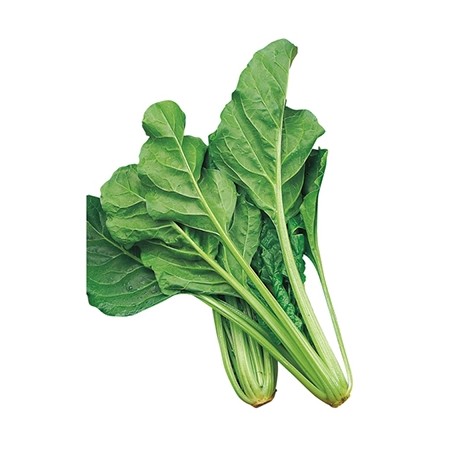 View larger
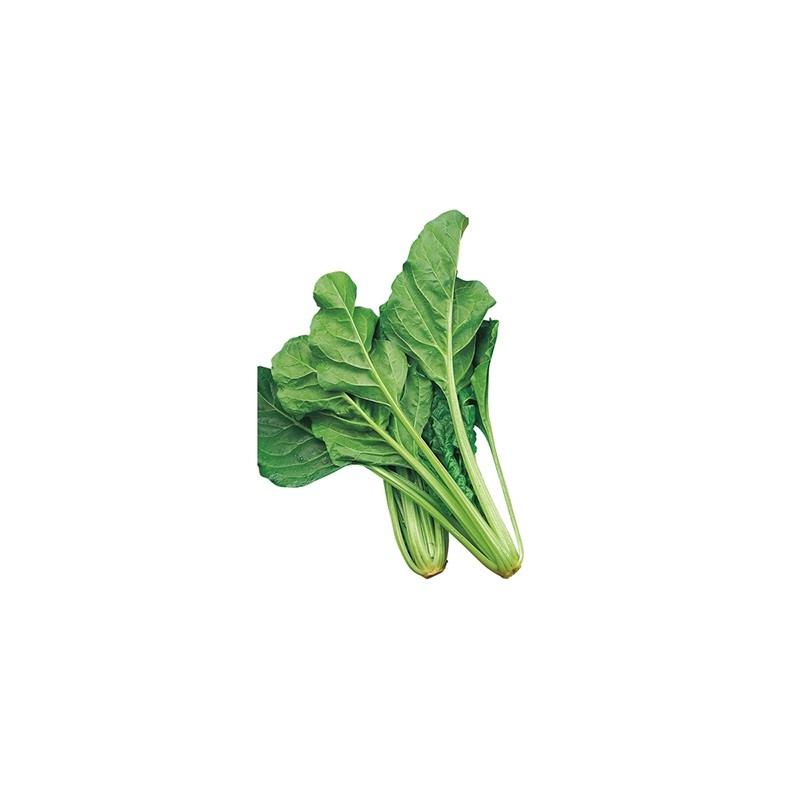
Leaf Chard Seeds
New product
[Beta vulgaris var. cicla] Seeds of a leaf chard variety with tender, thin leaves, perfect for quick, repeated harvests.
100 Items
More info
- Leaf Chard
- The Leaf Chard Plant
- How to Sow Leaf Chard
- How to Grow Leaf Chard
- Tips for Growing Leaf Chard
- Diseases and Pests of Leaf Chard
- Properties of Leaf Chard
- Nutritional Values of Leaf Chard (per 100 g)
Leaf Chard
leaf chard is a chard variety grown for its tender, thin leaves, without developed stalks, ideal for harvesting young and eating raw in salads or lightly wilted. It is one of the fastest and most productive leafy greens in the garden, ready for repeated cutting over time.
The leaf chard Plant
Botanically it is a Beta vulgaris var. cicla, part of the Amaranthaceae family (formerly Chenopodiaceae). Unlike stalk chard, this variety develops thin, numerous leaves with less pronounced veins, which regrow quickly after each harvest.
It is a hardy, fast-growing species, cultivable almost all year round in mild climates, with good tolerance to moderate cold.
How to Sow leaf chard
Sowing is done broadcast or in continuous rows, from March to September, covering the seeds with about 1-1.5 cm of soil. Unlike stalk chard, drastic thinning is not needed: seedlings can stay fairly dense, since they are meant for early cutting.
How to Grow leaf chard
It prefers loose, cool soil rich in organic matter, with frequent but light watering to keep surface moisture constant. Being a short-cycle crop, it doesn't need particular fertilization beyond the base dressing.
The first cut usually happens 30-40 days after sowing, cutting the leaves 3-4 cm above the crown: the plant regrows quickly, allowing several successive cuts within a few weeks.
Tips for Growing leaf chard
For staggered, continuous harvests it's best to sow small amounts every 2-3 weeks, avoiding sowing it all at once. In the hottest months, light shading helps slow down bolting.
Diseases and Pests of leaf chard
The main threats remain Cercospora leaf spot and downy mildew, favored by moisture buildup on the leaves, along with aphids that colonize the tender shoots. Morning watering and good air circulation help prevent leaf rot.
Properties of leaf chard
The young leaves are particularly rich in iron, folic acid and vitamin K, with a milder flavor compared to the mature leaves of stalk chard. They are ideal raw in mixed salads or as a base for green smoothies.
Nutritional Values of leaf chard (per 100 g)
- Calories: 19 kcal
- Protein: 1.8 g
- Fat: 0.2 g
- Carbohydrates: 3.7 g
- Fiber: 1.6 g
- Iron: 1.8 mg
- Vitamin K: 830 mcg