

No products
Cucumber seeds
-
Semi ortaggi
-
Summer vegetables seeds
- Garlic seeds
- Watermelon seeds
- Asparagus seeds
- Chili seeds
- Beet seeds
- Basil seeds
- Chard seeds
- Cabbage seeds
- Onion seeds
- Carrot seeds
- artichoke seeds
- Cucumber seeds
- Strawberry seeds
- Bean and green bean seeds
- Broad bean seeds
- Lettuce seeds
- Corn seed
- Eggplant seeds
- Melon seeds
- Okra seeds
- Tomato seeds
- Pea seeds
- Leek seeds
- Pepper seeds
- Radish seeds
- Arugula seeds
- Shallot seeds
- Celery seeds
- Spinach seeds
- Valerian seeds
- Pumpkin seeds
- Courgette seeds
-
Winter vegetables seeds
- broccoli seeds
- cauliflower seeds
- semi di cavolo
- fennel seeds
- Semi di lattuga
- chicory seeds
- Radicchio seeds
- Rocket seeds
- Chard and Beet Seeds
- Escarole Seeds
- Onion Seeds
- Basil Seeds
- Chard Seeds
- Artichoke Seeds
- Carrot Seeds
- Cucumber Seeds
- Bean Seeds
- Endive Seeds
- Leek Seeds
- Parsley Seeds
- Celery Seeds
- Spinach Seeds
- Valerian Seeds
-
Summer vegetables seeds
- Peperoncino secco
- Peperoncino in polvere
- Semi piante aromatiche
- Prati e tappeti erbosi
- Semi fiori ornamentali
- Fertilizzanti
- Fertilizzante solido
- Spezie
- eBook
- Bulbi
- Starter kit / Micro orto
- Idea regalo / Bomboniere
- Patate e tuberi da semina
- Buoni regalo digitali
- TEST posizioni
 View larger
Polignano Carosello Cucumber Seeds
New product
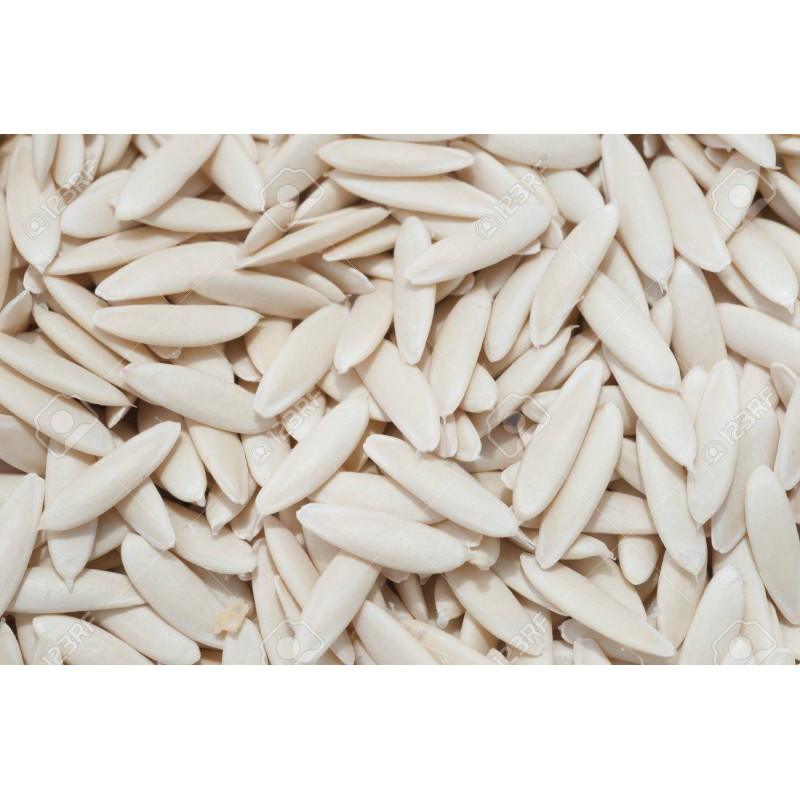
[Cucumis melo] Ancient Apulian carosello seeds, called cucumber but botanically a melon — watery, intensely flavoured, eaten unripe with a pinch of salt.
97 Items
More info
- Polignano Carosello Cucumber
- The Polignano Carosello Plant
- How to Sow Polignano Carosello
- How to Grow Polignano Carosello
- Tips for Polignano Carosello
- Diseases and Pests of Polignano Carosello
- Uses and Curiosities of Polignano Carosello
- Properties of Polignano Carosello
- Nutritional Values of Polignano Carosello
Polignano Carosello Cucumber
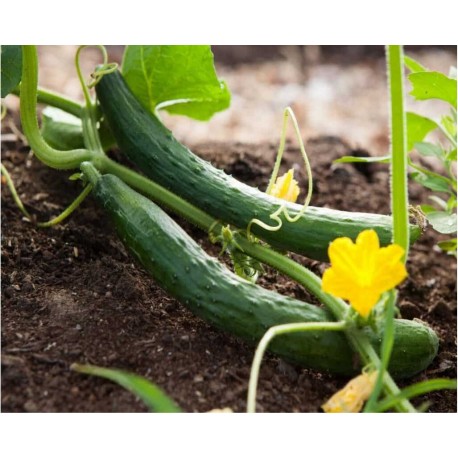
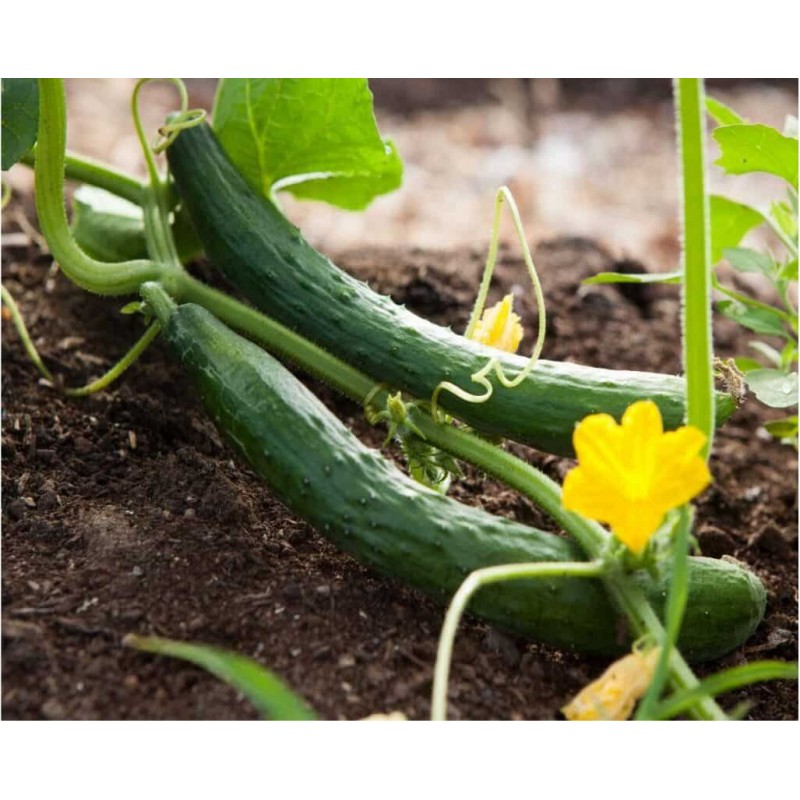
The Polignano carosello cucumber is one of the oldest varieties of Apulian carosello, commonly called "cucumber" but botanically belonging to the species Cucumis melo. The flesh is very watery but keeps an intense, sometimes slightly bitter flavour, typical of this traditional variety from the Bari area.
The Polignano Carosello Plant
It belongs to the Cucurbitaceae family. It is a climbing or creeping plant, traditionally grown south of Bari, between Polignano a Mare and Fasano. The fruits have light green, slightly downy skin, eaten while still unripe as an alternative to traditional cucumber.
How to Sow Polignano Carosello
Sowing takes place from April to May, directly in the field once temperatures stably exceed 15°C, burying seeds about 2 centimetres deep.
How to Grow Polignano Carosello
Growing carosello is quite simple: it just needs a pergola or vertical staking, plenty of sun and abundant watering. It prefers fertile, well-drained soil, with regular watering to ensure the right watery texture of the flesh.
Tips for Polignano Carosello
The fruit should be picked while still unripe, even if small, generally between 400 and 500 grams in weight, to ensure the crisp texture and characteristic flavour before the fruit continues ripening towards the typical melon taste.
Diseases and Pests of Polignano Carosello
Like other cucurbits, it can be subject to powdery mildew and downy mildew in conditions of high humidity, as well as aphid infestations. Good ventilation between plants and proper staking help prevent the main plant diseases.
Uses and Curiosities of Polignano Carosello
In Apulia, carosello is also called "pagnottella" and is eaten raw, simply peeled and cut into cubes or rounds, seasoned with a pinch of salt. It is traditionally served at the table to refresh the palate between courses, especially in fish menus.
Properties of Polignano Carosello
Being free of cucurbitacin, Polignano carosello is more digestible than common cucumber. Very rich in water, it contains tartaric acid, a substance that helps inhibit the conversion of carbohydrates into fat, making it a valuable ally in light diets.
Nutritional Values of Polignano Carosello
Per 100 grams, Polignano carosello provides about 14 kcal, 0.6 g protein, 2.8 g carbohydrates (of which sugars about 2 g), 0.1 g fat and 0.6 g fibre. It has a good potassium content (about 140 mg) and vitamin C.