

No products
Escarole Seeds
-
Semi ortaggi
-
Summer vegetables seeds
- Garlic seeds
- Watermelon seeds
- Asparagus seeds
- Chili seeds
- Beet seeds
- Basil seeds
- Chard seeds
- Cabbage seeds
- Onion seeds
- Carrot seeds
- artichoke seeds
- Cucumber seeds
- Strawberry seeds
- Bean and green bean seeds
- Broad bean seeds
- Lettuce seeds
- Corn seed
- Eggplant seeds
- Melon seeds
- Okra seeds
- Tomato seeds
- Pea seeds
- Leek seeds
- Pepper seeds
- Radish seeds
- Arugula seeds
- Shallot seeds
- Celery seeds
- Spinach seeds
- Valerian seeds
- Pumpkin seeds
- Courgette seeds
-
Winter vegetables seeds
- broccoli seeds
- cauliflower seeds
- semi di cavolo
- fennel seeds
- Semi di lattuga
- chicory seeds
- Radicchio seeds
- Rocket seeds
- Chard and Beet Seeds
- Escarole Seeds
- Onion Seeds
- Basil Seeds
- Chard Seeds
- Artichoke Seeds
- Carrot Seeds
- Cucumber Seeds
- Bean Seeds
- Endive Seeds
- Leek Seeds
- Parsley Seeds
- Celery Seeds
- Spinach Seeds
- Valerian Seeds
-
Summer vegetables seeds
- Peperoncino secco
- Peperoncino in polvere
- Semi piante aromatiche
- Prati e tappeti erbosi
- Semi fiori ornamentali
- Fertilizzanti
- Fertilizzante solido
- Spezie
- eBook
- Bulbi
- Starter kit / Micro orto
- Idea regalo / Bomboniere
- Patate e tuberi da semina
- Buoni regalo digitali
- TEST posizioni
 View larger
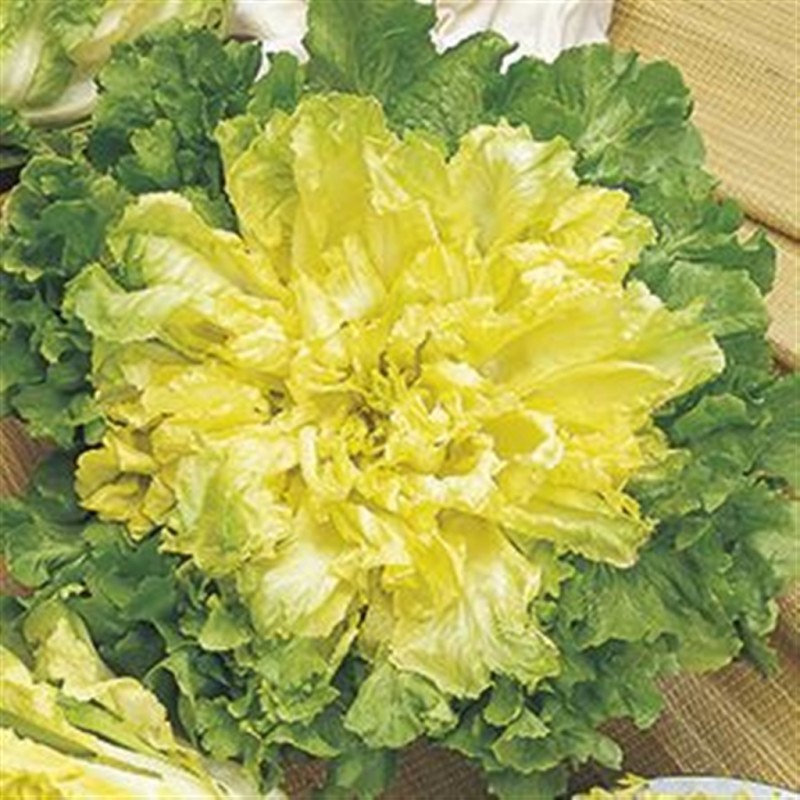
Giant Ortolani Escarole Seeds
New product
[Cichorium endivia] Seeds of a popular Italian escarole variety with a large, compact head, mild sweet flavor and pale heart.
100 Items
More info
- Giant Ortolani Escarole
- The Giant Ortolani Escarole Plant
- How to Sow Giant Ortolani Escarole
- How to Grow Giant Ortolani Escarole
- Tips for Growing Giant Ortolani Escarole
- Diseases and Pests of Giant Ortolani Escarole
- Properties of Giant Ortolani Escarole
- Nutritional Values of Giant Ortolani Escarole (per 100 g)
Giant Ortolani Escarole
The giant Ortolani escarole is one of the most popular escarole varieties, originally from southern Italy. It stands out for its large, compact head, with broad, slightly wavy leaves that are dark green outside and pale, almost white, at the heart. Its flavor is sweeter and milder than other endive varieties, with just a hint of bitterness that makes it appealing even to those who prefer gentler tastes.
The giant Ortolani escarole Plant
Botanically it is a Cichorium endivia var. latifolium, part of the Asteraceae family, the same as chicory and artichoke. The plant forms a wide, vigorous rosette, with broad leaves that open outward, leaving a paler, more tender heart at the center that is naturally less bitter than the outer leaves.
The growing cycle is medium-late, with a plant that reaches a generous size, between 35 and 50 cm in diameter depending on the selection and growing conditions. It is a highly cold-resistant variety, which makes it ideal for autumn and winter growing.
How to Sow giant Ortolani escarole
Sowing takes place from July to September, either in a seedbed for later transplanting or by direct sowing in the open field. Seeds should be buried about 1-1.5 cm deep, with rows spaced around 40 cm apart and plants 25-30 cm apart along the row to give the head enough room to develop. Germination usually occurs within 15-25 days, depending on soil temperature.
How to Grow giant Ortolani escarole
This variety favors fertile, well-draining soil rich in organic matter, with a pH between 6.0 and 7.0. It adapts well to both open field and protected greenhouse growing, proving especially reliable for successive summer and autumn crops thanks to its good post-harvest keeping quality.
Harvest usually takes place 45 to 60 days after transplanting the seedlings, once the head has reached its ideal size and compactness. Watering should be kept regular, avoiding waterlogging that could encourage crown rot.
Tips for Growing giant Ortolani escarole
To naturally reduce the bitterness of the outer leaves, the head can be "blanched" by tying the outer leaves around the heart a few days before harvest, a traditional technique that lightens and sweetens the inner leaves. Given the size of the mature head, plants should not be spaced too closely, to ensure good air circulation and reduce the risk of rot.
Diseases and Pests of giant Ortolani escarole
The most common issues are fungal rots affecting the crown and lower leaves, favored by excess humidity and poor air circulation between plants: proper spacing at sowing helps prevent them. Common pests include aphids and slugs, especially troublesome during the humid autumn months, manageable with regular checks and physical barriers or targeted treatments when needed.
Properties of giant Ortolani escarole
The leaves of this escarole are rich in water and fiber, with a very low calorie content that makes it well suited to light, cleansing diets. It contains good amounts of vitamin A and vitamin K, along with a fair supply of folate and potassium. The slightly bitter notes typical of the chicory family are traditionally associated with beneficial effects on digestion.
Nutritional Values of giant Ortolani escarole (per 100 g)
- Calories: 17 kcal
- Protein: 1.3 g
- Fat: 0.2 g
- Carbohydrates: 3.4 g
- Fiber: 3.1 g
- Vitamin A: 145 mcg
- Potassium: 314 mg