

No products
Escarole Seeds
-
Semi ortaggi
-
Summer vegetables seeds
- Garlic seeds
- Watermelon seeds
- Asparagus seeds
- Chili seeds
- Beet seeds
- Basil seeds
- Chard seeds
- Cabbage seeds
- Onion seeds
- Carrot seeds
- artichoke seeds
- Cucumber seeds
- Strawberry seeds
- Bean and green bean seeds
- Broad bean seeds
- Lettuce seeds
- Corn seed
- Eggplant seeds
- Melon seeds
- Okra seeds
- Tomato seeds
- Pea seeds
- Leek seeds
- Pepper seeds
- Radish seeds
- Arugula seeds
- Shallot seeds
- Celery seeds
- Spinach seeds
- Valerian seeds
- Pumpkin seeds
- Courgette seeds
-
Winter vegetables seeds
- broccoli seeds
- cauliflower seeds
- semi di cavolo
- fennel seeds
- Semi di lattuga
- chicory seeds
- Radicchio seeds
- Rocket seeds
- Chard and Beet Seeds
- Escarole Seeds
- Onion Seeds
- Basil Seeds
- Chard Seeds
- Artichoke Seeds
- Carrot Seeds
- Cucumber Seeds
- Bean Seeds
- Endive Seeds
- Leek Seeds
- Parsley Seeds
- Celery Seeds
- Spinach Seeds
- Valerian Seeds
-
Summer vegetables seeds
- Peperoncino secco
- Peperoncino in polvere
- Semi piante aromatiche
- Prati e tappeti erbosi
- Semi fiori ornamentali
- Fertilizzanti
- Fertilizzante solido
- Spezie
- eBook
- Bulbi
- Starter kit / Micro orto
- Idea regalo / Bomboniere
- Patate e tuberi da semina
- Buoni regalo digitali
- TEST posizioni
 View larger
Bordeaux Cornet Escarole Seeds
New product
[Cichorium endivia] Seeds of a traditional escarole variety with an elongated head and a crisp, cornet-shaped, self-blanching heart.
99 Items
More info
- Bordeaux Cornet Escarole
- The Bordeaux Cornet Escarole Plant
- How to Sow Bordeaux Cornet Escarole
- How to Grow Bordeaux Cornet Escarole
- Tips for Growing Bordeaux Cornet Escarole
- Diseases and Pests of Bordeaux Cornet Escarole
- Properties of Bordeaux Cornet Escarole
- Nutritional Values of Bordeaux Cornet Escarole (per 100 g)
Bordeaux Cornet Escarole
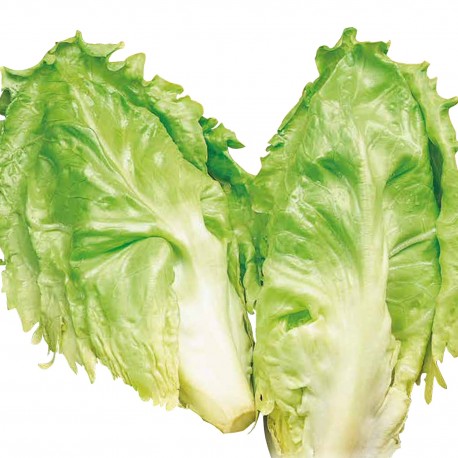
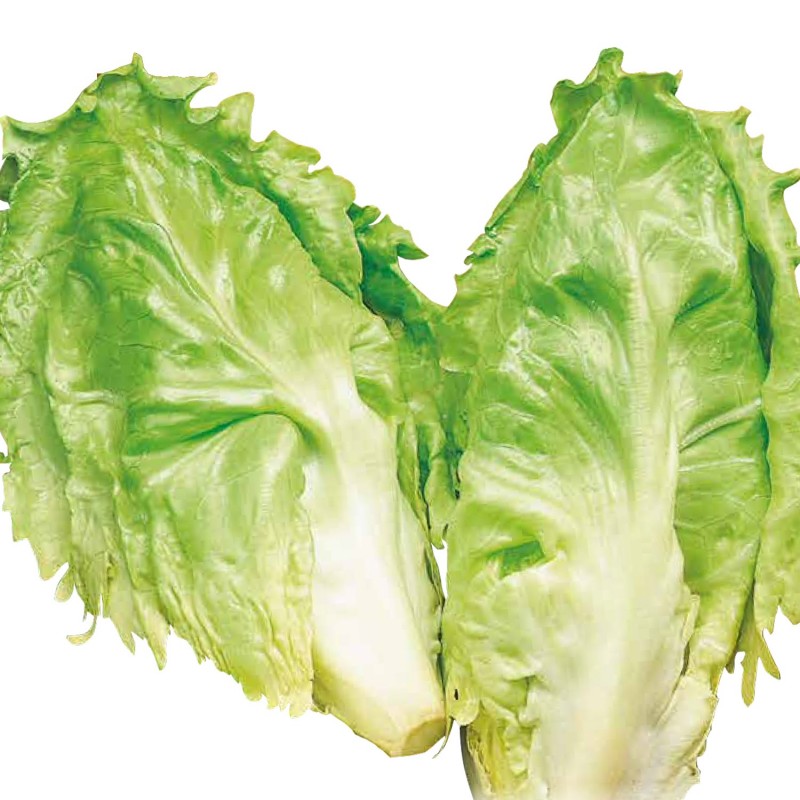
The Bordeaux cornet escarole is a traditional escarole variety with a large, elongated head that wraps in on itself early on, forming its characteristic central "cornet". The outer leaves are smooth, dark green, with a wide white rib, while the heart naturally lightens as it matures.
The Bordeaux cornet escarole Plant
Botanically it is a Cichorium endivia var. latifolium, part of the Asteraceae family. The plant forms a bulky, elongated head, with a large upright cornet-shaped heart, tightly closed and wrapped in abundant outer foliage.
It is a mid-to-late cycle variety, fairly resistant to bolting and particularly well suited to autumn-winter growing thanks to its good hardiness.
How to Sow Bordeaux cornet escarole
Sowing takes place from July to September, either in a seedbed for later transplanting or by direct sowing in the open field. Seeds should be buried about 1-1.5 cm deep, spacing plants 25-30 cm apart along the row and about 40 cm between rows. Germination usually occurs within 6-8 days at soil temperatures around 18-20°C.
How to Grow Bordeaux cornet escarole
This variety favors medium-textured, fertile, cool, loose and well-drained soil, with a pH between 6.5 and 7.5. It is well suited to summer sowings for autumn and winter harvests, performing especially well in temperate climates with good sun exposure.
Harvest usually takes place 60 to 90 days after transplanting, once the head has reached its characteristic elongated shape and the central heart has tightened well. Watering should stay consistent, while avoiding waterlogging that encourages rot.
Tips for Growing Bordeaux cornet escarole
Traditionally, blanching is done by tying the outer leaves around the heart a few days before harvest, or by using pits in the ground covered with a thick layer of straw: this technique sweetens the flavor and lightens the central heart. In case of intense frost, it is useful to protect the plants with a mulch of straw or dry leaves.
Diseases and Pests of Bordeaux cornet escarole
Fungal rots, favored by excess humidity and poor air circulation, are the main risk: well-draining soil and watering directed at the soil rather than the leaves help prevent them. Common pests include slugs, especially active during humid autumn periods, manageable with physical barriers or beer traps buried near the plants.
Properties of Bordeaux cornet escarole
The leaves of this escarole have a very low calorie content and high water content, making it well suited to light diets. It is a good source of vitamin A and vitamin C, and also has a fair iron content. The slightly bitter taste typical of the chicory family is traditionally associated with beneficial effects on digestion.
Nutritional Values of Bordeaux cornet escarole (per 100 g)
- Calories: 17 kcal
- Protein: 1.3 g
- Fat: 0.2 g
- Carbohydrates: 3.4 g
- Fiber: 3.1 g
- Vitamin A: 145 mcg
- Iron: 0.8 mg