

No products
fennel seeds
-
Semi ortaggi
-
Summer vegetables seeds
- Garlic seeds
- Watermelon seeds
- Asparagus seeds
- Chili seeds
- Beet seeds
- Basil seeds
- Chard seeds
- Cabbage seeds
- Onion seeds
- Carrot seeds
- artichoke seeds
- Cucumber seeds
- Strawberry seeds
- Bean and green bean seeds
- Broad bean seeds
- Lettuce seeds
- Corn seed
- Eggplant seeds
- Melon seeds
- Okra seeds
- Tomato seeds
- Pea seeds
- Leek seeds
- Pepper seeds
- Radish seeds
- Arugula seeds
- Shallot seeds
- Celery seeds
- Spinach seeds
- Valerian seeds
- Pumpkin seeds
- Courgette seeds
-
Winter vegetables seeds
- broccoli seeds
- cauliflower seeds
- semi di cavolo
- fennel seeds
- Semi di lattuga
- chicory seeds
- Radicchio seeds
- Rocket seeds
- Chard and Beet Seeds
- Escarole Seeds
- Onion Seeds
- Basil Seeds
- Chard Seeds
- Artichoke Seeds
- Carrot Seeds
- Cucumber Seeds
- Bean Seeds
- Endive Seeds
- Leek Seeds
- Parsley Seeds
- Celery Seeds
- Spinach Seeds
- Valerian Seeds
-
Summer vegetables seeds
- Peperoncino secco
- Peperoncino in polvere
- Semi piante aromatiche
- Prati e tappeti erbosi
- Semi fiori ornamentali
- Fertilizzanti
- Fertilizzante solido
- Spezie
- eBook
- Bulbi
- Starter kit / Micro orto
- Idea regalo / Bomboniere
- Patate e tuberi da semina
- Buoni regalo digitali
- TEST posizioni
 View larger
Mars Early Fennel Seeds
New product
Seeds of an early hybrid variety producing compact, well-formed white bulbs in a short growing cycle.
100 Items
More info
- Mars early fennel
- The Mars early fennel plant
- How to sow Mars early fennel
- How to grow Mars early fennel
- Tips for growing Mars early fennel
- Diseases and pests of Mars early fennel
- Properties of Mars early fennel
- Nutritional values of Mars early fennel (per 100 g)
Mars early fennel
The Mars early fennel is an early-cycle hybrid variety, selected to produce compact, well-formed bulbs faster than medium-late varieties. It's particularly suited for those seeking early harvests while still maintaining excellent product quality.
The Mars early fennel plant
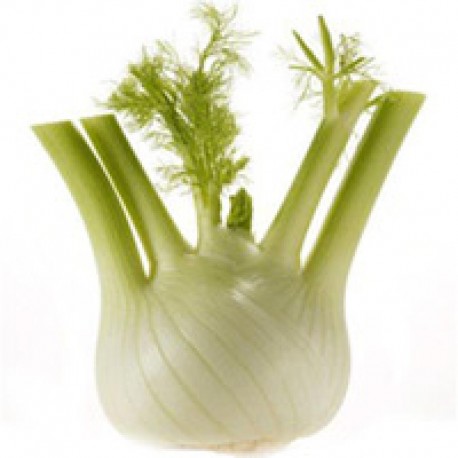
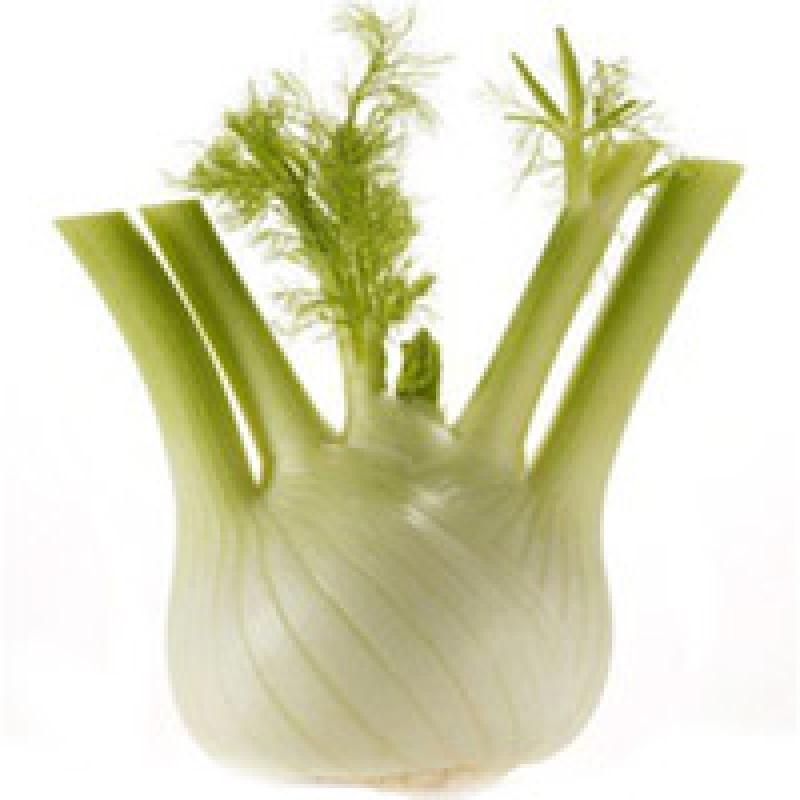
This is a herbaceous plant (Foeniculum vulgare var. azoricum) of the Apiaceae family, with fleshy leaf sheaths overlapping to form the bulb at the base and an upright, hollow stem with thin, finely divided, deep green leaves. Mars is characterized by a short growing cycle, allowing earlier harvest compared to many other cultivated varieties.
The mature bulb is round and compact, white in color, with crisp, juicy sheaths that make it versatile both raw and cooked.
How to sow Mars early fennel
Sowing takes place from late June to early July, in a seedbed or directly in open field, once minimum temperatures stably exceed 14°C. Seeds should be buried about 1-1.5 cm deep. Thanks to the variety's earliness, germination and initial growth are generally fast, with transplanting possible after about 30 days if sown in a seedbed.
How to grow Mars early fennel
Mars fennel prefers a temperate, sunny climate, with an optimal temperature around 20°C. The ideal soil is fertile, rich in organic matter, well-draining, loose or medium-textured: in overly compact soils the bulb can protrude and take on an unattractive greenish color.
Spacing of about 20-30 cm along the row and 25 cm between rows should be maintained. Watering must be regular but not excessive, especially in the early growth stages, to promote a compact bulb without harmful waterlogging.
Tips for growing Mars early fennel
Given the fast cycle, it's important to monitor bulb development frequently to harvest at the right time, before they tend to become fibrous. Periodically earthing up the base promotes blanching and protects the bulb from direct sun exposure.
Diseases and pests of Mars early fennel
Common leaf diseases include septoria and cercospora, responsible for necrotic spots, and powdery mildew, recognizable by the white powdery coating on the leaves. Good airflow between plants, achieved through correct spacing, significantly reduces the risk of these fungal issues.
Properties of Mars early fennel
The bulb of Mars fennel is rich in water and fiber, with a low calorie content that makes it suitable for a light, balanced diet. It contains potassium, useful for fluid and mineral balance, and the typical aromatic compounds of fennel, valued for their digestive and carminative properties.
Nutritional values of Mars early fennel (per 100 g)
- Calories: 31 kcal
- Protein: 1.2 g
- Fat: 0.2 g
- Carbohydrates: 7.3 g
- Fiber: 3.1 g
- Vitamin C: 12 mg
- Potassium: 414 mg