

No products
Onion Seeds
-
Semi ortaggi
-
Summer vegetables seeds
- Garlic seeds
- Watermelon seeds
- Asparagus seeds
- Chili seeds
- Beet seeds
- Basil seeds
- Chard seeds
- Cabbage seeds
- Onion seeds
- Carrot seeds
- artichoke seeds
- Cucumber seeds
- Strawberry seeds
- Bean and green bean seeds
- Broad bean seeds
- Lettuce seeds
- Corn seed
- Eggplant seeds
- Melon seeds
- Okra seeds
- Tomato seeds
- Pea seeds
- Leek seeds
- Pepper seeds
- Radish seeds
- Arugula seeds
- Shallot seeds
- Celery seeds
- Spinach seeds
- Valerian seeds
- Pumpkin seeds
- Courgette seeds
-
Winter vegetables seeds
- broccoli seeds
- cauliflower seeds
- semi di cavolo
- fennel seeds
- Semi di lattuga
- chicory seeds
- Radicchio seeds
- Rocket seeds
- Chard and Beet Seeds
- Escarole Seeds
- Onion Seeds
- Basil Seeds
- Chard Seeds
- Artichoke Seeds
- Carrot Seeds
- Cucumber Seeds
- Bean Seeds
- Endive Seeds
- Leek Seeds
- Parsley Seeds
- Celery Seeds
- Spinach Seeds
- Valerian Seeds
-
Summer vegetables seeds
- Peperoncino secco
- Peperoncino in polvere
- Semi piante aromatiche
- Prati e tappeti erbosi
- Semi fiori ornamentali
- Fertilizzanti
- Fertilizzante solido
- Spezie
- eBook
- Bulbi
- Starter kit / Micro orto
- Idea regalo / Bomboniere
- Patate e tuberi da semina
- Buoni regalo digitali
- TEST posizioni
 View larger
White Bunching Onion Seeds
New product
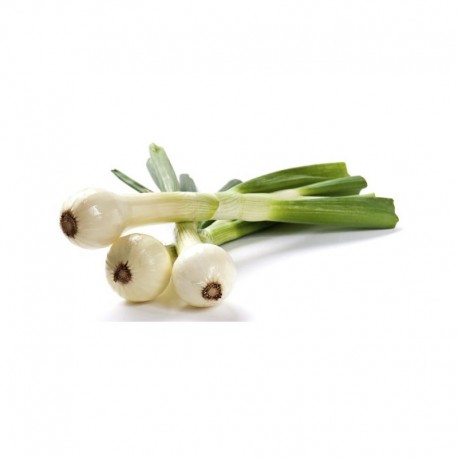
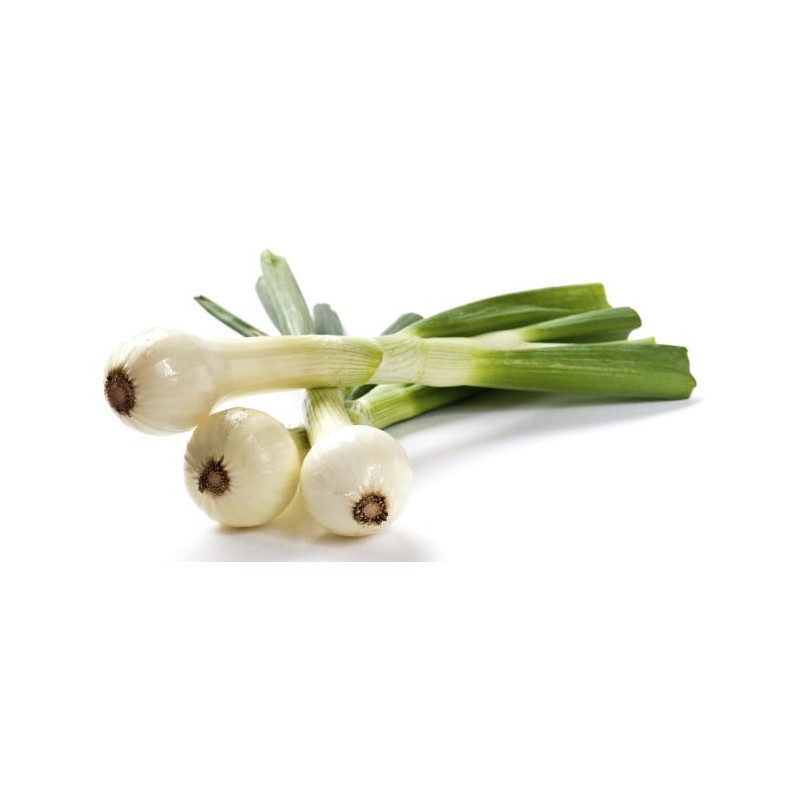
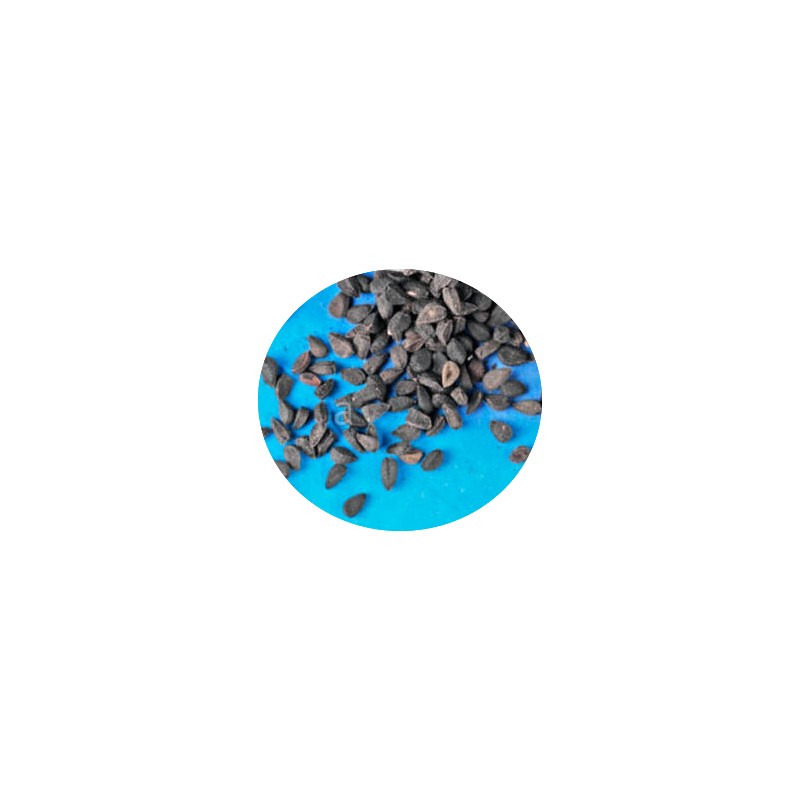
[Allium fistulosum] Welsh onion seeds, clump-forming, long white stalks, no true bulb — staple of Asian cuisine, harvested fresh.
100 Items
More info
- White Bunching Onion
- The White Bunching Onion Plant
- How to Sow White Bunching Onion
- How to Grow White Bunching Onion
- Tips for White Bunching Onion
- Diseases and Pests of White Bunching Onion
- Uses and Curiosities of White Bunching Onion
- Properties of White Bunching Onion
- Nutritional Values of White Bunching Onion
White Bunching Onion
Also known as "Welsh onion" or Japanese bunching onion, the white bunching onion does not form a true bulb but grows in clumps, with long white cylindrical stalks harvested fresh like a spring onion.
The White Bunching Onion Plant
Allium fistulosum belongs to the Amaryllidaceae family and is a distinct species from the common bulb onion (Allium cepa). It is a perennial plant, grown as an annual or biennial, forming hollow clumps up to 50-100 cm tall, with white tunic at the base.
How to Sow White Bunching Onion
Sowing takes place between May and September depending on the climate zone, followed by transplanting and staggered harvesting according to kitchen needs.
How to Grow White Bunching Onion
A hardy, low-maintenance plant, it adapts well to different soils provided they are well-drained; periodically hilling soil around the base helps produce long, white stalks.
Tips for White Bunching Onion
It is harvested in stages as the clumps reach the desired size, either cutting the whole plant or taking just a few stalks and letting the rest regrow.
Diseases and Pests of White Bunching Onion
It is generally resistant to the main onion diseases, but can be subject to downy mildew in excessively humid conditions; watch for onion fly.
Uses and Curiosities of White Bunching Onion
Used fresh like a mini spring onion or leek, it is a staple of Asian cuisine; in antiquity Greek athletes reportedly drank its juice before the Olympics.
Properties of White Bunching Onion
Rich in organic sulphur compounds and vitamin C, it has traditionally been credited with benefiting eyesight and has digestive and mildly diuretic properties.
Nutritional Values of White Bunching Onion
Per 100 grams, white bunching onion provides about 27 kcal, 1.6 g protein, 5 g carbohydrates (of which sugars about 2.3 g), 0.2 g fat and 2.5 g fibre. It has a good vitamin C content (about 19 mg) and vitamin K.