

No products
Pepper seeds
-
Semi ortaggi
-
Summer vegetables seeds
- Garlic seeds
- Watermelon seeds
- Asparagus seeds
- Chili seeds
- Beet seeds
- Basil seeds
- Chard seeds
- Cabbage seeds
- Onion seeds
- Carrot seeds
- artichoke seeds
- Cucumber seeds
- Strawberry seeds
- Bean and green bean seeds
- Broad bean seeds
- Lettuce seeds
- Corn seed
- Eggplant seeds
- Melon seeds
- Okra seeds
- Tomato seeds
- Pea seeds
- Leek seeds
- Pepper seeds
- Radish seeds
- Arugula seeds
- Shallot seeds
- Celery seeds
- Spinach seeds
- Valerian seeds
- Pumpkin seeds
- Courgette seeds
-
Winter vegetables seeds
- broccoli seeds
- cauliflower seeds
- semi di cavolo
- fennel seeds
- Semi di lattuga
- chicory seeds
- Radicchio seeds
- Rocket seeds
- Chard and Beet Seeds
- Escarole Seeds
- Onion Seeds
- Basil Seeds
- Chard Seeds
- Artichoke Seeds
- Carrot Seeds
- Cucumber Seeds
- Bean Seeds
- Endive Seeds
- Leek Seeds
- Parsley Seeds
- Celery Seeds
- Spinach Seeds
- Valerian Seeds
-
Summer vegetables seeds
- Peperoncino secco
- Peperoncino in polvere
- Semi piante aromatiche
- Prati e tappeti erbosi
- Semi fiori ornamentali
- Fertilizzanti
- Fertilizzante solido
- Spezie
- eBook
- Bulbi
- Starter kit / Micro orto
- Idea regalo / Bomboniere
- Patate e tuberi da semina
- Buoni regalo digitali
- TEST posizioni
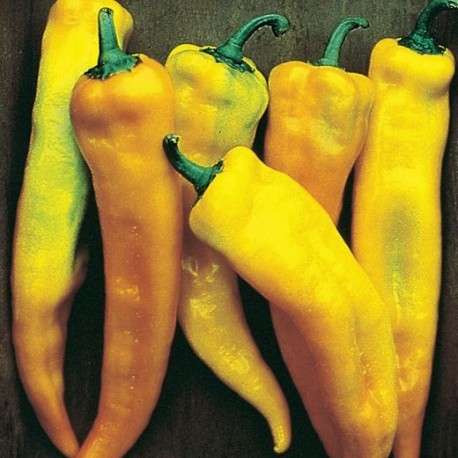 View larger
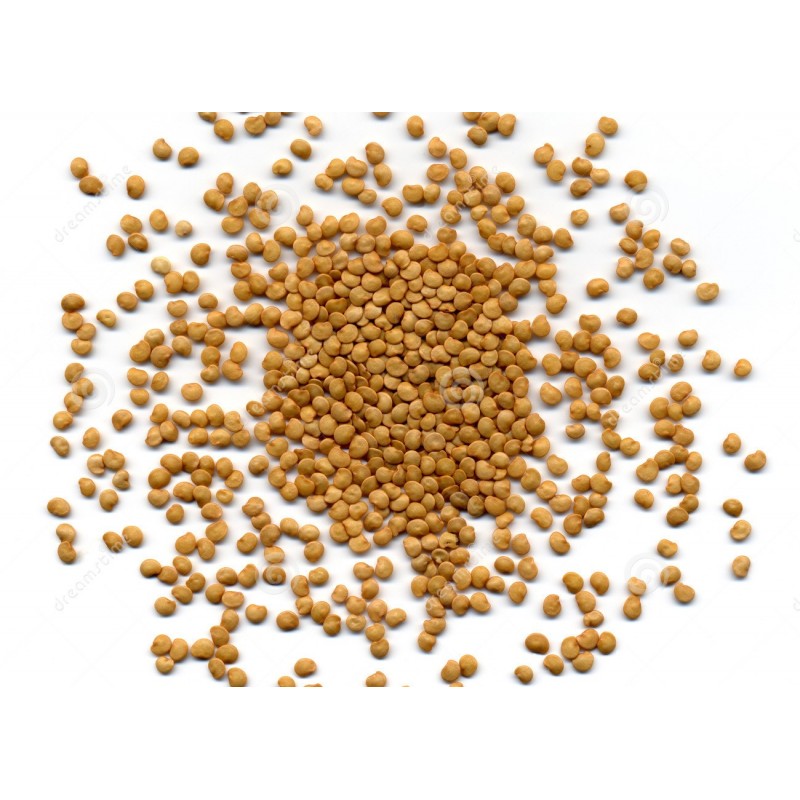
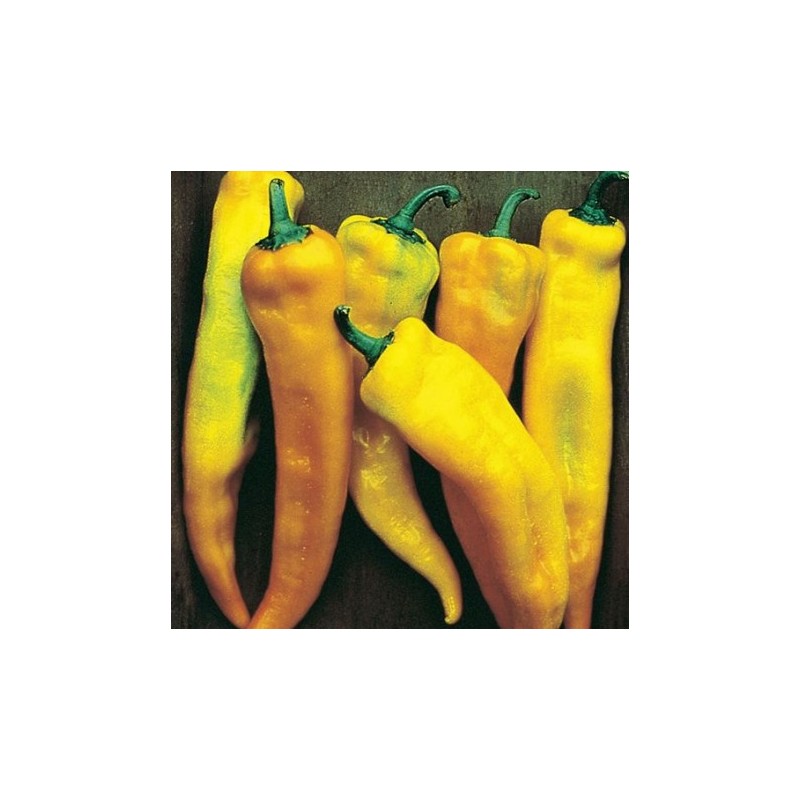
Yellow Bull's Horn Pepper Seeds
New product
Seeds of a classic sweet pepper variety, elongated and curved, turning bright yellow at full ripeness.
97 Items
More info
- yellow bull's horn pepper
- The yellow bull's horn pepper plant
- How to sow the yellow bull's horn pepper
- How to grow the yellow bull's horn pepper
- Tips for growing the yellow bull's horn pepper
- Diseases and pests of the yellow bull's horn pepper
- Properties of the yellow bull's horn pepper
- Nutritional values of the yellow bull's horn pepper (per 100 g)
yellow bull's horn pepper
The yellow bull's horn pepper is one of the most widely grown and loved sweet pepper varieties in Italy, recognizable by its elongated, curved shape resembling a bull's horn. The fruit, bright yellow when fully ripe, is prized for its thick, fleshy walls and sweet flavor, versatile in the kitchen whether eaten raw or cooked.
The yellow bull's horn pepper plant
It belongs to the species Capsicum annuum, with an upright, sturdy habit able to support a generous number of large fruits without bending. The main stem is solid and stable, a trait that makes harvesting easier and reduces the risk of breakage in the field.
The fruit has the classic elongated horn shape, reaching a length of 20-25 cm, with thick, fleshy walls and a fairly small internal placenta. It turns from deep green to bright yellow at full ripeness, with sweet, firm and fragrant flesh, much sought after both for fresh consumption and processing.
How to sow the yellow bull's horn pepper
Sow in a protected seedbed from January to March, keeping a steady temperature of 20-25°C for fast, even germination, which usually occurs within 8-12 days. Transplant into open field or greenhouse between April and May, once night temperatures no longer drop below 12°C, spacing seedlings about 40-50 cm apart along the row and 70-80 cm between rows.
How to grow the yellow bull's horn pepper
This variety adapts well to both open-field and greenhouse cultivation, favoring fertile, deep, well-draining soil with a good supply of organic matter. Full sun exposure is needed throughout the growing cycle, which lasts roughly 60 to 100 days from transplanting to harvest depending on the specific cultivar.
Watering should be kept regular and steady, avoiding both water stress and waterlogging, which favors fungal diseases. Harvesting can begin once the fruit has already turned bright yellow, or while still green for a more delicate use in the kitchen: both stages are edible and appreciated.
Tips for growing the yellow bull's horn pepper
Mulching with plastic film or a layer of straw helps keep weeds down and maintain steady soil moisture, reducing water stress during the hottest months. Light pinching two leaves above forming fruit improves size, while removing some excess flowers helps the remaining fruit grow larger.
Diseases and pests of the yellow bull's horn pepper
The main fungal diseases affecting this variety are downy mildew, fusarium, powdery mildew and alternaria, all favored by excess humidity and poor airflow: in organic growing, copper-based products remain the main line of prevention. Among the most troublesome pests are aphids, spider mites and pyralid moths, which lay their eggs directly on the fruit; here too, natural remedies or biological control are preferable to chemical pesticides.
Properties of the yellow bull's horn pepper
Rich in vitamin C, in amounts even higher than citrus fruits, this pepper is also a good source of vitamin A, potassium and natural antioxidants such as the carotenoids responsible for its yellow color. It has a low calorie content and high water content, making it a fresh, light food suited to a balanced diet all year round.
Nutritional values of the yellow bull's horn pepper (per 100 g)
- Calories: 27 kcal
- Protein: 1 g
- Fat: 0.2 g
- Carbohydrates: 5.3 g
- Fiber: 1.7 g
- Vitamin C: 184 mg
- Potassium: 212 mg