

No products
Pepper seeds
-
Semi ortaggi
-
Summer vegetables seeds
- Garlic seeds
- Watermelon seeds
- Asparagus seeds
- Chili seeds
- Beet seeds
- Basil seeds
- Chard seeds
- Cabbage seeds
- Onion seeds
- Carrot seeds
- artichoke seeds
- Cucumber seeds
- Strawberry seeds
- Bean and green bean seeds
- Broad bean seeds
- Lettuce seeds
- Corn seed
- Eggplant seeds
- Melon seeds
- Okra seeds
- Tomato seeds
- Pea seeds
- Leek seeds
- Pepper seeds
- Radish seeds
- Arugula seeds
- Shallot seeds
- Celery seeds
- Spinach seeds
- Valerian seeds
- Pumpkin seeds
- Courgette seeds
-
Winter vegetables seeds
- broccoli seeds
- cauliflower seeds
- semi di cavolo
- fennel seeds
- Semi di lattuga
- chicory seeds
- Radicchio seeds
- Rocket seeds
- Chard and Beet Seeds
- Escarole Seeds
- Onion Seeds
- Basil Seeds
- Chard Seeds
- Artichoke Seeds
- Carrot Seeds
- Cucumber Seeds
- Bean Seeds
- Endive Seeds
- Leek Seeds
- Parsley Seeds
- Celery Seeds
- Spinach Seeds
- Valerian Seeds
-
Summer vegetables seeds
- Peperoncino secco
- Peperoncino in polvere
- Semi piante aromatiche
- Prati e tappeti erbosi
- Semi fiori ornamentali
- Fertilizzanti
- Fertilizzante solido
- Spezie
- eBook
- Bulbi
- Starter kit / Micro orto
- Idea regalo / Bomboniere
- Patate e tuberi da semina
- Buoni regalo digitali
- TEST posizioni
 View larger
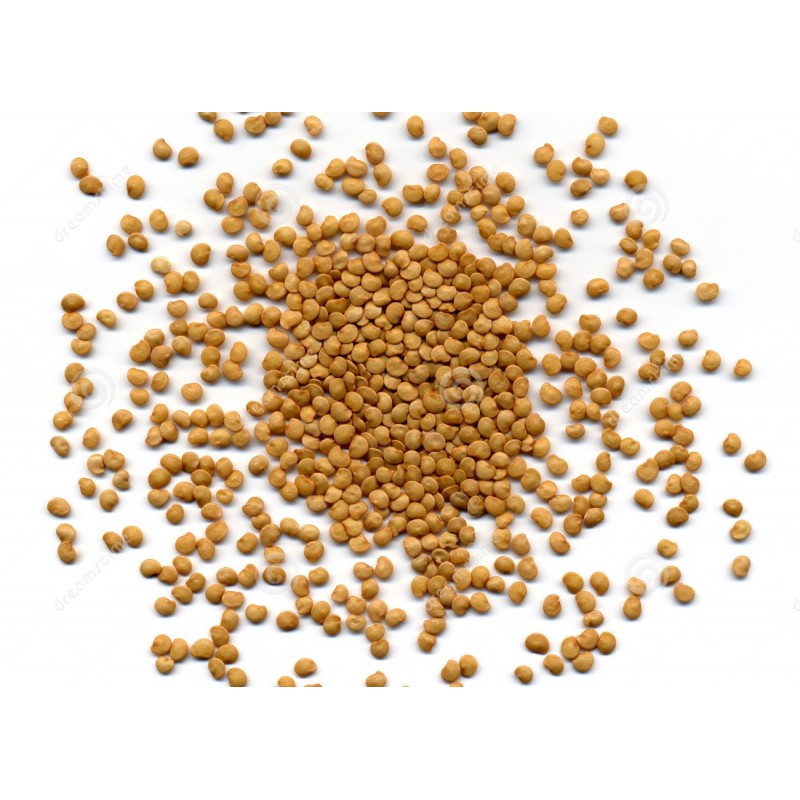
Topepo Red Pepper Seeds
New product
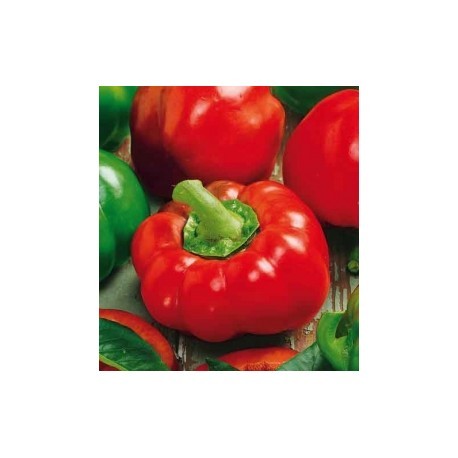
Globe-shaped, flattened fruits, smooth skin turning from green to intense red. Thick flesh, typical of southern Italy and Calabria.
100 Items
More info
- Topepo Red Pepper
- The Topepo Red Pepper Plant
- How to Sow Topepo Red Pepper
- How to Grow Topepo Red Pepper
- Tips for Growing Topepo Red Pepper
- Diseases and Pests of the Topepo Red Pepper
- Properties of the Topepo Red Pepper
- Nutritional Values of the Topepo Red Pepper (per 100 g)
Topepo Red Pepper
The Topepo Red Pepper is the twin of the yellow variety: it produces globe-shaped, flattened fruits, with smooth skin showing slight grooves, turning from green to intense red at full maturity. The flesh is thick and of excellent organoleptic quality.
The Topepo Red Pepper Plant
Its botanical name is Capsicum annuum, belonging to the Solanaceae family. The plant has medium-high vigor and good leaf coverage, which protects the fruits from sunscald.
It is a typical variety widely grown in southern Italy, particularly in Calabria, where it has been cultivated for generations.
How to Sow Topepo Red Pepper
Protected sowing takes place between February and March, while transplanting occurs between spring and early summer, once night temperatures are stable.
How to Grow Topepo Red Pepper
The Topepo Red Pepper prefers fertile, well-irrigated soil in a sunny position. It is suitable for both greenhouse and open field cultivation. Harvest begins about 8-10 weeks after transplanting and continues in stages, with an average yield of 0.8-1.2 kg of fruit per plant.
The fruit should preferably be harvested during the color-turning stage, when it is still particularly crisp and retains good turgor even after picking; once harvested, it keeps for 20-30 days at 0°C.
Tips for Growing Topepo Red Pepper
High temperatures (30-35°C), especially combined with strong ventilation, can favor flower drop and fruit deformation. Regular irrigation is important to avoid water imbalances that promote blossom end rot.
Diseases and Pests of the Topepo Red Pepper
Like other pepper varieties, it can be subject to attacks by aphids and red spider mites, controllable with natural garlic or nettle macerates, and to root rot in case of prolonged waterlogging. Good soil drainage and crop rotation, avoiding repeated Solanaceae cultivation on the same plot for several consecutive years, are important preventive measures.
Properties of the Topepo Red Pepper
The Topepo Red Pepper is very rich in vitamin A and C, with natural antioxidant properties. It is widely used in Calabrian cuisine for frying, stuffing, pickling, and in the preparation of typical sauces and cured meats.
Nutritional Values of the Topepo Red Pepper (per 100 g)
- Calories: 31 kcal
- Protein: 1 g
- Fat: 0.3 g
- Carbohydrates: 6 g
- Fiber: 2.1 g
- Vitamin C: 128 mg
- Potassium: 211 mg