

No products
Radicchio seeds
-
Semi ortaggi
-
Summer vegetables seeds
- Garlic seeds
- Watermelon seeds
- Asparagus seeds
- Chili seeds
- Beet seeds
- Basil seeds
- Chard seeds
- Cabbage seeds
- Onion seeds
- Carrot seeds
- artichoke seeds
- Cucumber seeds
- Strawberry seeds
- Bean and green bean seeds
- Broad bean seeds
- Lettuce seeds
- Corn seed
- Eggplant seeds
- Melon seeds
- Okra seeds
- Tomato seeds
- Pea seeds
- Leek seeds
- Pepper seeds
- Radish seeds
- Arugula seeds
- Shallot seeds
- Celery seeds
- Spinach seeds
- Valerian seeds
- Pumpkin seeds
- Courgette seeds
-
Winter vegetables seeds
- broccoli seeds
- cauliflower seeds
- semi di cavolo
- fennel seeds
- Semi di lattuga
- chicory seeds
- Radicchio seeds
- Rocket seeds
- Chard and Beet Seeds
- Escarole Seeds
- Onion Seeds
- Basil Seeds
- Chard Seeds
- Artichoke Seeds
- Carrot Seeds
- Cucumber Seeds
- Bean Seeds
- Endive Seeds
- Leek Seeds
- Parsley Seeds
- Celery Seeds
- Spinach Seeds
- Valerian Seeds
-
Summer vegetables seeds
- Peperoncino secco
- Peperoncino in polvere
- Semi piante aromatiche
- Prati e tappeti erbosi
- Semi fiori ornamentali
- Fertilizzanti
- Fertilizzante solido
- Spezie
- eBook
- Bulbi
- Starter kit / Micro orto
- Idea regalo / Bomboniere
- Patate e tuberi da semina
- Buoni regalo digitali
- TEST posizioni
 View larger
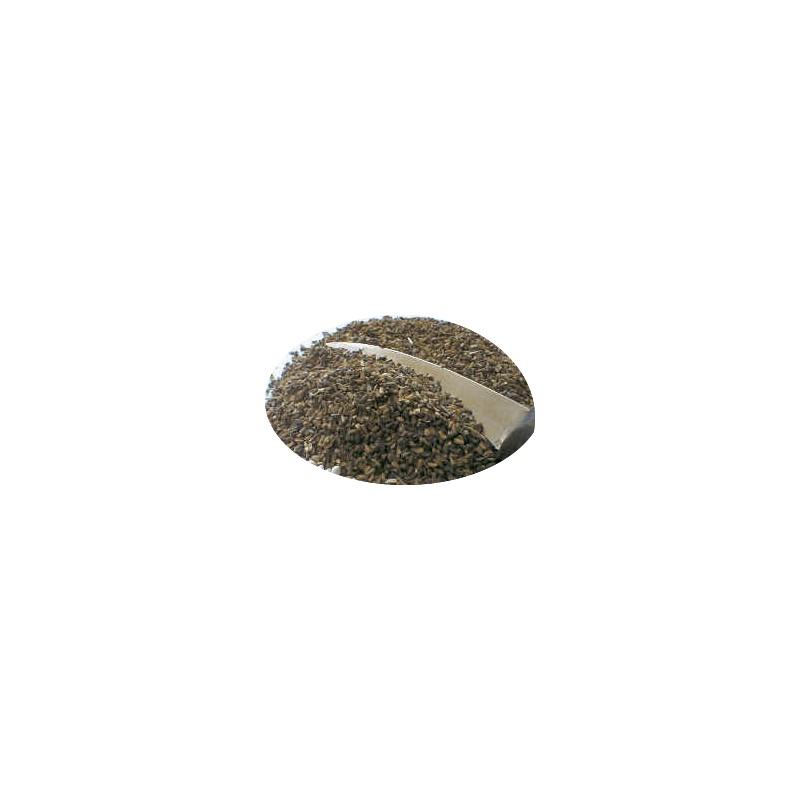
Early Treviso Radicchio Seeds
New product
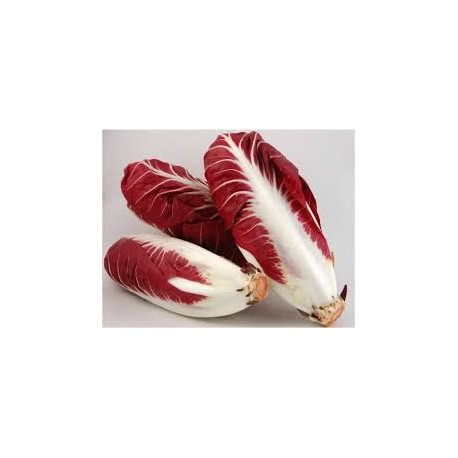
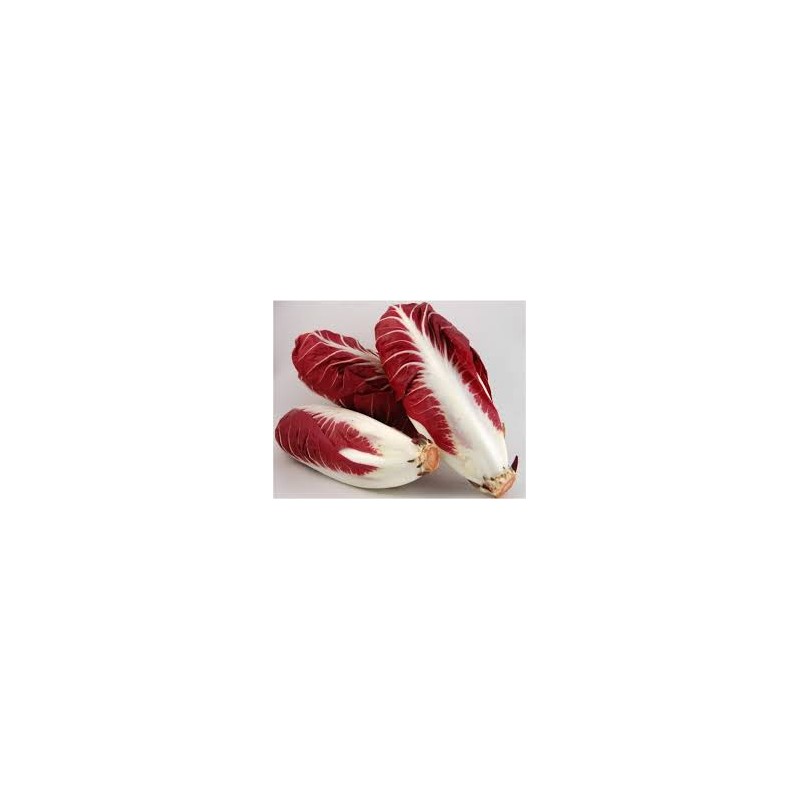
[Cichorium intybus] Early Treviso radicchio seeds, the field-matured phenotype of Treviso's famous PGI red radicchio with broad, deep red-violet leaves.
100 Items
More info
- Early Treviso Radicchio
- The early Treviso radicchio Plant
- How to Sow Early Treviso Radicchio
- How to Grow Early Treviso Radicchio
- Tips for Growing Early Treviso Radicchio
- Diseases and Pests of Early Treviso Radicchio
- Properties and Nutritional Values
Early Treviso Radicchio
The early Treviso radicchio is, together with the more famous late type, one of the two historic phenotypes of the PGI red radicchio of Treviso, a flagship of Veneto agriculture. Compared to the late type it has broader leaves, a slightly more bitter taste and a simpler production process, since it matures entirely in the field without needing water forcing.
The early Treviso radicchio Plant
It belongs to the species Cichorium intybus, family Asteraceae. It forms a long, voluminous head, with leaves branching out from a clearly visible white central rib, reaching an intense, uniform dark red-violet colour at maturity.
How to Sow Early Treviso Radicchio
Sowing or transplanting takes place in the summer months, generally by the end of July, for a maturation that occurs entirely in the open field during autumn. It can be grown in a seedbed with subsequent transplanting or sown directly in the field, with a recommended spacing of 30-35 cm between seedlings, arranged in a quincunx pattern.
How to Grow Early Treviso Radicchio
It prefers medium-textured, nitrogen-rich soil, non-clayey and well-drained, to avoid root rot; it nonetheless tolerates fairly modest water amounts reasonably well. Horse manure and compost are recommended as fertiliser. At the end of summer, the heads are often tied to encourage further maturation and a first, natural blanching.
Tips for Growing Early Treviso Radicchio
Harvest generally takes place from September onwards, removing damaged leaves and cutting the roots. A good indicator of full maturity is the absence of green traces on the white central rib: if green is still present, the head has not completed its cycle.
Diseases and Pests of Early Treviso Radicchio
The main issues are powdery mildew, downy mildew and root rot, favoured especially by poorly drained soils or the presence of gravel that hinders root development. Good soil structure and balanced watering significantly reduce these risks.
Properties and Nutritional Values
Like other chicories, it is rich in minerals and vitamins, with digestive and depurative properties valued in Veneto tradition. Its slightly bitter taste makes it ideal both raw in salads and grilled or pan-sautéed, featuring in numerous autumn and winter dishes.
| Average nutritional values (100 g) | |
|---|---|
| Energy | 13 kcal |
| Protein | 1.4 g |
| Carbohydrates | 1.7 g |
| Fibre | 1.5 g |
| Vitamin C | 6 mg |
| Potassium | 230 mg |