

No products
Radicchio seeds
-
Semi ortaggi
-
Summer vegetables seeds
- Garlic seeds
- Watermelon seeds
- Asparagus seeds
- Chili seeds
- Beet seeds
- Basil seeds
- Chard seeds
- Cabbage seeds
- Onion seeds
- Carrot seeds
- artichoke seeds
- Cucumber seeds
- Strawberry seeds
- Bean and green bean seeds
- Broad bean seeds
- Lettuce seeds
- Corn seed
- Eggplant seeds
- Melon seeds
- Okra seeds
- Tomato seeds
- Pea seeds
- Leek seeds
- Pepper seeds
- Radish seeds
- Arugula seeds
- Shallot seeds
- Celery seeds
- Spinach seeds
- Valerian seeds
- Pumpkin seeds
- Courgette seeds
-
Winter vegetables seeds
- broccoli seeds
- cauliflower seeds
- semi di cavolo
- fennel seeds
- Semi di lattuga
- chicory seeds
- Radicchio seeds
- Rocket seeds
- Chard and Beet Seeds
- Escarole Seeds
- Onion Seeds
- Basil Seeds
- Chard Seeds
- Artichoke Seeds
- Carrot Seeds
- Cucumber Seeds
- Bean Seeds
- Endive Seeds
- Leek Seeds
- Parsley Seeds
- Celery Seeds
- Spinach Seeds
- Valerian Seeds
-
Summer vegetables seeds
- Peperoncino secco
- Peperoncino in polvere
- Semi piante aromatiche
- Prati e tappeti erbosi
- Semi fiori ornamentali
- Fertilizzanti
- Fertilizzante solido
- Spezie
- eBook
- Bulbi
- Starter kit / Micro orto
- Idea regalo / Bomboniere
- Patate e tuberi da semina
- Buoni regalo digitali
- TEST posizioni
 View larger
Late Treviso Radicchio Seeds
New product
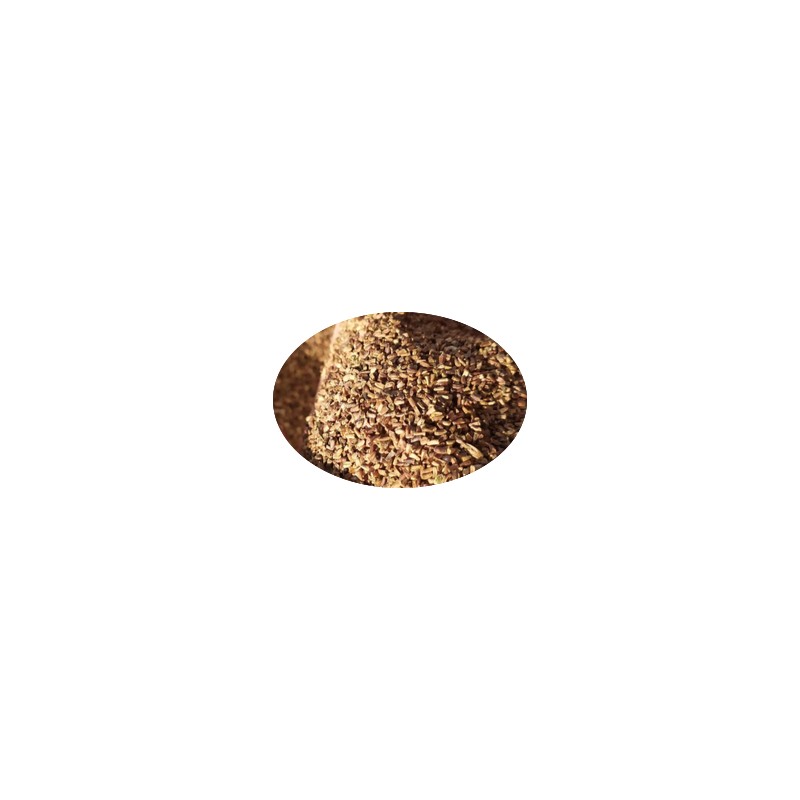
[Cichorium intybus] Late Treviso radicchio seeds, Veneto's most prized PGI chicory, water-forced into a sweet, crunchy wine-red heart.
97 Items
More info
- Late Treviso Radicchio
- The late Treviso radicchio Plant
- How to Sow Late Treviso Radicchio
- How to Grow Late Treviso Radicchio
- Tips for Growing Late Treviso Radicchio
- Diseases and Pests of Late Treviso Radicchio
- Properties and Nutritional Values
Late Treviso Radicchio
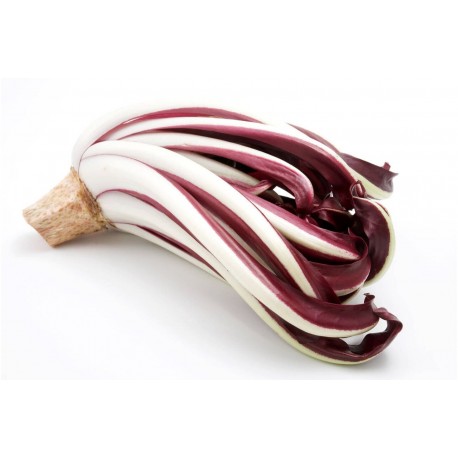
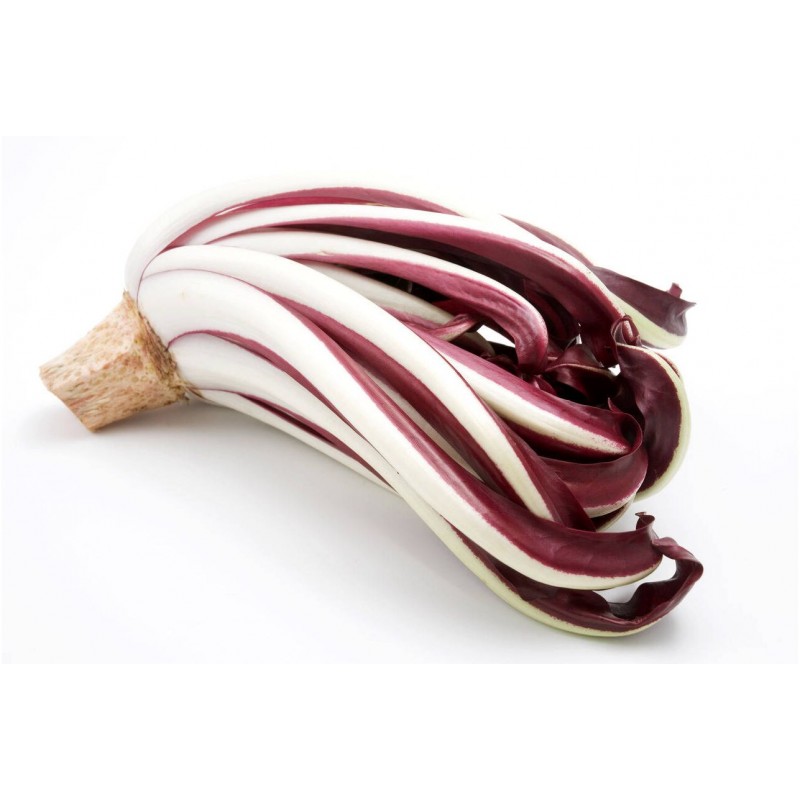
Considered the "prince" or "winter flower" of Treviso, the PGI late radicchio is the most prized and sought-after chicory in all of Veneto. Unlike the early type, it owes its uniqueness to a long, careful production process that includes water forcing, capable of turning green leaves into a wine-red, sweet and crunchy heart.
The late Treviso radicchio Plant
It belongs to the species Cichorium intybus, family Asteraceae. It has long, tapered leaves, thickened, fleshy roots highly valued in cooking, a white central rib and, after forcing, leaves of an intense red-violet colour. The historic growing area, protected by PGI status since 1996, spans 24 municipalities across the provinces of Treviso, Venice and Padua.
How to Sow Late Treviso Radicchio
Sowing or field transplanting generally takes place between mid-July and mid-August, with seedlings bought from trusted local nurseries following tradition. Many growers select and reproduce their own seed, passed down through families, to preserve the specific varietal traits of each farm.
How to Grow Late Treviso Radicchio
The ideal soil is medium-textured and nitrogen-rich, non-clayey and well-drained, to avoid rot; the Treviso area is naturally favoured by spring water rising from the Dolomites, a key element for growth. With the arrival of autumn cold, the plant is harvested with its roots and moved to the forcing stage.
Tips for Growing Late Treviso Radicchio
The defining stage is forcing in tanks of cold water for 10-15 days: the mild water temperature encourages regrowth, but the absence of light prevents chlorophyll production, giving rise to the typical wine-red colour and softening the bitter notes. Final trimming follows, discarding the outer part of the head (often over 70%) to obtain the product ready for sale.
Diseases and Pests of Late Treviso Radicchio
The main issues are root rot in poorly drained or waterlogged soils, plus powdery and downy mildew on the field leaves. Well-structured soil free of gravel, which could hinder root development, significantly reduces these risks.
Properties and Nutritional Values
Rich in minerals and vitamins, it has a distinctive sweet-and-sour taste, softened precisely by the forcing process. It is mainly eaten cooked, featuring in risottos, pasta dishes and side dishes of Veneto's winter tradition, though it also works well raw in salads.
| Average nutritional values (100 g) | |
|---|---|
| Energy | 13 kcal |
| Protein | 1.4 g |
| Carbohydrates | 1.7 g |
| Fibre | 1.5 g |
| Vitamin C | 6 mg |
| Potassium | 230 mg |