

No products
Rocket seeds
-
Semi ortaggi
-
Summer vegetables seeds
- Garlic seeds
- Watermelon seeds
- Asparagus seeds
- Chili seeds
- Beet seeds
- Basil seeds
- Chard seeds
- Cabbage seeds
- Onion seeds
- Carrot seeds
- artichoke seeds
- Cucumber seeds
- Strawberry seeds
- Bean and green bean seeds
- Broad bean seeds
- Lettuce seeds
- Corn seed
- Eggplant seeds
- Melon seeds
- Okra seeds
- Tomato seeds
- Pea seeds
- Leek seeds
- Pepper seeds
- Radish seeds
- Arugula seeds
- Shallot seeds
- Celery seeds
- Spinach seeds
- Valerian seeds
- Pumpkin seeds
- Courgette seeds
-
Winter vegetables seeds
- broccoli seeds
- cauliflower seeds
- semi di cavolo
- fennel seeds
- Semi di lattuga
- chicory seeds
- Radicchio seeds
- Rocket seeds
- Chard and Beet Seeds
- Escarole Seeds
- Onion Seeds
- Basil Seeds
- Chard Seeds
- Artichoke Seeds
- Carrot Seeds
- Cucumber Seeds
- Bean Seeds
- Endive Seeds
- Leek Seeds
- Parsley Seeds
- Celery Seeds
- Spinach Seeds
- Valerian Seeds
-
Summer vegetables seeds
- Peperoncino secco
- Peperoncino in polvere
- Semi piante aromatiche
- Prati e tappeti erbosi
- Semi fiori ornamentali
- Fertilizzanti
- Fertilizzante solido
- Spezie
- eBook
- Bulbi
- Starter kit / Micro orto
- Idea regalo / Bomboniere
- Patate e tuberi da semina
- Buoni regalo digitali
- TEST posizioni
 View larger
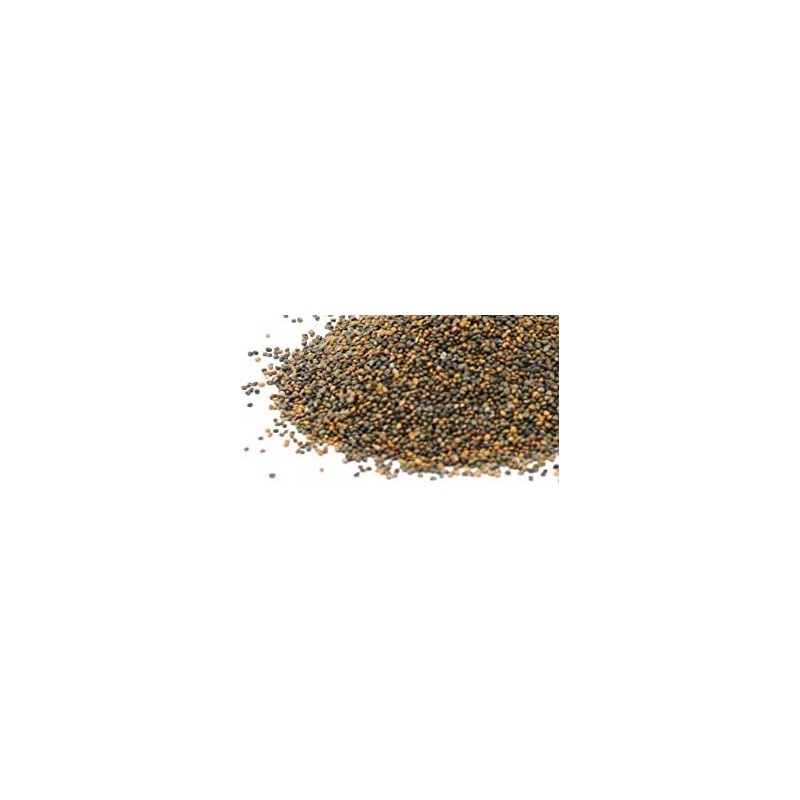
Cultivated Rocket Seeds
New product
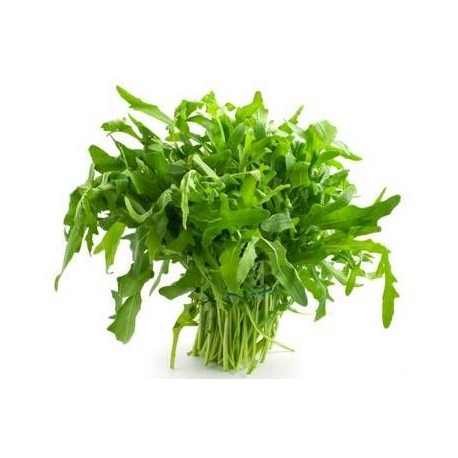
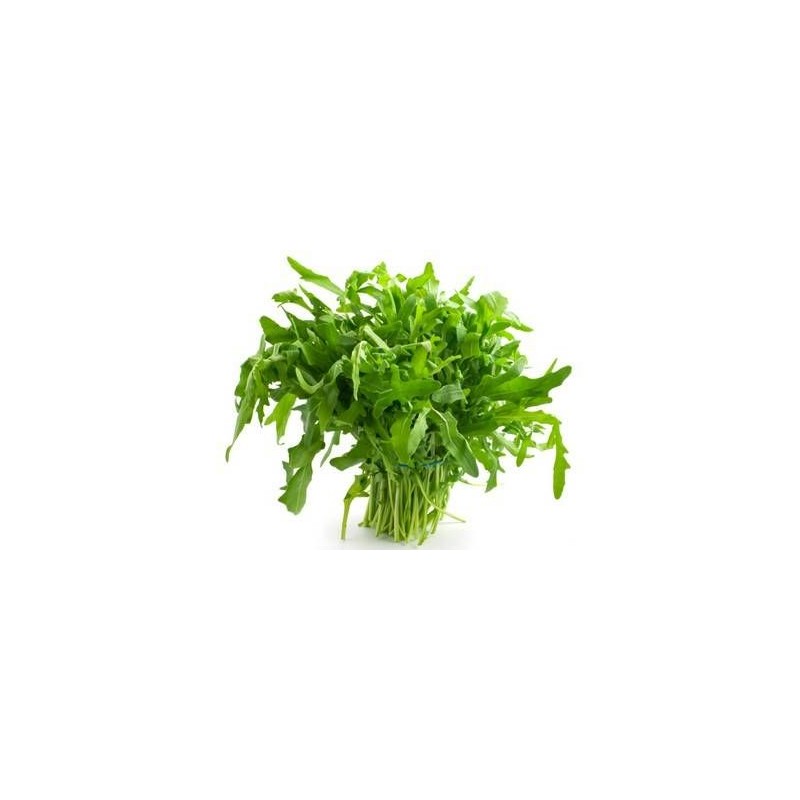
[Eruca sativa] Cultivated rocket seeds, fast-growing and easy to grow, with rounded leaves and a peppery taste milder than wild rocket.
99 Items
More info
- Cultivated Rocket
- The cultivated rocket Plant
- How to Sow Cultivated Rocket
- How to Grow Cultivated Rocket
- Tips for Growing Cultivated Rocket
- Diseases and Pests of Cultivated Rocket
- Properties and Nutritional Values
Cultivated Rocket
Cultivated rocket, or salad rocket, is the most widely grown leafy green in Italian cooking, valued for its fast growth and peppery yet milder taste compared to its wild cousin. Perfect for the garden or a pot, it lends itself to continuous harvests thanks to its short cycle and ease of cultivation.
The cultivated rocket Plant
Botanically it is Eruca sativa (or Eruca vesicaria), family Brassicaceae. Unlike wild rocket, which is perennial, cultivated rocket is an annual herbaceous plant: after producing seed it completes its life cycle. The leaves are rounded, larger and softer to the bite than the narrow, deeply lobed leaves of the wild type; the flowers have whitish-yellow petals with brown veining.
How to Sow Cultivated Rocket
Sowing is done broadcast or in rows, a few millimetres deep, practically all year round in temperate climates, with the best windows in spring and early autumn to avoid extreme temperatures. Thanks to its very short cycle, the first leaves are ready for cutting after just 3-4 weeks from sowing.
How to Grow Cultivated Rocket
It grows well in cool, well-drained soil rich in organic matter, with sunny or partially shaded exposure during the hottest months. It is a very adaptable plant, cold-resistant and suited both to open-field cultivation and to pots on a balcony, requiring regular watering without waterlogging.
Tips for Growing Cultivated Rocket
To keep the leaves tender and well-balanced in flavour, it is advisable to cut-harvest before flowering, carrying out staggered sowings every 2-3 weeks to ensure a continuous supply. After each cut the plant can regrow new leaves, extending production for several weeks.
Diseases and Pests of Cultivated Rocket
The main enemy of cultivated rocket is the flea beetle, a small beetle that leaves characteristic tiny holes on young leaves; root rot in waterlogged conditions and aphid attacks in warmer seasons are also possible. Good crop rotation helps prevent these problems.
Properties and Nutritional Values
It is rich in water and low in fat, ideal for low-calorie diets, with a good calcium content, useful for those needing to boost their intake. It also contains vitamins A, C and K, plus sulphur compounds with antioxidant properties, making it perfect raw in salads and as a garnish for main courses.
| Average nutritional values (100 g) | |
|---|---|
| Energy | 25 kcal |
| Protein | 2.6 g |
| Carbohydrates | 2.1 g |
| Fibre | 1.6 g |
| Vitamin C | 15 mg |
| Calcium | 160 mg |