

No products
Tomato seeds
-
Semi ortaggi
-
Summer vegetables seeds
- Garlic seeds
- Watermelon seeds
- Asparagus seeds
- Chili seeds
- Beet seeds
- Basil seeds
- Chard seeds
- Cabbage seeds
- Onion seeds
- Carrot seeds
- artichoke seeds
- Cucumber seeds
- Strawberry seeds
- Bean and green bean seeds
- Broad bean seeds
- Lettuce seeds
- Corn seed
- Eggplant seeds
- Melon seeds
- Okra seeds
- Tomato seeds
- Pea seeds
- Leek seeds
- Pepper seeds
- Radish seeds
- Arugula seeds
- Shallot seeds
- Celery seeds
- Spinach seeds
- Valerian seeds
- Pumpkin seeds
- Courgette seeds
-
Winter vegetables seeds
- broccoli seeds
- cauliflower seeds
- semi di cavolo
- fennel seeds
- Semi di lattuga
- chicory seeds
- Radicchio seeds
- Rocket seeds
- Chard and Beet Seeds
- Escarole Seeds
- Onion Seeds
- Basil Seeds
- Chard Seeds
- Artichoke Seeds
- Carrot Seeds
- Cucumber Seeds
- Bean Seeds
- Endive Seeds
- Leek Seeds
- Parsley Seeds
- Celery Seeds
- Spinach Seeds
- Valerian Seeds
-
Summer vegetables seeds
- Peperoncino secco
- Peperoncino in polvere
- Semi piante aromatiche
- Prati e tappeti erbosi
- Semi fiori ornamentali
- Fertilizzanti
- Fertilizzante solido
- Spezie
- eBook
- Bulbi
- Starter kit / Micro orto
- Idea regalo / Bomboniere
- Patate e tuberi da semina
- Buoni regalo digitali
- TEST posizioni
 View larger
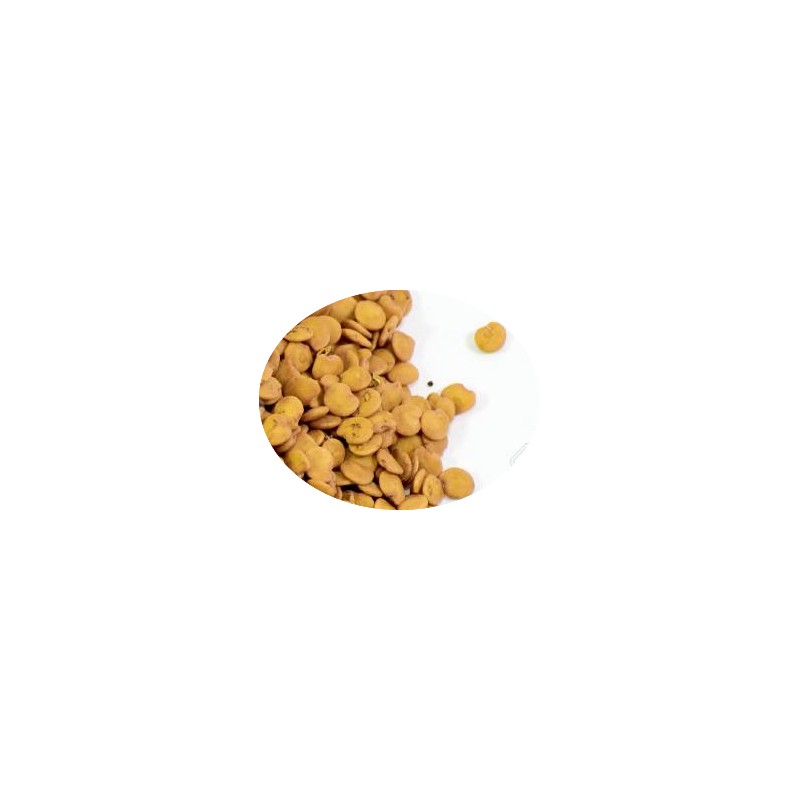
Ancient selection Casalino tomato seeds
New product
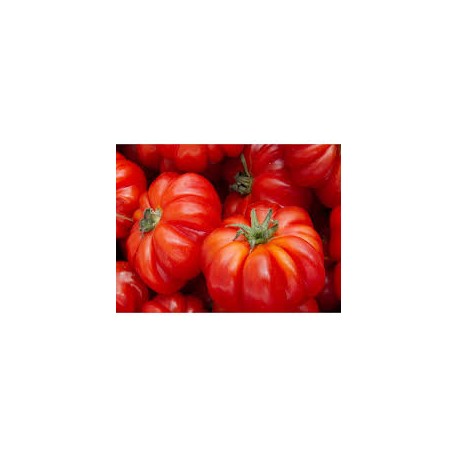
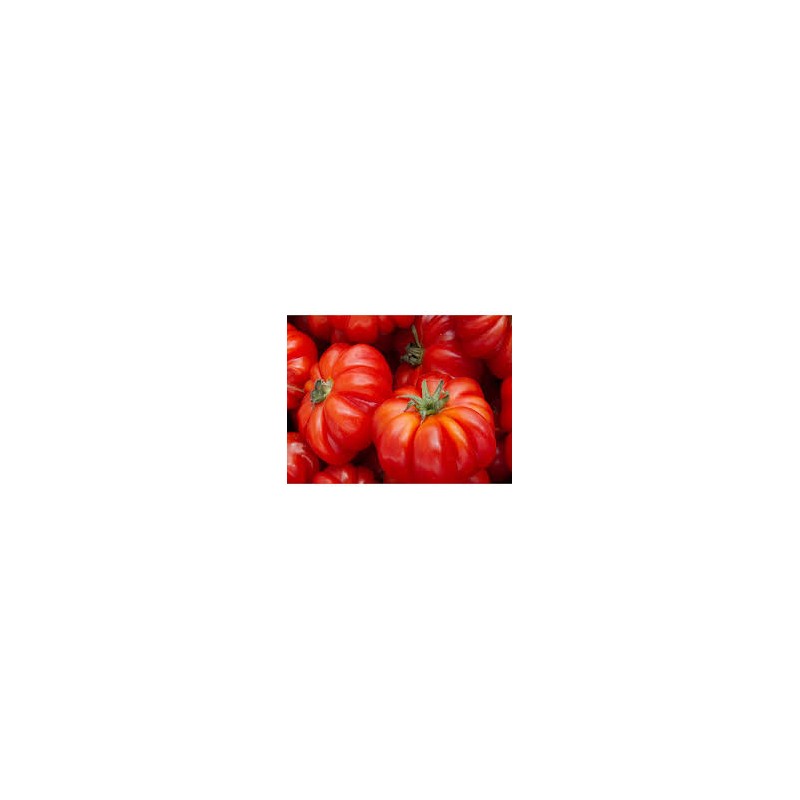
Typical of the Castelli Romani area, this tomato variety has a variable but mostly round, slightly flattened shape, turning bright red at full ripeness. Ideal for sauces and passata, it has a sweet and delicate flavour.
88 Items
More info
Origin and characteristics
The Casalino ancient selection tomato, also known as "spagnoletta", is a variety typical of the Castelli Romani area, widely grown around Rome and in the Lazio region. The fruits have a flattened, irregular shape with characteristic ruffled ridges, turning bright red at full ripeness. The flavour is sweet and delicate, ideal for traditional Lazio-style sauces and passata.
The plant
The plant is sturdy and well branched, reaching a height of 150-200 cm with good leaf coverage. The leaves are dark green, lobed and slightly hairy. The yellow flowers grow in clustered inflorescences. The fruits have a thin, smooth skin and a compact, aromatic flesh with few seeds, often showing a slight green shoulder.
Sowing and transplanting
Sow from February to March, indoors in seedbeds or in a heated greenhouse, using a soft, fertile, well-drained and moist potting soil. Scatter the seeds or sow in rows spaced 10-15 cm apart, covering with a thin layer of soil. Keep a steady temperature of 18-20°C and water regularly with lukewarm water. Transplant outdoors between April and May, once seedlings reach 10-15 cm in height with at least 4-5 true leaves.
Growing
Casalino tomatoes thrive in well-worked, fertile, well-drained soil in a sunny spot. Watering should be regular but moderate, avoiding waterlogging. As the plant grows, support it with stakes or cages, tying it gently. Harvest generally takes place from July to September, once the fruits have reached full red colour.
Useful tips
For successful growing, avoid rotating with other nightshades (potatoes, aubergines, peppers), favour a potassium-rich fertiliser over nitrogen, and regularly remove side shoots and diseased or lower leaves. Watering without wetting the foliage helps prevent many fungal diseases.
Diseases and pests
Like many tomato varieties, Casalino can be affected by alternaria, downy mildew and powdery mildew, especially in humid conditions. Common pests include aphids, tuta absoluta and spider mites. Preventive copper-based treatments and proper crop rotation help reduce the risk.
Culinary uses
Thanks to its flavourful flesh, the Casalino tomato is perfect for sauces, passata and preserves in the Lazio tradition. It is also enjoyed halved, grilled or oven-baked with garlic, parsley and extra virgin olive oil, following the classic Roman recipe.
Quick facts
- Botanical name: Solanum lycopersicum
- Sowing: February - March (seedbed)
- Transplanting: April - May
- Harvest: July - September
- Plant height: 150-200 cm
- Exposure: full sun