

No products
Watermelon seeds
-
Semi ortaggi
-
Summer vegetables seeds
- Garlic seeds
- Watermelon seeds
- Asparagus seeds
- Chili seeds
- Beet seeds
- Basil seeds
- Chard seeds
- Cabbage seeds
- Onion seeds
- Carrot seeds
- artichoke seeds
- Cucumber seeds
- Strawberry seeds
- Bean and green bean seeds
- Broad bean seeds
- Lettuce seeds
- Corn seed
- Eggplant seeds
- Melon seeds
- Okra seeds
- Tomato seeds
- Pea seeds
- Leek seeds
- Pepper seeds
- Radish seeds
- Arugula seeds
- Shallot seeds
- Celery seeds
- Spinach seeds
- Valerian seeds
- Pumpkin seeds
- Courgette seeds
-
Winter vegetables seeds
- broccoli seeds
- cauliflower seeds
- semi di cavolo
- fennel seeds
- Semi di lattuga
- chicory seeds
- Radicchio seeds
- Rocket seeds
- Chard and Beet Seeds
- Escarole Seeds
- Onion Seeds
- Basil Seeds
- Chard Seeds
- Artichoke Seeds
- Carrot Seeds
- Cucumber Seeds
- Bean Seeds
- Endive Seeds
- Leek Seeds
- Parsley Seeds
- Celery Seeds
- Spinach Seeds
- Valerian Seeds
-
Summer vegetables seeds
- Peperoncino secco
- Peperoncino in polvere
- Semi piante aromatiche
- Prati e tappeti erbosi
- Semi fiori ornamentali
- Fertilizzanti
- Fertilizzante solido
- Spezie
- eBook
- Bulbi
- Starter kit / Micro orto
- Idea regalo / Bomboniere
- Patate e tuberi da semina
- Buoni regalo digitali
- TEST posizioni
 View larger

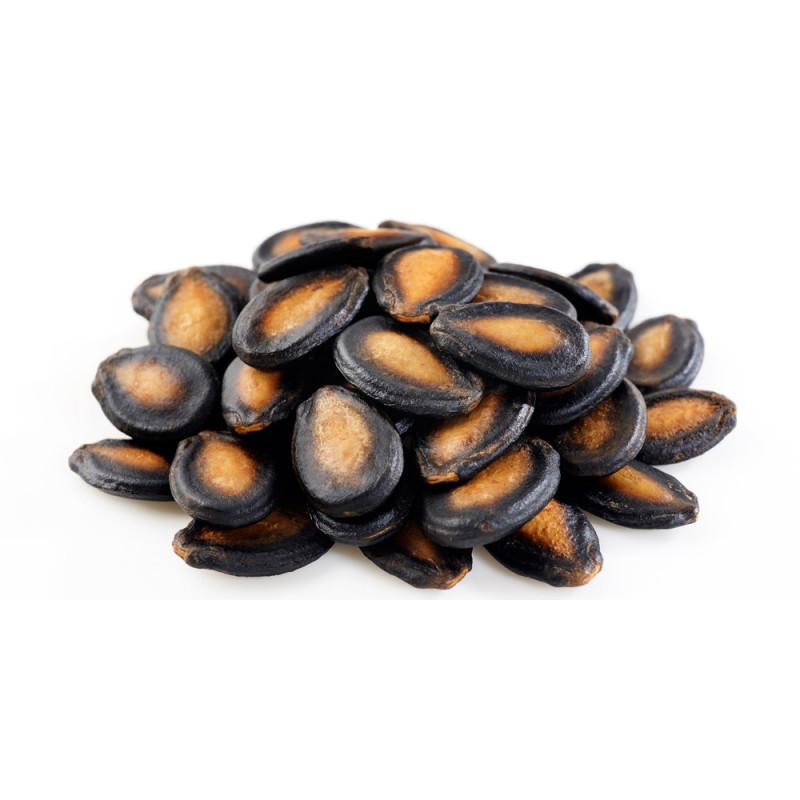
Yellow Crown Watermelon
New product
A high-yielding, continuously producing plant with fruits reaching up to 6 kg; the rind shows glossy, bright striping while the flesh inside is yellow and sweet-tasting.
More info
- Yellow Crown Watermelon Seeds
- The Yellow Crown watermelon plant
- How to sow Yellow Crown watermelon
- How to grow Yellow Crown watermelon
- Tips for growing Yellow Crown watermelon
- Diseases and pests of Yellow Crown watermelon
- Properties of Yellow Crown watermelon
- Nutritional values of Yellow Crown watermelon (per 100 g)
Yellow Crown Watermelon Seeds
Yellow Crown watermelon seeds produce a striking variety with golden, sweet and crunchy flesh, perfect for gardeners who want something different from the classic red-fleshed watermelon. The name "Crown" reflects the glossy, brightly striped rind that crowns generously sized, well-formed fruits. It's an excellent choice for anyone wanting to surprise guests with an unusual-looking summer fruit that still shares the same easy cultivation as traditional watermelons.
The Yellow Crown watermelon plant
This is a cucurbit (Citrullus lanatus) with a trailing, vine-like habit, sending out thin, flexible stems that can spread 2-3 meters across the ground. The leaves are large, lobed and slightly hairy, deep green in color, providing good shade for the developing fruit. The flowers are unisexual and yellow, appearing at the leaf axils and readily attracting pollinating insects.
The plant is known for continuous, steady production throughout the season, with fairly high yields compared to other varieties. Fruits can reach an impressive weight of up to 6 kg, and are easily recognized by their glossy, bright striped green rind, while inside they reveal the signature yellow flesh, sweet in taste and pleasantly crunchy in texture.
How to sow Yellow Crown watermelon
Sowing takes place in spring, roughly from March to May depending on the climate zone: in a protected seedbed in colder areas to get a head start, or directly in the open field from April where the weather already allows it. Seeds should be buried about 2-3 cm deep, spaced at least 50-60 cm apart if sown directly in the ground, or one to two per pot if starting in containers for later transplanting. Keep the soil moist but never waterlogged until germination, which usually occurs within 7-10 days at temperatures between 24 and 30°C.
How to grow Yellow Crown watermelon
Yellow Crown watermelon thrives in warm, sunny conditions, with an ideal temperature range of 20-35°C: below 14°C growth slows noticeably and yields can suffer. The ideal soil is sandy or well-draining, fertile and enriched with compost or well-rotted manure before planting, to give the plant the nutrient reserves it needs to support fruit development. Plants should be spaced at least one meter apart, with rows about two meters apart, to allow room for the sprawling vines.
Watering should be regular and generous during vegetative growth and fruit swelling, while avoiding waterlogging, which encourages root rot. As the fruit approaches ripeness, gradually reducing watering helps concentrate sugars in the flesh, making the fruit even sweeter. Harvest by cutting the fruit with a sharp knife, leaving a small piece of stem attached to help it keep longer.
Tips for growing Yellow Crown watermelon
Given how large the fruit can become, it's a good idea to place a support (straw, a board or netting) under each developing watermelon to avoid direct contact with damp soil and reduce the risk of rot. In smaller gardens, light pruning to control vine growth helps concentrate the plant's energy on fewer fruits, favoring larger sizes. Protecting young seedlings from spring temperature swings with row covers or tunnels is always good practice in areas with unpredictable weather.
Diseases and pests of Yellow Crown watermelon
Like all cucurbits, Yellow Crown watermelon can be affected by powdery mildew and downy mildew, both favored by excess humidity and poor air circulation: spacing plants well and watering at the base rather than the foliage helps prevent them. Common pests include aphids and spider mites, which can be managed with regular checks and, if needed, treatments based on potassium soap or neem oil. Crop rotation is also useful, avoiding replanting cucurbits in the same soil for at least 3-4 years to prevent the buildup of soil-borne pathogens.
Properties of Yellow Crown watermelon
The yellow flesh of Crown watermelon is almost entirely made up of water, making it an extremely hydrating and refreshing fruit, ideal on hot days. It is naturally low in calories and fat-free, while providing simple sugars that explain its sweet taste and quick energy boost. It also contains lycopene and beta-carotenoids typical of cucurbits, along with a fair amount of vitamin C and potassium, useful for the body's fluid balance, especially in summer.
Nutritional values of Yellow Crown watermelon (per 100 g)
- Calories: 30 kcal
- Protein: 0.6 g
- Fat: 0.2 g
- Carbohydrates: 7.5 g
- Fiber: 0.4 g
- Vitamin C: 8 mg
- Potassium: 112 mg