No products
Categories
-
Semi ortaggi
-
Summer vegetables seeds
- Garlic seeds
- Watermelon seeds
- Asparagus seeds
- Chili seeds
- Beet seeds
- Basil seeds
- Chard seeds
- Cabbage seeds
- Onion seeds
- Carrot seeds
- artichoke seeds
- Cucumber seeds
- Strawberry seeds
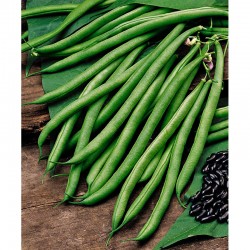
- Bean and green bean seeds
- Broad bean seeds
- Lettuce seeds
- Corn seed
- Eggplant seeds
- Melon seeds
- Okra seeds
- Tomato seeds
- Pea seeds
- Leek seeds
- Pepper seeds
- Radish seeds
- Arugula seeds
- Shallot seeds
- Celery seeds
- Spinach seeds
- Valerian seeds
- Pumpkin seeds
- Courgette seeds
-
Winter vegetables seeds
- broccoli seeds
- cauliflower seeds
- semi di cavolo
- fennel seeds
- Semi di lattuga
- chicory seeds
- Radicchio seeds
- Rocket seeds
- Chard and Beet Seeds
- Escarole Seeds
- Onion Seeds
- Basil Seeds
- Chard Seeds
- Artichoke Seeds
- Carrot Seeds
- Cucumber Seeds
- Bean Seeds
- Endive Seeds
- Leek Seeds
- Parsley Seeds
- Celery Seeds
- Spinach Seeds
- Valerian Seeds
-
Summer vegetables seeds
- Peperoncino secco
- Peperoncino in polvere
- Semi piante aromatiche
- Prati e tappeti erbosi
- Semi fiori ornamentali
- Fertilizzanti
- Fertilizzante solido
- Spezie
- eBook
- Bulbi
- Starter kit / Micro orto
- Idea regalo / Bomboniere
- Patate e tuberi da semina
- Buoni regalo digitali
New products
-
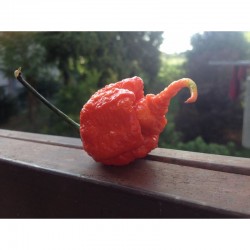
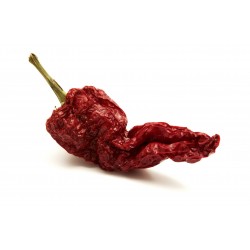
Carolina Reaper Pepper
[Capsicum chinense] Carolina Reaper Pepper seeds, the world-record-holding chili with up to 2.2 million Scoville Heat Units. Wrinkled red fruits, scorpion-tail tip, intense heat for hardcore chili lovers.
2,99 €In Stock -
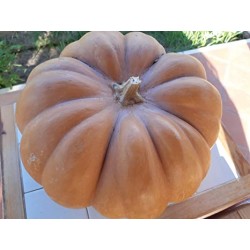
Semi zucca gialla moscata di Provenza
La zucca gialla moscata di Provenza ha una forma tondeggiante e leggermente schiacciato alle due estremità. Il frutto raggiunge un peso di circa 8 kg. La buccia è liscia e di colore arancione scuro e la polpa è arancione. È una varietà molto produttiva e di facile coltivazione. Il frutto predilige un'irrigazione continua. In cucina viene molto usato per...
0,90 €In Stock -
Semi zucca marina di Chioggia
La zucca marina di Chioggia è un frutto molto grosso e di forma tondeggiante, schiacciato ai lati ed è ricoperto di grosse escrescenze. La buccia è di colore verde scuro e la polpa di colore arancione. In cucina viene ampiamente utilizzato per la realizzazione degli gnocchi di zucca.
0,90 €In Stock -
Semi zucca lunga da pergola
La zucca lunga da pergola ha origini siciliane ed è una pianta rampicante appartenente alla famiglia delle Cucurbitacee. Il trapianto avviene tra i mesi di marzo e giugno. I frutti hanno una forma allungata (circa 40 cm di lunghezza) e sottile di colore verde.
0,90 €In Stock -
Semi di valeriana
La Valeriana è una pianta a fiore, appartenente alla famiglia delle Valerianacee. È una pianta vigorosa che cresce spontaneamente e molto resistente al freddo, infatti, può essere seminata fino alla fine di novembre.
0,90 €In Stock -
Semi di spinacio
Lo spinacio è una pianta erbacea della famiglia delle Amaranthaceae. Si tratta di una verdura semplice da coltivare, adatta sia alla coltivazione nell’orto domestico ma anche sul balcone in vaso. Lo spinacio cresce rapidamente e resiste molto bene al freddo.
0,90 €In Stock -
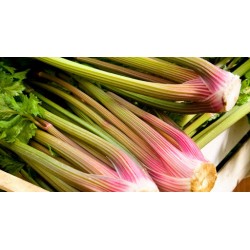
Semi sedano rosso
Il sedano rosso ha origini antichissime, fu importato nel 600 dalla Francia. Questa particolare varietà ha un caratteristico colore rosso alla base e ha un sapore molto dolce, pertanto è ampiamente utilizzato in cucina. La semina comincia a marzo/aprile, il trapianto a inizio estate e sono pronti per essere raccolti in autunno.
0,90 €In Stock -
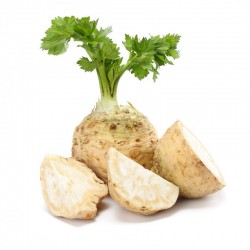
Semi sedano rapa
Il sedano rapa è un ortaggio molto diffuso in Italia. Nel periodo della seconda guerra mondiale veniva offerto agli ospiti. Il sedano rapa ha un ipocolito con molte radici attaccate e anche il suo gambo è commestibile. Il sedano rapa ha un aroma piuttosto forte, dovuto alla presenza di un olio essenziale.
0,90 €In Stock -
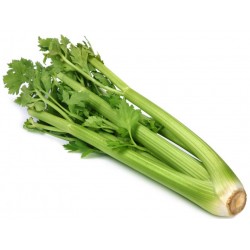
Semi di sedano
Il sedano è una specie erbacea biennale appartenente alla famiglia delle Apiaceae molto diffusa in quanto si tratta di una pianta sia spontanea sia coltivata. È un ortaggio ricco di minerali. Il ciclo della pianta è di circa 6-7 mesi.
0,90 €In Stock -
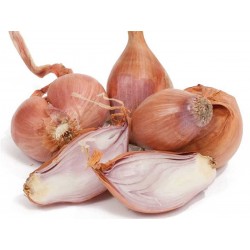
Semi di scalogno
Lo scalogno è una pianta erbacea delle Liliacee. Si tratta un ortaggio a bulbo, è una pianta di circa 20–30 cm di altezza, con foglie cilindriche. È molto utilizzato in cucina per insaporire i piatti e sostituisce spesso la cipolla.
0,90 €In Stock -
Semi di valeriana
La valeriana è conosciuta ed apprezzata per i suoi effetti rilassanti. Si contraddistingue per avere un fusto eretto e foglie a lamina di colore verde intenso.
0,99 €In Stock -
Semi di spinacio
Lo spinacio cresce vigoroso se irrigato costantemente, ma bisogna ricordare che non resiste molto alle alte temperature. È ricco di minerali, vitamine e ferro. Ha foglie non tanto grandi e verdi.
0,99 €In Stock -
Semi di sedano
Il sedano ha una simpatica forma ad ombrello e cresce bene con clima mite. Si contraddistingue per avere lunghi steli verdi , una base bianca e numerose foglie di colore verde brillante.
0,99 €In Stock -
Semi di prezzemolo
Il prezzemolo è indicato per la coltivazione in vaso, in serra o in campo aperto. Si contraddistingue per avere gambi verdi e sottili e numerose foglie verdi e frastagliate. Per il suo sapore e odore viene utilizzato per insaporire qualsiasi piatto.
0,99 €In Stock -
Semi di porro
Il porro ha le stesse caratteristiche dell'aglio e della cipolla. Grazie al suo sapore viene, infatti, usato spesso per preparare soffritti o per insaporire altri piatti. Inoltre ha un basso apporto calorico. Si contraddistingue per avere un esocarpo liscio, superficie e foglie verdi e base bianca.
0,99 €In Stock -
Semi di rucola coltivata
La rucola coltivata (Eruca sativa) è un’annuale con grandi foglie di colore verde ma con sapore meno acido. Può essere coltivata sia in vaso che in piena terra. La semina avviene da febbraio a ottobre. Viene utilizzata per donare freschezza a diversi piatti: insalate, salse, tramezzini, pizze.
0,90 €In Stock -
Semi di rucola selvatica
La rucola selvatica è una pianta erbacea annuale della famiglia delle Brassicacee. La coltivazione è facilissima: si semina sempre in campo o in vaso, da febbraio a maggio e da settembre a novembre. Ha un sapore leggermente acido ma è ricca di vitamina C.
0,90 €In Stock -
Semi di okra gombo
Il gombo è una specie appartenente alle Malvacee. È una varietà molto diffusa nel mondo orientale e nel sudamerica ma è originaria dell'Africa tropicale. È una pianta facile da coltivare pertanto può essere coltivata anche in casa all'interno di un vaso. È molto utilizzata nella cucina gourmet. Il baccello è considerato una verdura simile ai peperoncini...
0,90 €In Stock -
Semi ravanello "Marabelle"
Il ravanello "Marabelle" appartiene alla famiglia delle Brassicaceae. Si tratta di una pianta molto produttiva che produce ortaggi di forma tonda e di colore rosso e foglie di colore verde. La semina avviene tra i mesi di aprile e giugno. Questa varietà si adatta sia alla semina in serra che in campo aperto.
0,90 €In Stock -
Semi porro Conway
Il porro Conway è una varietà ibrida a ciclo medio. La pianta è molto grande e maestosa. Il porro ha radici di colore bianco e le foglie di colore verde. Questa varietà ha molto proprietà benefiche e viene spesso utilizzato per la preparazione di piatti dolci e deliziosi.
0,90 €In Stock -
Semi porro
Il porro è un ortaggio appartenente alla famiglia delle Liliaceae, è una pianta erbacea biennale. Ha un sapore simile a quello della cipolla, pertanto spesso viene utilizzato in cucina in sostituzione di quest'ultima. Ha un sapore dolce e delicato. La semina del porro può avvenire da febbraio a giugno.
0,90 €In Stock -
Semi di indivia riccia polo tardiva
La varietà dell'indivia riccia polo tardiva è molto rigogliosa. Ricca di vitamine e minerali, è perfetta per le insalate. Le foglie sono verde chiaro, grandi e croccanti e sprigionano un sapore leggermente amaro.
0,99 €In Stock -
Semi di indivia riccia Silva
La varietà dell'indivia riccia Silva si contraddistingue per un cespo sferico, compatto e con numerose piccole foglie verde brillante. Il terreno ideale per la coltivazione deve essere fertile e ben permeabile e dopo circa 70 giorni dal trapianto, lindivia può essere raccolta.
0,99 €In Stock -
Semi di fagiolino al burro rampicante Cobra
La varietà del fagiolino al burro rampicante Cobra, indicata sia per la coltivazione in serra che in campo aperto, è vigorosa e produttiva con baccelli, lunghi circa 20 cm, che si contraddistinguono per un colore verde brillante e una forma allungata.
0,99 €In Stock -
Semi di fagiolino al burro nano
La varietà del fagiolino al burro nano è vigorosa e produttiva con piante che raggiungono perfino i 40 cm. I baccelli, lunghi circa 14 cm, si contraddistinguono per un colore verde brillante e vivido e un esocarpo liscio, con all’interno piccoli semi piccoli bianchi.
0,99 €In Stock -
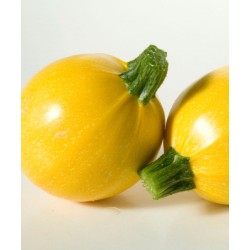
Semi di zucchino tondo giallo Floridor
Le zucchine Floridor sono una varietà ibrida molto vigorosa e produttiva. Il frutto ha una forma tondeggiante ed è di colore giallo. I semi sono adatti sia alla coltivazione in serra che in campo aperto. È consigliabile evitare la coltivazione in periodi troppo caldi.
0,90 €In Stock -
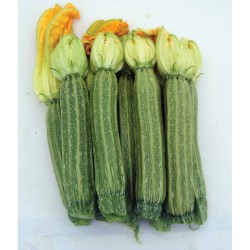
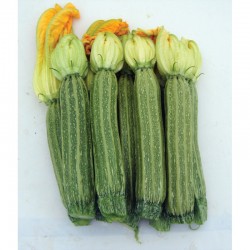
Semi zucchino Fiesole
Si tratta di una varietà molto produttiva a ciclo precoce che può essere coltivata sia in serra che in campo aperto. Essendo una varietà romana, presenta tutte le sue tipiche caratteristiche: la zucchina ha una forma allungata e cilindrica ed è di colore verde con costolature verde scuro, all'apice c'è il fiore di zucchina di colore giallo.
0,90 €In Stock -
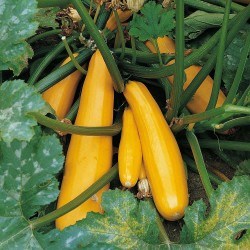
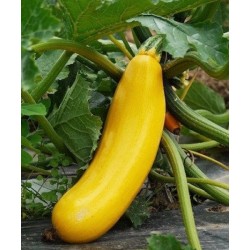
Semi di zucchino giallo Parador
Le zucchine gialle Parador sono una varietà molto produttiva e vigorosa. La pianta produce zucchine dalla forma allungata e dal colore giallo acceso. Le zucchine hanno un sapore più superbo rispetto alle tipiche zucchine. I semi possono essere coltivati sia in campo che in serra.
0,90 €In Stock -
Semi di zucchino romano Iseo
Si tratta di una tipica varietà romana. I frutti, quindi, hanno una forma allungata e sono di colore verde con costolature verde più scuro. È una pianta molto vigorosa e produttiva. È molto apprezzata per le sue qualità organolettiche. Si adatta sia alla coltivazione in serra che in campo aperto.
0,90 €In Stock -
Semi di zucchino trombetta d'Albenga
Le zucchine trombetta d'Albenga sono una specie erbacea annuale tipiche della Liguria. Questa varietà ha una forma particolare: hanno una forma attorcigliata, sottile e di colore verde. Quando sono pienamente mature possono essere raccolte come zucche, altrimenti come zucchine.
0,90 €In Stock -
Semi zucchino romano Nettuno
Si tratta di una varietà costulata con fiore adatta sia alla coltivazione in serra che in campo aperto. La pianta è molto produttiva e produce zucchine di forma allungata e dal sapore dolce.
0,90 €In Stock -
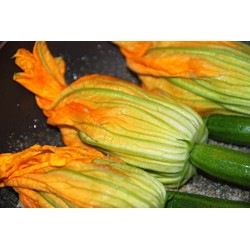
Semi zucchino da fiore
Si tratta di una varietà molto vigorosa e produttiva. La pianta produce fiori dal colore giallo/arancione. Si tratta di una varietà molto apprezzata per la preparazione di piatti gustosi. La semina avviene da febbraio ad agosto e solo dopo un mese la pianta produce numerosi fiori.
0,90 €In Stock -
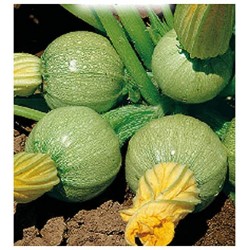
Semi zucchino tondo di Nizza
Questa varietà appartiene alla famiglia delle Cucurbitaceae. I semi di zucchine Nizza producono una varietà diversa dalle solite zucchine. Questa varietà produce frutti tondi di colore verde chiaro, con il fiore all'attaccatura del frutto. Per uno sviluppo ottimale la pianta richiede una ricorrente esposizione al sole. In cucina, solitamente, vengono...
0,90 €In Stock -
Semi zucchino romano Cesare
Appartiene alla Famiglia Cucurbitacee Semina. È una pianta adatta sia alla semina al coperto nel periodo di marzo che la semina all'aperto durante i mesi di aprile e maggio. Si tratta di una varietà ibrida che produce frutti di colore verde scuro con costolature naturali di colore verde più chiaro. Il fiore ha una attaccatura sul frutto che permette alla...
0,90 €In Stock -
Semi zucchino chiaro Kos
Le zucchine Kos sono una varietà molto produttiva e vigorosa. I semi possono essere piantati sia in campo aperto che in vaso. La semina nel campo aperto avviene nei mesi da Aprile a Luglio. I frutti prodotti dalla pianta hanno una forma allungata di circa 15 cm e sono di colore verde chiaro. Questa varietà è dolce e adatta alla preparazione di diversi...
0,90 €In Stock -
Semi di zucchina giallo Parador
Vigorosa e produttiva, questa varietà genera zucchine cilindriche e giallo forte. Si adatta bene alla coltivazione in serra o campo aperto ma non in vaso. La semina avviene in primavera e la raccolta in estate.
0,99 €In Stock -
Semi di zucchina chiara Topkapy
Questa varietà ibrida originaria del Nord America produce zucchine cilindriche, della lunghezza media di 14-16 cm e dal colore verde chiaro, a polpa bianca e croccante di sapore dolce e delicato. In estate è particolarmente prolifica.
0,99 €In Stock -
Semi zucchina scuro gufo
Vigorosa, resistente e produttiva, questa varietà genera zucchine lisce, cilindriche, dalla buccia verde scuro e molto brillante. Se correttamente accudita, i frutti possono raggiungere i 19 cm di lunghezza e conservarsi bene anche una volta raccolti.
0,99 €In Stock -
Semi zucchina chiaro alberello
Poco esigente e non particolarmente bisognosa di irrigazione, questa varietà dal portamento eretto tollera anche la coltivazione al coperto. Le sue zucchine verde chiaro e lunghe sono ricche di vitamine A e C e ipocaloriche.
0,99 €In Stock -
Semi di carciofo violetto
La varietà del carciofo violetto cresce vigorosa e produce circa 10 capolini, i quali, a loro volta, producono 3 carciofini. Dopo il raccolto è consigliabile non innaffiare la pianta in modo tale da permettere il riposo vegetativo. Le foglie si contraddistinguono per essere viola con sfumature verdi e prive di spine.
0,99 €In Stock -
Semi di carciofo sardo
La varietà del carciofo sardo è molto produttiva, i frutti, verdi con sfumature viola, sprigionano un sapore ricercato, amaro e al tempo stesso dolce e sono croccanti. Il terreno ideale per la coltivazione deve essere senza ristagni d'acqua ed è consigliabile non esporre mai la pianta al gelo.
0,99 €In Stock -
Semi di carciofo romanesco
La varietà del carciofo romanesco cresce vigorosa a temperature miti e in terrenti fertili e drenanti. Ha origini mediterranee e si contraddistingue per steli verdi da cui nascono grandi carciofi dal colore violaceo/verde.
0,99 €In Stock -
Semi di carciofo in vitro
La varietà del carciofo in vitro cresce vigorosa e ogni pianta produce circa dieci carciofi. Il frutto, che pesa circa 200 grammi, sprigiona un sapore delicato con sentori più amari e si contraddistingue per avere una forma ovale e un colore viola chiaro.
0,99 €In Stock -
Semi di pisello mangiatutto taccola
Si tratta in sostanza di una varietà di piselli (Pisum sativum), di cui si mangia anche il baccello, da qui il nome "Mangiatutto". Si tratta di semi di una varietà molto produttiva. Ha bisogno di un terreno molto ricco e di grande esposizione al sole. I baccelli e i piselli sono entrambi di colore verde e hanno un sapore dolce.
0,90 €In Stock -
Semi di pisello rampicante
Si tratta di una varierà di pisello rampicante. La pianta è molto produttiva, i baccelli di colore verde e di lunghezza media contengono circa 10/12 piselli molto dolci e piccoli. La semina si effettua in autunno e in primavera.
0,90 €In Stock -
Semi di pisello mezza frasca rondo
È varietà precoce del tipo mezza frasca. I baccelli sono di colore verde e di medie dimensioni. I piselli sono molto dolci e piccoli. Si tratta di una pianta semplice da coltivare che non necessita di grandi cure. È adatto sia alla coltivazione in serra che in campo.
0,90 €In Stock -
Semi fagiolo burro rampicante
Si tratta di una varietà rampicante molto produttiva. I baccelli sono di colore verde e mediamente lunghi, raggiungono una lunghezza media di 20 cm. I semi sono di colore nero. La pianta è adatta sia alla coltivazione in serra che in campo.
0,90 €In Stock -
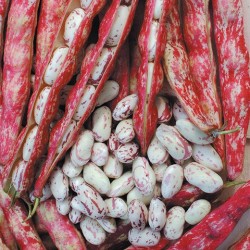
Ringo Climbing Borlotti Bean Seeds
[Phaseolus vulgaris] Seeds of a vigorous climbing borlotti bean with classic red-and-cream pods and high yield.
0,90 €In Stock -
Algarve Climbing Flat Bean Seeds
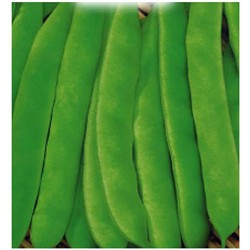
[Phaseolus vulgaris] Seeds of a vigorous climbing bean with wide, flat, firm green pods and a long production season.
0,90 €In Stock -
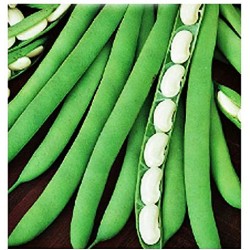
White Cannellini Bean Seeds
[Phaseolus vulgaris] Seeds of the classic Italian white cannellini bean, thin-skinned and creamy, great fresh or dried.
0,90 €In Stock -
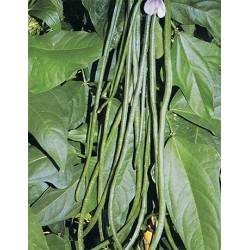
Yardlong Bean Seeds
[Vigna unguiculata subsp. sesquipedalis] Seeds of a vigorous climbing bean producing extra-long, thin pods, ideal for stir-fries.
0,90 €In Stock -
Nassau Dwarf Flat Bean Seeds
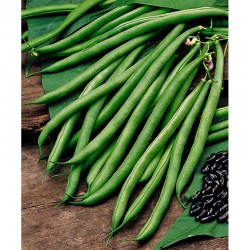
[Phaseolus vulgaris] Seeds of a dwarf bean with wide, flat, firm-fleshed green pods and steady summer-long yield.
0,90 €In Stock -
Dwarf Supremo Borlotti Bean Seeds
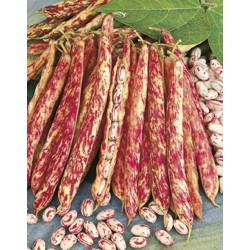
[Phaseolus vulgaris] Seeds of a dwarf borlotti bean with classic red-and-cream streaked pods, great fresh or dried.
0,90 €In Stock -
Cobra Climbing Yellow Bean Seeds
[Phaseolus vulgaris] Seeds of a vigorous climbing bean with long, tender, stringless butter-yellow pods and extended harvest.
0,90 €In Stock -
Wide-Pod Yellow Bean Seeds
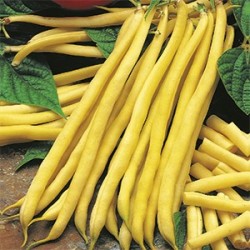
[Phaseolus vulgaris] Seeds of a vigorous bean variety with long, wide, butter-yellow pods and abundant yield.
0,90 €In Stock -
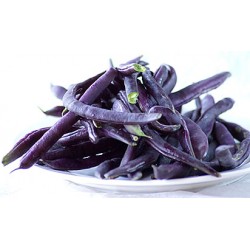
Purple Dwarf Bean Seeds
[Phaseolus vulgaris] Seeds of a dwarf bean with striking purple pods that turn green when cooked, tender and antioxidant-rich.
0,90 €In Stock -
Dwarf Yellow Wax Bean Seeds
[Phaseolus vulgaris] Seeds of a dwarf bean with tender, stringless butter-yellow pods, no support needed.
0,90 €In Stock -
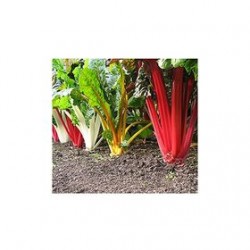
Rainbow Chard Seeds
[Beta vulgaris var. cicla] Seeds of a colorful chard mix with red, yellow, orange, pink and white stalks, decorative and edible.
0,99 €In Stock -
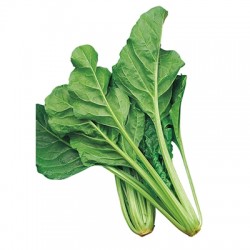
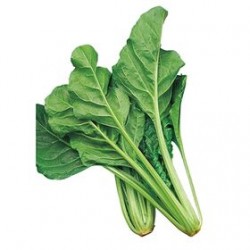
Leaf Chard Seeds
[Beta vulgaris var. cicla] Seeds of a leaf chard variety with tender, thin leaves, perfect for quick, repeated harvests.
0,99 €In Stock -
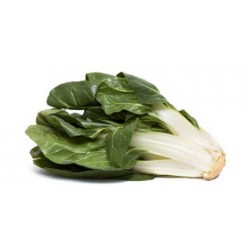
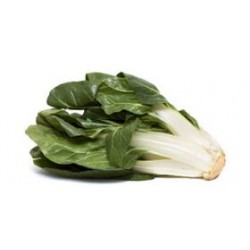
Swiss Chard Seeds
[Beta vulgaris var. cicla] Seeds of a chard variety with wide, fleshy white stalks and crisp green leaves, great for both stalks and leaves.
0,99 €In Stock -
Centurion Sweet Corn Seeds
Early, highly productive F1 sweet corn with long ears and small, intensely yellow, sweet kernels. Cycle of 85-90 days.
0,90 €In Stock -
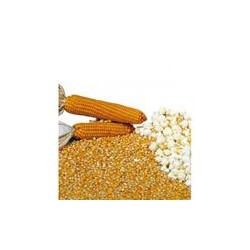
Popcorn Corn Seeds
Corn variety specifically selected for popcorn, with compact kernels that pop perfectly. Easy to grow, gluten-free.
0,90 €In Stock -
Sciabola Verde Broad Bean Seeds
Highly productive broad bean variety with pods 30-35 cm long, 8-9 tender sweet beans, excellent raw or cooked.
0,90 €In Stock -
Wild Strawberries Seeds
Spontaneous woodland strawberry, tiny and highly fragrant. Reliable seed cultivars like Alexandria and Baron Solemacher, ideal for pots.
0,90 €In Stock -
Wild Strawberries Seeds
Spontaneous woodland strawberry species with small, intensely fragrant fruits. Perennial, adapts well to pots and shaded spots.
0,90 €In Stock -
Everbearing Strawberries Seeds
Everbearing strawberry variety yielding 800-1,200g per plant across the season, ideal for pots, balconies and open ground.
0,90 €In Stock -
Everbearing Strawberries Seeds
Everbearing strawberry variety with staggered flowering and fruiting from spring to autumn, ideal for repeated fresh harvests.
0,90 €In Stock -
Everbearing Strawberry Seeds
Remontant strawberry variety with staggered flowering from April to October, providing fresh fruit for many months.
0,90 €In Stock -
White Pineberry Strawberry Seeds
Unique white-fleshed strawberry with red seeds and a flavor reminiscent of pineapple. Non-remontant perennial, cold-hardy.
3,55 €In Stock -
Topepo Red Pepper Seeds
Globe-shaped, flattened fruits, smooth skin turning from green to intense red. Thick flesh, typical of southern Italy and Calabria.
0,99 €In Stock -
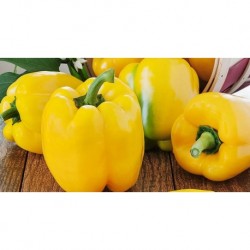
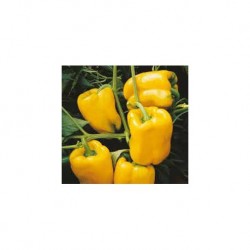
Topepo Yellow Pepper Seeds
Round, flattened fruits about 5-6x10 cm, glossy bright yellow. Very thick flesh, the ideal variety for stuffing and filling.
0,99 €In Stock -
Brace Long Red Pepper Seeds
Squared, elongated fruits with smooth, glossy red skin at maturity. Thick, meaty flesh, continuous staggered production over an extended harvest.
0,99 €In Stock -
Linares Red Pepper Seeds
Elongated square fruits about 380 g, 16-18 cm long, turning bright red. Thick, sweet flesh, naturally resistant to viruses and nematodes.
0,99 €In Stock -
Casanova Square Green Pepper Seeds
Large, square, meaty fruits typically harvested green but fully edible. One of the most voluminous and early sweet pepper varieties.
0,99 €In Stock -
Lido Square Red Pepper Seeds
Large square-fruited variety, turning from green to intense red. Thick, meaty and sweet flesh, ideal for stuffed peppers or gratins.
0,99 €In Stock -
Square Red Pepper Seeds
Large fruits about 11x17 cm, turning from green to intense red. Very thick, sweet mesocarp, ideal for gratins and baked dishes.
0,99 €In Stock -
Gold Queen Square Yellow Pepper Seeds
Medium-long fruits about 11x16 cm, bright uniform golden yellow. A rustic F1 hybrid, highly reliable and productive in open field cultivation.
0,99 €In Stock -
Square Yellow Pepper Seeds
Regular fruits about 15x8 cm with 3-4 lobes, turning from dark green to bright yellow. Thick, sweet flesh, very productive in greenhouse or open field.
0,99 €In Stock -
Zlutasek Square Citrine Pepper Seeds
Square-elongated fruits about 7x9 cm, turning from citrine yellow to orange-red. An Eastern European variety prized for its high digestibility.
0,99 €In Stock -
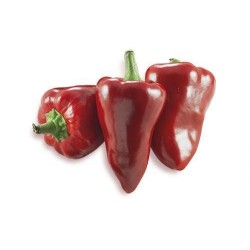
Pizzotello Beneventano Pepper Seeds
Elongated conical fruits about 13 cm long, turning dark intense red. A traditional sweet variety from Benevento with thick, meaty flesh.
0,99 €In Stock -
Round Cherry Chili Pepper Seeds
Round fruits 3-4 cm in diameter resembling a cherry, turning from dark green to glossy intense red. A beloved Italian variety, 40,000-50,000 SHU.
0,99 €In Stock -
Naso di Cane Chili Pepper Seeds
Elongated, slightly curved fruits 12-20 cm long, turning from green to vermilion red. A native Calabrian variety, medium-low heat, 2,000-5,000 SHU.
0,99 €In Stock -
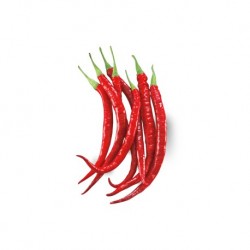
Long Cayenne Chili Pepper Seeds
Long, thin fruits 14-16 cm with smooth flesh, turning from green to vivid red. The classic variety behind Cayenne pepper, 30,000-50,000 SHU.
0,99 €In Stock -
Bunch Chili Pepper Seeds
Smooth, conical fruits 4-6 cm long, arranged in upward-facing bunches, turning from green to intense red. A compact, ornamental and edible variety, about 25,000 SHU.
0,99 €In Stock -
Ideal Yellow Pepper Seeds
Elongated, cylindrical fruits with bright yellow color at ripeness. A compact, vigorous hybrid plant with steady, uniform production, suited to greenhouse or open-field growing.
0,99 €In Stock -
Costadoro Yellow Pepper Seeds
Regular, block-shaped fruits with thick flesh and intense yellow color. An early-ripening elongated variety, ideal fresh, stuffed or grilled.
0,99 €In Stock -
Dolcetto Friggitello Pepper Seeds
Conical, elongated, deep green fruits with thin flesh, sweet flavor and a slight hint of heat. Ideal in salads or sautéed, from a productive and resistant plant.
0,99 €In Stock -
Tenerello Neapolitan Friggitello Pepper Seeds
Conical, elongated, deep green peppers about 12 cm long, with thin, tender flesh and high digestibility. A classic Neapolitan variety, ideal fried or pan-cooked.
0,99 €In Stock -
Rodeo Spicy Stuffing Pepper Seeds
Very small, cherry-shaped, intense red fruits with mild heat (about 10,000 SHU). Perfect for stuffing or preserving in oil, from a compact and productive plant.
0,99 €In Stock -
Capperino Stuffing Pepper Seeds
A small, round-fruited variety with thin, compact flesh ideal for preserving in oil or vinegar, or for small stuffed parcels. Compact plant, also suited to container growing.
0,99 €In Stock -
Red Diablo Bull's Horn Pepper Seeds
A professional variety with oval, elongated fruits and intense red pigmentation inside and out. High tolerance to viral diseases, suited to both greenhouse and open-field growing.
0,99 €In Stock -
Red Bull's Horn Pepper Seeds
A conical, elongated variety with smooth, vivid red skin and firm, boldly flavored flesh. Fruits reach 18-22 cm and ripen in about 70-80 days from transplanting.
0,99 €In Stock -
Yellow Ringo Bull's Horn Pepper Seeds
An early bull's horn variety with smooth, bright yellow skin and thick, sweet flesh. Fruits reach 18-20 cm and ripen in about 70 days from transplanting.
0,99 €In Stock -
Yellow Bull's Horn Pepper Seeds
Seeds of a classic sweet pepper variety, elongated and curved, turning bright yellow at full ripeness.
0,99 €In Stock -
Goat Horn Pepper Seeds
Seeds of an old sweet pepper variety from southern Italy, thin and curved like a goat's horn, prized for drying.
0,99 €In Stock -
Elongated Red Favilla Pepper Seeds
[Capsicum annuum] Seeds of Elongated Red Favilla pepper, a hardy medium-long variety with consistent yield and thick sweet flesh.
0,99 €In Stock -
Elongated Yellow Nestor Pepper Seeds
[Capsicum annuum] Seeds of Elongated Yellow Nestor pepper, a quadrilobate greenhouse-ready variety with thick, sweet flesh.
0,99 €In Stock -
Blonde Cigarette Pepper Seeds
[Capsicum annuum] Seeds of Blonde Cigarette pepper, a thin, productive Italian variety perfect for pickling and mixed salads.
0,99 €In Stock -
Red Cuneo Pepper Seeds
[Capsicum annuum] Seeds of Red Cuneo pepper, a hardy Italian variety with thick meaty flesh and bright intense red color.
0,99 €In Stock -
Yellow Cuneo Pepper Seeds
[Capsicum annuum] Seeds of Yellow Cuneo pepper, a prized Italian variety with exceptionally thick, sweet, digestible flesh.
0,99 €In Stock -
Crusco Pepper Seeds
[Capsicum annuum] Seeds of Crusco pepper, Basilicata's traditional dried sweet pepper, thin-fleshed and famous for its crispy fried garlands.
0,99 €In Stock -
Elongated Red Carpet Pepper Seeds
[Capsicum annuum] Seeds of Elongated Red Carpet pepper, a uniform greenhouse-ready variety with thick flesh, turning green to intense red.
0,99 €In Stock -
Elongated Red Alceo Pepper Seeds
[Capsicum annuum] Seeds of Elongated Red Alceo pepper, a large quadrilobate greenhouse variety turning from green to intense red.
0,99 €In Stock -
Elongated Yellow Mohai Pepper Seeds
[Capsicum annuum] Seeds of Elongated Yellow Mohai pepper, a productive disease-resistant variety with sweet, thick, meaty flesh.
0,99 €In Stock -
Red Ox Heart Cabbage Seeds
[Brassica oleracea] Seeds of Red Ox Heart cabbage, a colorful antioxidant-rich variety with compact heads, great raw or cooked.
0,90 €In Stock -
Ox Heart Cabbage Seeds
[Brassica oleracea] Seeds of Ox Heart cabbage, a fast-growing early variety with compact cone-shaped heads, crisp and ideal for spring harvests.
0,90 €In Stock -
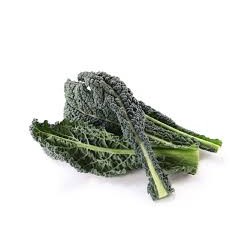
Tuscan Kale Seeds
[Brassica oleracea] Seeds of Tuscan kale, a hardy heirloom cabbage with dark bubbled leaves, ideal for soups, pesto and winter harvests.
0,90 €In Stock -
Savoy Cabbage Seeds
[Brassica oleracea] Seeds of Savoy cabbage, a hardy vegetable with wrinkled leaves, versatile in the kitchen and rich in vitamins.
0,90 €In Stock -
Primero Red Cabbage Seeds
[Brassica oleracea] Seeds of an early red cabbage variety with a compact, bright red head and good resistance to splitting.
0,90 €In Stock -
Delicate Round Cabbage Seeds
[Brassica oleracea] Seeds of a round cabbage variety with smooth leaves and a delicate flavor, versatile in the kitchen.
0,90 €In Stock -
Egyptian Cabbage Seeds
[Brassica oleracea] Seeds of an early hybrid cabbage variety with dark green leaves and a sweet taste, quick to harvest.
0,90 €In Stock -
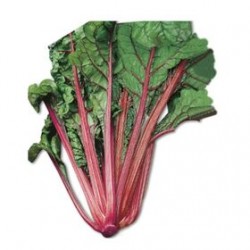
Red Ruby Chard Seeds
[Beta vulgaris var. cicla] Seeds of a chard variety with striking bright red stalks and green leaves, decorative and nutritious.
0,90 €In Stock -
Rainbow Salad Chard Seeds
[Beta vulgaris var. cicla] Seeds of an ornamental chard with bright yellow, magenta and orange stalks, ideal for colorful baby leaf salads.
0,90 €In Stock -
Leaf Beet Seeds
[Beta vulgaris var. cicla] Seeds of leaf beet, a rustic vegetable with thin ribs and a delicate spinach-like flavor, ideal for successive harvests.
0,90 €In Stock -
Swiss Chard Seeds
[Beta vulgaris var. cicla] Seeds of Swiss chard, valued for its fleshy pale stalk and bright green leaf, easy to grow in the home garden.
0,90 €In Stock -
Red Beetroot Seeds
[Beta vulgaris] Seeds of red beetroot, a hardy root vegetable with sweet, deep red flesh, ideal for the home garden.
0,90 €In Stock -
Bordeaux Cornet Escarole Seeds
[Cichorium endivia] Seeds of a traditional escarole variety with an elongated head and a crisp, cornet-shaped, self-blanching heart.
0,90 €In Stock -
Late Alaska Escarole Seeds
[Cichorium endivia] Seeds of a late escarole variety with dark green, bubbled and crunchy leaves and a compact round head.
0,90 €In Stock -
Giant Ortolani Escarole Seeds
[Cichorium endivia] Seeds of a popular Italian escarole variety with a large, compact head, mild sweet flavor and pale heart.
0,90 €In Stock -
Cultivated Rocket Seeds
[Eruca sativa] Cultivated rocket seeds, fast-growing and easy to grow, with rounded leaves and a peppery taste milder than wild rocket.
0,90 €In Stock -
Wild Rocket Seeds
[Diplotaxis tenuifolia] Wild rocket seeds, a hardy perennial with narrow, deeply lobed leaves and a bold, peppery taste, more intense than cultivated rocket.
0,90 €In Stock -
Late Treviso Radicchio Seeds
[Cichorium intybus] Late Treviso radicchio seeds, Veneto's most prized PGI chicory, water-forced into a sweet, crunchy wine-red heart.
0,90 €In Stock -
Early Treviso Radicchio Seeds
[Cichorium intybus] Early Treviso radicchio seeds, the field-matured phenotype of Treviso's famous PGI red radicchio with broad, deep red-violet leaves.
0,90 €In Stock -
Semi di Cicoria Variegata di Castelfranco
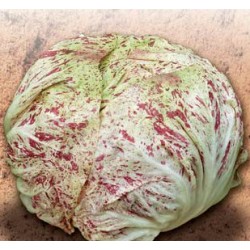
[Cichorium intybus] Variegated Castelfranco chicory seeds, the ornamental "winter rose" chicory with red-speckled pale leaves and a sweet, delicate taste.
0,90 €In Stock -
Mid-Early Sugarloaf Chicory Seeds
[Cichorium intybus var. foliosum] Mid-early sugarloaf chicory seeds, oval subcylindrical heads with a strong regrowth habit after cutting.
0,90 €In Stock -
Early Sugarloaf Chicory Seeds
[Cichorium intybus var. foliosum] Early sugarloaf chicory seeds, also known as Milan chicory, vigorous and tender with bright green cylindrical heads.
0,90 €In Stock -
Extra-Early Sugarloaf Chicory Seeds
[Cichorium intybus var. foliosum] Extra-early sugarloaf chicory seeds, ready in just 80 days for compact, tender-hearted heads ahead of the main season.
0,90 €In Stock -
Semi di Cicoria Variegata di Lusia
[Cichorium intybus] Variegated Lusia chicory seeds, a Veneto variety with attractive red-speckled leaves and a sweet, crunchy taste, almost free of bitterness.
0,90 €In Stock -
Semi di Cicorione
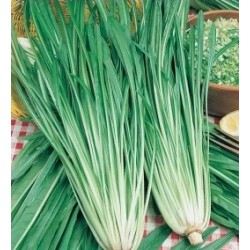
[Cichorium intybus] Cicorione (catalogna chicory) seeds, a highly productive Italian chicory variety with narrow green leaves and a pleasantly bitter taste.
0,90 €In Stock -
Semi di Cicoria Palla Rossa Tardiva
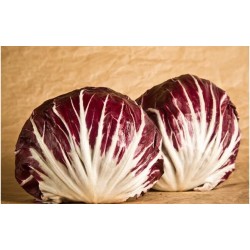
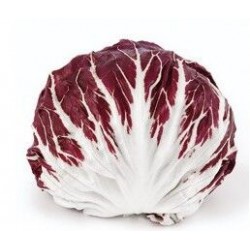
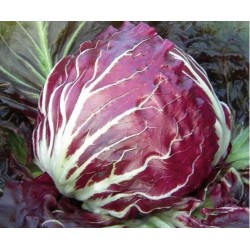
[Cichorium intybus] Late red ball chicory seeds, the most cold-hardy ball-type chicory, forming large dark red heads with bright white veins for winter harvests.
0,90 €In Stock -
Semi di Cicoria Palla Rossa Medio Tardiva
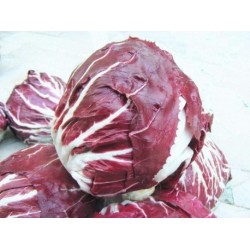
[Cichorium intybus] Mid-late red ball chicory seeds, forming large, globe-shaped heads with intense red-purple colouring, ideal for autumn and winter harvests.
0,90 €In Stock -
Semi di Cicoria Palla Rossa Medio Precoce
[Cichorium intybus] Mid-early red ball chicory seeds, forming compact, uniform red heads with good bolting resistance.
0,90 €In Stock -
Semi di Cicoria Palla Rossa Precoce
[Cichorium intybus] Early red ball chicory seeds, a fast-growing radicchio variety forming compact, bright red heads in just 60-80 days.
0,90 €In Stock -
Narrow-Leaf Puntarelle Chicory Seeds
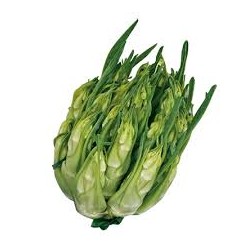
[Cichorium intybus] Narrow-leaf puntarelle chicory seeds, an upright, medium-early variety with long, dark-green leaves and large, meaty shoots.
0,90 €In Stock -
Galatina Puntarelle Chicory Seeds
[Cichorium intybus] Galatina puntarelle chicory seeds, a Salento variety known for its large, compact, flavorful inner shoots.
0,90 €In Stock -
Gaeta Puntarelle Chicory Seeds
[Cichorium intybus] Gaeta puntarelle chicory seeds, a Lazio ecotype prized for its long, tender, pleasantly bitter central shoots.
0,90 €In Stock -
Famosa Savoy Cabbage Seeds
[Brassica oleracea convar. capitata var. sabauda] Famosa savoy cabbage seeds, a hardy, disease-tolerant variety with tightly packed, crinkled dark-green heads.
0,90 €In Stock -
White Kohlrabi Seeds
[Brassica oleracea var. gongylodes] White kohlrabi seeds, a fast-growing crucifer prized for its tender, mild bulb halfway between cabbage and turnip.
0,90 €In Stock -
Cardoon Seeds
[Cynara cardunculus var. altilis] Cardoon seeds, an ancient relative of the artichoke grown for its tender, delicately bitter leaf ribs.
0,90 €In Stock -
Tuscan Black Kale Seeds
[Brassica oleracea var. acephala] Tuscan black kale seeds (Lacinato), the rustic dark-leaf variety at the heart of Tuscany's traditional ribollita.
0,90 €In Stock -
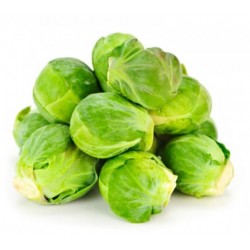
Brussels Sprouts Seeds
[Brassica oleracea var. gemmifera] Brussels sprouts seeds, producing dozens of tender little sprouts along a tall sturdy stem all winter long.
0,90 €In Stock -
Christmas Soup Kale Seeds
[Brassica oleracea var. acephala] Christmas soup kale seeds, a traditional Campania variety producing tender leafy shoots all winter long.
0,90 €In Stock -
Narrow-Leaf Neapolitan Soup Cabbage Seeds
A traditional Campania cabbage with long, narrow leaves and a sweet, delicate flavour, perfect raw or cooked.
0,90 €In Stock -
Wide-Leaf Neapolitan Soup Cabbage Seeds
A traditional Campania cabbage with long wide leaves and a sweet, delicate flavour, perfect for classic Neapolitan winter soups.
0,90 €In Stock -
Torzella Salernitana Cabbage Seeds
An ancient, hardy Campania cabbage variety with thick curly dark green leaves, rich in vitamin C, folic acid and potassium.
0,90 €In Stock -
Wind Bor Green Curly Kale Seeds
A strikingly ornamental curly kale with bright green frilled leaves, rich in vitamins and antioxidants, hardy through frost.
0,90 €In Stock -
Redbor Red Curly Kale Seeds
A strikingly ornamental curly kale with intense reddish-purple leaves, rich in anthocyanins and antioxidants.
0,90 €In Stock -
Santée Cabbage Seeds
A unique broccoli-asparagus flavoured cabbage with numerous purple florets and sturdy green stems, rich in vitamins and minerals.
0,90 €In Stock -
Sticcoli Cabbage Seeds
A hybrid cabbage producing uniform small dark green florets with a sweet, pleasant flavour, ideal for successive harvests.
0,90 €In Stock -
Yuki Chinese Cabbage Seeds
A versatile medium-late Chinese cabbage hybrid with compact heads, excellent storage ability, ideal for summer and autumn growing.
0,90 €In Stock -
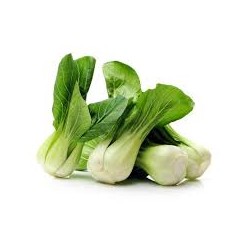
Pak Choi Cabbage Seeds
An Asian cabbage variety with an open shape, crunchy white-based leaves and a delicate, sweet flavour, ideal raw or cooked.
0,90 €In Stock -
Deaton Red Savoy Cabbage Seeds
A striking reddish-purple savoy cabbage with spherical heads and light green interior, rich in anthocyanins.
0,99 €In Stock -
Tourmaline Savoy Cabbage Seeds
A very late, highly productive savoy cabbage with round compact heads, resistant to splitting and frost, ideal for late-winter harvests.
0,99 €In Stock -
Tundra Savoy Cabbage Seeds
A hardy savoy cabbage variety with blistered leaves and dark green, round-to-oval heads, well suited to cold-season growing.
0,99 €In Stock -
Emerald Savoy Cabbage Seeds
An early savoy cabbage variety with large, compact dark green heads, resistant to splitting and overripening.
0,99 €In Stock -
Cornalyn Savoy Cabbage Seeds
A vigorous, late savoy cabbage variety with compact round heads and blistered green leaves, and a growing cycle of over three months.
0,99 €In Stock -
Conquista Savoy Cabbage Seeds
An early, vigorous savoy cabbage variety producing slightly flattened green heads up to 3 kg, wrapped in large protective leaves.
0,99 €In Stock -
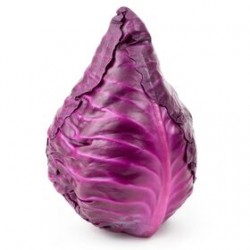
Kalibos Pointed Cabbage Seeds
A distinctive pointed red-violet cabbage variety with sweet, tender leaves, compact head of 1-1.3 kg and excellent post-harvest storage.
0,99 €In Stock -
Redjewel Red Cabbage Seeds
An early red cabbage variety with bright colour, excellent tolerance to splitting and a compact, roundish head of about 1.5 kg.
0,99 €In Stock -
Castello Cabbage Seeds
An established, versatile round white cabbage with excellent market presentation and good resistance to splitting in the field.
0,99 €In Stock -
Nozomi Cabbage Seeds
A round-headed cabbage variety with bright green colour, prized for its resistance to splitting and good productivity in the field.
0,99 €In Stock -
Orange Cauliflower Seeds
An original variety born from a natural mutation, with a bright orange head rich in beta-carotene that keeps its colour after cooking. Early cycle, 80-85 days.
0,99 €In Stock -
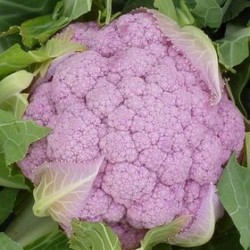
Pink Parmac Cauliflower Seeds
A distinctive F1 variety with an intense pink, compact, fine-grained head that turns purple when cooked. Sweet, delicate flavour, 85-90 day cycle from transplant.
0,99 €In Stock -
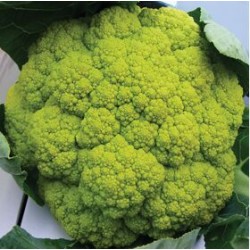
Green Magnifico Cauliflower Seeds
A late-cycle F1 variety, requiring 130-140 days from transplant, with a compact green head well protected by foliage. Typical of the Macerata growing area.
0,99 €In Stock -
Green Alverda Cauliflower Seeds
One of the best known green-headed cauliflower varieties, with a compact green head coloured by chlorophyll exposed to light. Mid-season cycle, autumn harvest.
0,99 €In Stock -
Green Panther Cauliflower Seeds
A medium-cycle, highly productive F1 variety with a light green, large, compact head, well protected by leaves and resistant to common diseases.
0,99 €In Stock -
Purple Sicilian Cauliflower Seeds
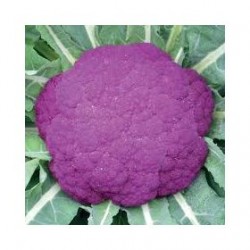
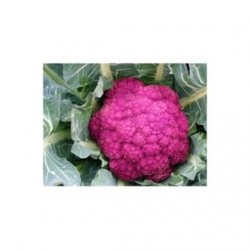
A typical Sicilian variety with an intense purple head rich in anthocyanins, up to 1.5 kg, harvested 100-110 days from transplant. Hardy and vigorous plant.
0,99 €In Stock -
White Jesi Cauliflower Seeds
A traditional Italian variety grown since the late 1800s in the Marche region, with a globe-shaped white head enclosed by broad ash-grey leaves. Early and hardy.
0,99 €In Stock -
White Utopia Cauliflower Seeds
A late-cycle hybrid variety with upright habit and excellent leaf coverage, producing a round, pure white head. Suited to both fresh market and processing, 190-200 day cycle.
0,99 €In Stock -
Triomphant Cauliflower Seeds
A late, February-harvest variety with a compact, pure white head around 1.6 kg and excellent frost resistance. Transplanted July-August for a 160-180 day cycle.
0,99 €In Stock -
White Vidoke Cauliflower Seeds
A top-quality, very late-cycle variety, transplanted August-September for harvest through to April. Few large leaves support a pure white, large round head.
0,99 €In Stock -
White Taroke Cauliflower Seeds
A slow, late-cycle variety resistant even to harsh climates, with a pure white head wrapped in light green foliage. Excellent holding capacity in the field.
0,99 €In Stock -
White Fiocco Cauliflower Seeds
A late F1 hybrid variety for late-winter harvests, with a fine-grained white head averaging 1.2-1.5 kg. Vigorous plant with excellent leaf coverage protecting the head.
0,99 €In Stock -
White Incline Cauliflower Seeds
A well-established November-harvest F1 hybrid, with a pure white, fine-grained head that can exceed 1.5 kg. Vigorous, sturdy plant, harvested from late autumn to early winter.
0,99 €In Stock -
Memphis White Cauliflower
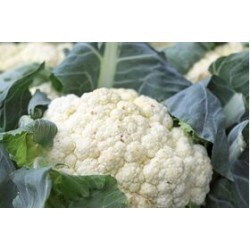
[Brassica oleracea var. botrytis] Memphis white cauliflower seeds, valued for its uniform, compact milk-white curd suited to both fresh market and processing.
0,99 €In Stock -
Barcellona White Cauliflower
[Brassica oleracea var. botrytis] Barcellona white cauliflower seeds, a hardy Mediterranean variety well suited to warmer, drier growing conditions.
0,99 €In Stock -
Candid White Cauliflower
[Brassica oleracea var. botrytis] Candid white cauliflower seeds, prized for its pure white, tightly packed curd and reliable, uniform yield.
0,99 €In Stock -
Olive Leaf Turnip Tops
[Brassica rapa subsp. sylvestris] Olive leaf turnip tops seeds, named after its smooth, olive-like leaves and prized for its tender, slightly bitter tops.
0,99 €In Stock -
Maceratese Turnip Tops
[Brassica rapa subsp. sylvestris] Maceratese turnip tops seeds, a prized Marche variety grown for its tender heart leaves and mild, aromatic flavour.
0,99 €In Stock -
Puglian Turnip Tops
[Brassica rapa subsp. sylvestris] Puglian turnip tops seeds, representing the hardy local varieties grown across Puglia and used for the region's famous orecchiette con le cime di rapa.
0,99 €In Stock -
Leccese Turnip Tops
[Brassica rapa subsp. sylvestris] Leccese turnip tops seeds, a traditional Puglia ecotype with a broad, leafy rosette and abundant side shoots after cutting.
0,99 €In Stock -
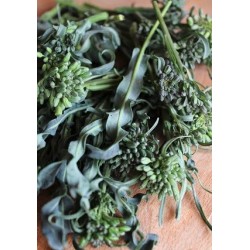
Purple Sprouting Broccoli Seeds
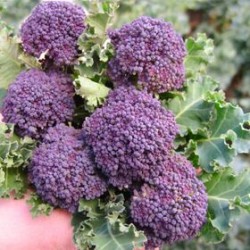
A hardy, highly productive variety named for its intense purple inflorescence. Numerous stems of varying sizes, sweet and tender, best harvested in deep winter.
0,99 €In Stock -
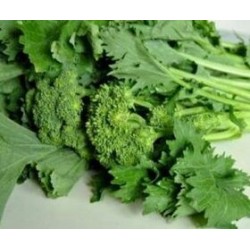
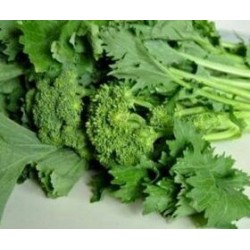
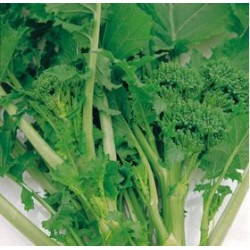
Sprouting Broccoli Leaf Turnip Seeds
A highly productive variety, also known as rapino, with a small head surrounded by numerous green leaves. Harvested about 75-90 days after sowing.
0,99 €In Stock -
Olio Rapino Broccoli Seeds
A precocious, vigorous variety also known as headless turnip broccoli, grown for its leaves rather than heads. Highly productive with continuous side-shoot harvest for months.
0,99 €In Stock -
San Giuseppe Roman Broccoli Seeds (Lazio)
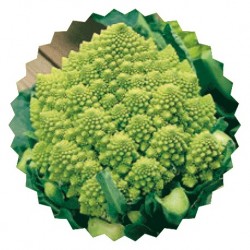
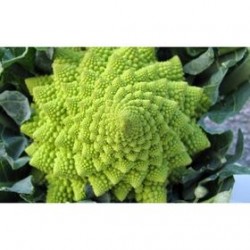
A late variety typical of Lazio, harvested about 140-145 days after transplanting, coinciding with the feast of San Giuseppe. Characteristic pyramidal head made of small spiral rosettes.
0,99 €In Stock -
Aprilatica Turnip Tops Seeds
One of the latest turnip top varieties, with a medium-small, very compact broccoletto-type inflorescence. Especially widespread in Northern Italy.
0,99 €In Stock -
Marzatica Turnip Tops Seeds
A variety named for its harvest period, generally in March, with a tall inflorescence harvested in characteristic tied bunches. A key ingredient in Southern Italian cuisine.
0,99 €In Stock -
Centoventina Turnip Tops Seeds
A late variety, one of the most productive, requiring about 120 days from sowing to harvest. Large leaves and rounded heads, especially suited to Southern Italy.
0,99 €In Stock -
Novantina Turnip Tops Seeds
A medium-late variety harvested about 90 days after sowing, mainly eaten in winter. A traditional ingredient in Apulian cuisine, perfect for orecchiette.
0,99 €In Stock -
Sessantina Turnip Tops Seeds
The classic semi-late variety, ready in about 60 days from sowing. Voluminous, with a pungent yet pleasant flavour — a traditional ingredient in Apulian cuisine.
0,99 €In Stock -
Red Calabrese Broccoli Seeds
An extremely productive, early variety with distinctive purplish-red, round heads and a sweet flavour. Rich in anthocyanins, with dark green leaves surrounding the head.
0,99 €In Stock -
Roman Broccoli San Giuseppe Colosseo Seeds
A high-quality, low-vigour winter variety, planted from September and harvested in spring. Dark green, pyramid-shaped heads protected by large leaves.
0,99 €In Stock -
Calabrese Sprouting Broccoli Seeds
An early variety that regrows after the main head is cut, producing numerous tender side shoots. Ideal for staggered sowings and harvest from December to February.
0,99 €In Stock -
Roman Broccoli San Giuseppe Pomezio Seeds
A vigorous, late-cycle variety that tolerates cold and frost well, harvested in the depths of winter. Pyramid-shaped heads with a bright green colour.
0,99 €In Stock -
Roman Broccoli Christmas Veronica Seeds
A medium-cycle hybrid, similar to October Roman broccoli but with longer maturation, harvested around December. Bright green, pyramid-shaped heads that tolerate discolouration well.
0,99 €In Stock -
Roman Broccoli Gitano Seeds
The Roman broccoli Gitano plant is productive and produces large heads, able to weigh up to 1 kg. Unlike other varieties, this one does not give off a bad smell when cooked.
0,99 €In Stock -
Pontino Fennel Seeds
Seeds of a classic late variety from the Lazio tradition, with a round, white, tightly closed bulb and thick low-fiber sheaths.
0,90 €In Stock -
Tarquinio Fennel Seeds
Seeds of a late winter variety with a globe-shaped, very white bulb, crisp low-fiber sheaths, highly resistant to cold and bolting.
0,90 €In Stock -
Montebianco Fennel Seeds
Seeds of a variety with a very white, round bulb up to 500-600 g, thick fleshy sheaths, very crisp and low in fiber.
0,90 €In Stock -
Orbit Mid-Early Fennel Seeds
Seeds of a mid-early hybrid variety with a very regular, compact, bright white bulb and uniform plant development.
0,90 €In Stock -
Orion Mid-Early Fennel Seeds
Seeds of a mid-early hybrid variety with a round, compact white bulb and good flexibility in sowing times.
0,90 €In Stock -
Mars Early Fennel Seeds
Seeds of an early hybrid variety producing compact, well-formed white bulbs in a short growing cycle.
0,90 €In Stock -
Rondo Early Fennel Seeds
Seeds of an early hybrid variety, very slow to bolt. Bright white, round, compact bulb, ideal for summer harvest.
0,90 €In Stock -
Carmo Early Fennel Seeds
Seeds of a hybrid variety with a solid, round, smooth white bulb, sweet and delicate flavor. Early and very slow to bolt.
0,99 €In Stock -
Seedless Watermelon Seeds
Seeds of a triploid variety with sweet, crisp flesh free of the typical hard seeds. Needs a diploid pollinator variety nearby to set fruit.
0,90 €In Stock -
Round Black Watermelon Seeds
Seeds of a variety typical of southern Italy, with intensely red, very sweet flesh and a dark green rind that turns almost black.
0,90 €In Stock -
Fascino F1 Dark Watermelon
Seeds of a medium-sized variety. Its distinctive dark rind encloses bright red, juicy and sugary flesh. A peculiarity of this watermelon is its very few seeds inside.
0,99 €In Stock -
Mini Watermelon
A rather early variety, giving fruit similar to melons weighing 3-4 kg, with dark green rind striped in lighter green and juicy red flesh, almost seedless.
0,99 €In Stock -
Elongated Watermelon
A late-cycle hybrid plant, high-yielding with dense foliage, producing very regular oblong fruit; the bright green rind is thick and sturdy, the flesh sweet.
0,99 €In Stock -
Essenza Elongated Watermelon
A hybrid plant with a medium-early cycle and high yield; fruit quality is immediately visible, with the typical striped green rind and juicy, sweet red flesh.
0,99 €In Stock -
Crimson Sweet Watermelon
A vigorous, high-yielding plant producing fruits up to 15 kg, with a thick light green rind streaked in dark green and firm, fine-textured red flesh.
0,99 €In Stock -
Yellow Crown Watermelon
A high-yielding, continuously producing plant with fruits reaching up to 6 kg; the rind shows glossy, bright striping while the flesh inside is yellow and sweet-tasting.
0,99 € -
Roman Broccoli Cornelio Seeds
Roman broccoli Cornelio, a plant with an unmistakable pyramidal shape and seeds of very high quality, boasts bright green pigmentation and large leaves at the base. This variety is very early and adapts to any soil and low temperatures.
0,99 €In Stock -
Roman Broccoli White Gold Seeds
Roman broccoli White Gold is a hybrid, medium-early plant, capable of producing a large amount of florets. Once mature, the broccoli takes on the classic pyramidal shape and a bright green colour that fades over time.
0,99 €In Stock -
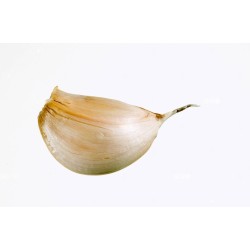
Valdichiana Elephant Garlic Clove
Clove or bulbil of Valdichiana elephant garlic, ready to be planted
0,90 €In Stock -
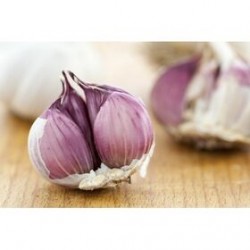
Red Garlic Seeds
A garlic variety native to the lands of Sulmona, with unique characteristics. Red garlic boasts an almost white to pinkish outer skin, enclosing cloves of a fully red colour arranged in a circular pattern. Compared to traditional garlic, this type matures about 20 days later.
0,99 €In Stock -
White Garlic Seeds
Traditional food found in every culinary culture, white garlic has a strongly distinctive flavour and boasts numerous qualities that translate into benefits for those who consume it. It has significant antioxidant, antibiotic and antiparasitic properties. Each bulb, white in colour, holds a number of cloves ranging from 6 to 14, depending on its size.
0,99 €In Stock -
Basil Seeds
[Ocimum basilicum] Basil seeds, the queen of Mediterranean aromatic herbs: fragrant leaves perfect for pesto, sauces and salads, easy to grow in pots or open ground.
0,99 €In Stock -
100 Melon Recipes (Ebook)
[Ebook] 100 Melon Recipes: from the iconic prosciutto and melon to summer salads, semifreddo and spoon desserts, the great classic of Italian summer.
0,99 €In Stock -
100 Eggplant Recipes (Ebook)
[Ebook] 100 Eggplant Recipes: from Catania's pasta alla Norma to parmigiana, disputed between Campania, Sicily and Calabria, the great Mediterranean classic.
0,99 €In Stock -
100 Corn Recipes (Ebook)
[Ebook] 100 Corn Recipes: from Valtellina's polenta taragna to Piedmont's polenta concia, a journey through every Italian regional tradition around cornmeal.
0,99 €In Stock -
100 Lettuce Recipes (Ebook)
[Ebook] 100 Lettuce Recipes: from butter-braised lettuce to creamy veloute, from vignarola pasta to creative salads, going far beyond the simple side dish.
0,99 €In Stock -
100 Fava Bean Recipes (Ebook)
[Ebook] 100 Fava Bean Recipes: from Roman vignarola to Sicilian macco, from May Day fava beans with pecorino to Lucca's garmugia, spring on your table.
0,99 €In Stock -
100 Bean Recipes (Ebook)
[Ebook] 100 Bean Recipes: from Neapolitan pasta e fagioli to Roman beans with pork rind, every regional variation of Italy's great comfort food legume.
0,99 €In Stock -
100 Strawberry Recipes (Ebook)
[Ebook] 100 Strawberry Recipes: from fresh spring fruit salad to indulgent cakes, no-bake cheesecakes and spoon desserts, celebrating the fruit that defines spring.
0,99 €In Stock -
100 Onion Recipes (Ebook)
[Ebook] 100 Onion Recipes: from Florence's Renaissance carabaccia soup to Tuscan farmhouse cipollata, every regional Italian tradition around this humble ingredient.
0,99 €In Stock -
100 Cabbage Recipes (Ebook)
[Ebook] 100 Cabbage Recipes: from Tuscan ribollita to Lombard pizzoccheri, from cassoeula to Piedmont-style soup, every Italian winter tradition in one book.
0,99 €In Stock -
100 Swiss Chard Recipes (Ebook)
[Ebook] 100 Swiss Chard Recipes: from Ligurian torta pasqualina to Lombard malfatti dumplings, every regional Italian recipe celebrating chard and beet greens.
0,99 €In Stock -
100 Basil Recipes (Ebook)
[Ebook] 100 Basil Recipes: from mortar-pounded Genovese pesto to surprising desserts, every recipe celebrating the aromatic herb that defines Italian summer.
0,99 €In Stock -
100 Beetroot Recipes (Ebook)
[Ebook] 100 Beetroot Recipes: from creamy magenta risotto to colorful gnocchi and sweet-and-sour salads, every way to bring beetroot into your kitchen.
0,99 €In Stock -
100 Asparagus Recipes (Ebook)
[Ebook] 100 Asparagus Recipes: from the famous Venetian risotto to spring veloutes, frittatas and gourmet dishes celebrating this seasonal star.
0,99 €In Stock -
100 Watermelon Recipes (Ebook)
[Ebook] 100 Watermelon Recipes: from summer granitas to savory salads with feta and mint, every sweet and creative way to use watermelon beyond the classic slice.
0,99 €In Stock -
100 Garlic Recipes (Ebook)
[Ebook] 100 Garlic Recipes: a journey through Italian regional cooking, from Piedmont's bagna caoda to the classic spaghetti aglio, olio e peperoncino.
0,99 €In Stock -
100 Cucumber Recipes (Ebook)
[Ebook] "100 Cucumber Recipes" gathers fresh, light ideas for summer, from salads and cold soups to pickles and refreshing dishes perfect for the hottest days.
0,99 €In Stock -
100 Pumpkin Recipes (Ebook)
[Ebook] "100 Pumpkin Recipes" is a collection dedicated to the queen of autumn, from classic risottos and Mantuan-style tortelli to side dishes, savoury pies and indulgent desserts.
0,99 €In Stock -
100 Ricette con il Carciofo
[Ebook] "100 Ricette con il Carciofo" celebra uno degli ortaggi simbolo della cucina italiana, dai grandi classici della tradizione romana alle interpretazioni regionali piu curiose, dagli antipasti ai primi piatti.
0,99 €In Stock -
100 Carrot Recipes (Ebook)
[Ebook] "100 Carrot Recipes" is a collection of dishes, desserts and side dishes dedicated to one of the most loved and versatile vegetables in Italian and international cuisine, from starters to the most indulgent desserts.
0,99 €In Stock -
100 Spicy Recipes (Ebook)
[Ebook] "100 Spicy Recipes" is a journey through the flavours and cultures that made chili peppers a cornerstone of world cuisine, blending spices, traditions and new culinary discoveries.
0,99 €In Stock -
Cup and Saucer Vine (Cobaea scandens) Seeds
[Cobaea scandens] Cup and Saucer Vine seeds, a fast-growing Mexican climber with large bell-shaped flowers that shift from creamy green to deep purple.
0,99 €In Stock -
Castor Bean Plant (Ricinus communis) Seeds
[Ricinus communis] Ornamental Castor Bean seeds, a fast-growing exotic plant with large red-bronze palmate leaves, perfect as a dramatic focal point in the garden.
0,99 €In Stock -
Cigar Plant (Cuphea ignea) Seeds
[Cuphea ignea] Cigar Plant seeds, a Mexican shrub with distinctive tubular orange-red flowers tipped in white, blooming continuously from spring to autumn.
0,99 €In Stock -
Blue Lace Flower (Trachymene coerulea) Seeds
[Trachymene coerulea] Blue Lace Flower seeds, an Australian annual with delicate lavender-blue umbels made up of tiny star-shaped florets resembling fine lace.
0,99 €In Stock -
Chinese Lantern (Physalis alkekengi) Seeds
[Physalis alkekengi] Chinese Lantern seeds, a perennial plant with striking orange lantern-shaped husks, perfect for decorative displays and dried flower arrangements.
0,99 €In Stock -
Larkspur (Consolida ajacis) Seeds
[Consolida ajacis] Larkspur seeds, an annual plant with tall spikes of blue, pink or white flowers, perfect for vertical borders and cut flower arrangements.
0,99 €In Stock -
Cardoon (Cynara cardunculus) Seeds
[Cynara cardunculus] Ornamental Cardoon seeds, a striking perennial with dramatic silver-grey foliage and large purple-blue thistle-like flowers, grown as a true architectural garden feature.
0,99 €In Stock -
Miss Willmott's Ghost (Eryngium giganteum)...
[Eryngium giganteum] Sea Holly "Miss Willmott's Ghost" seeds, biennial with spiky metallic silver flower heads, an architectural plant with outstanding vase life.
0,99 €In Stock -
Strawflower (Xerochrysum bracteatum) Seeds
[Xerochrysum bracteatum] Strawflower (Golden Everlasting) seeds, annual with daisy-like flower heads and papery bracts in vivid colors, an outstanding dried flower that lasts for years.
0,99 €In Stock -
White Lace Flower (Orlaya grandiflora) Seeds
[Orlaya grandiflora] White Lace Flower seeds, annual with delicate pure white lace-like umbels, featuring larger outer florets in a lace-cap style.
0,99 €In Stock -
Bupleurum (Hare's Ear) Seeds
[Bupleurum griffithii] Bupleurum (Hare's Ear) seeds, annual with blue-green foliage and star-shaped lime-yellow umbels, a prized filler for fresh and dried bouquets.
0,99 €In Stock -
Bishop's Flower (Ammi majus) Seeds
[Ammi majus] Bishop's Flower (Laceflower) seeds, annual with airy white lace-like umbels, a top choice filler flower for bouquets and wedding arrangements.
0,99 €In Stock